On January 13, 2012, thousands of passengers boarded the Costa Concordia expecting a relaxing Mediterranean vacation. The enormous cruise ship carried restaurants, theaters, swimming pools, casinos and other amenities across 13 decks. At about 951 feet long and weighing roughly 114,000 tons, it was essentially a floating resort capable of carrying more than 4,000 people.
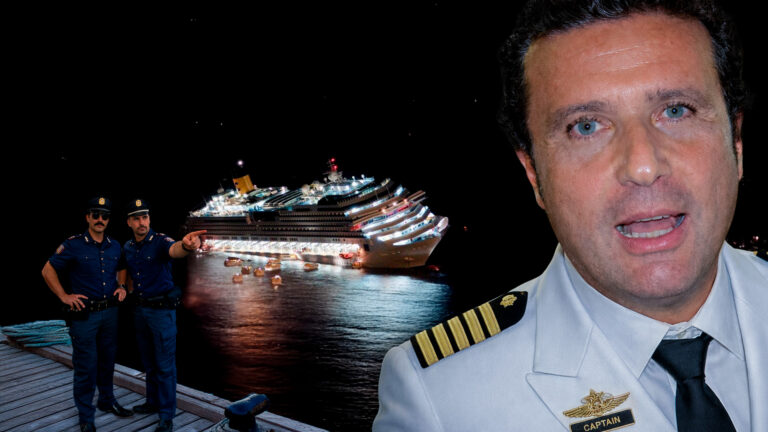
The ship departed Civitavecchia at 7:18 P.M., beginning what was supposed to be a peaceful seven night cruise around the Mediterranean. Conditions were calm and the evening appeared completely ordinary. On the bridge was Captain Francesco Schettino, who had a reputation for bringing the ship unusually close to coastlines during dramatic sail by maneuvers.
What happened next would turn one of those maneuvers into one of the most infamous cruise disasters in modern history. Instead of maintaining a safe route, the Concordia approached Giglio Island far too closely. Passengers had no idea that the ship was heading toward a danger that would soon become impossible to escape.
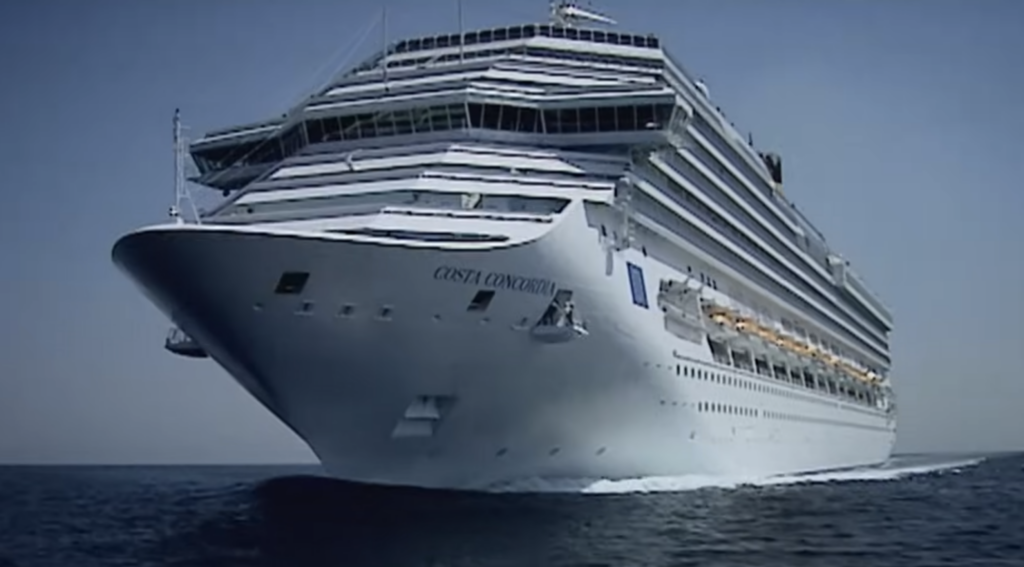
At roughly 15 to 16 knots, the Concordia traveled near the island as darkness covered the shoreline. The ship was outside its planned route, and decisions on the bridge were being made while the distance to the rocks rapidly disappeared.
At approximately 9:45 P.M., the vessel slammed into submerged rocks near Le Scole. The impact ripped an enormous opening, estimated at about 174 feet, through the hull. Seawater rushed into critical areas, damaging machinery and electrical systems while the ship began losing stability.
Passengers initially had little understanding of what had happened. Lights failed, objects moved across rooms and the deck began tilting. Some were told that the problem involved a generator. No immediate distress call was made, allowing precious time to disappear as the emergency became increasingly serious.
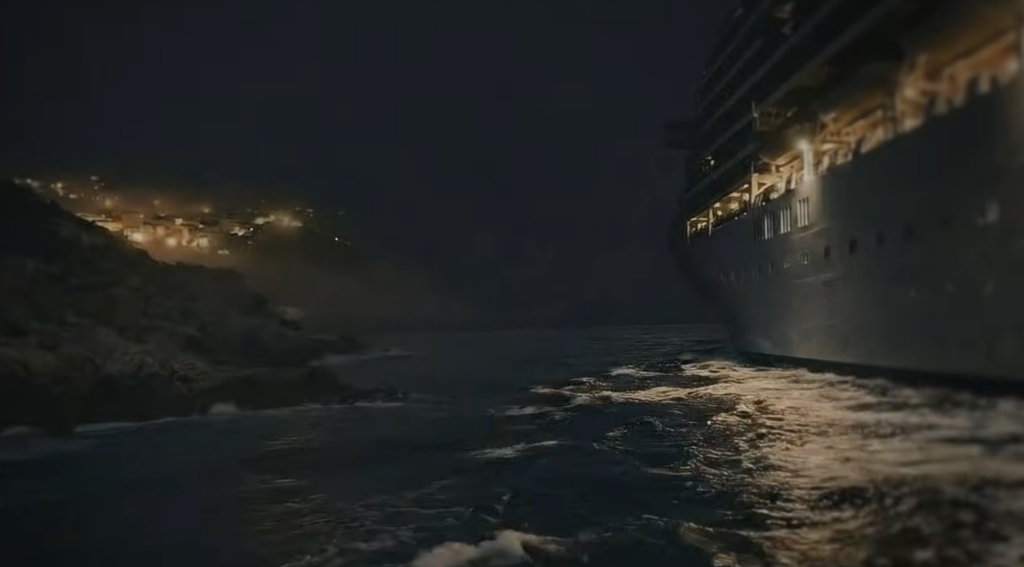
The Coast Guard was eventually contacted, but the seriousness of the situation was still not communicated clearly. Nearly an hour passed before passengers received the command to abandon the ship. By then, the Concordia had become dangerously unstable.
Evacuation quickly descended into confusion. The increasing angle of the ship made corridors difficult to cross, while some lifeboats could not be launched properly because of the severe tilt. Passengers and crew struggled to understand where to go, and many had to find their way through increasingly difficult conditions.
Near 11:00 P.M., the vessel came to rest near Giglio Island. Rescuers and local residents rushed to help, but the situation aboard remained chaotic. As the ship leaned farther over, passengers climbed across sloping corridors, formed human chains and entered the freezing water to reach safety.
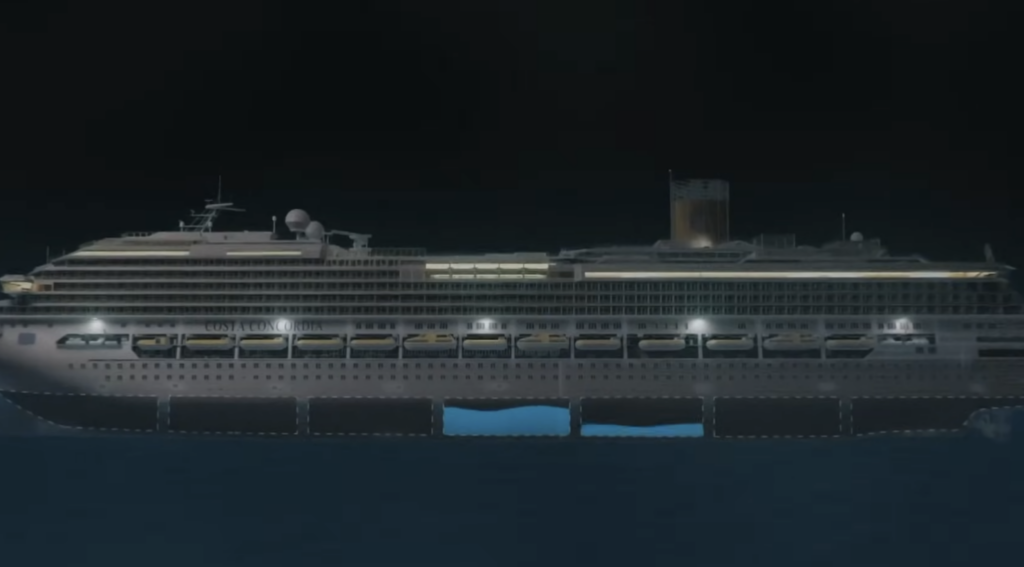
Many passengers survived because crew members, island residents and emergency teams continued working through the night. Rescue efforts helped thousands escape, but 32 people ultimately died in the disaster. The scale of the tragedy immediately raised questions about how the evacuation had been handled.
Investigators later examined the decisions made before and after the collision, including communication failures and the response to the rapidly developing emergency. Captain Schettino was also heavily criticized for leaving the vessel while passengers remained aboard.
He was eventually convicted for manslaughter, causing the shipwreck and abandoning the vessel. In 2015, he received a 16 year prison sentence, which was later upheld by Italy’s highest court.
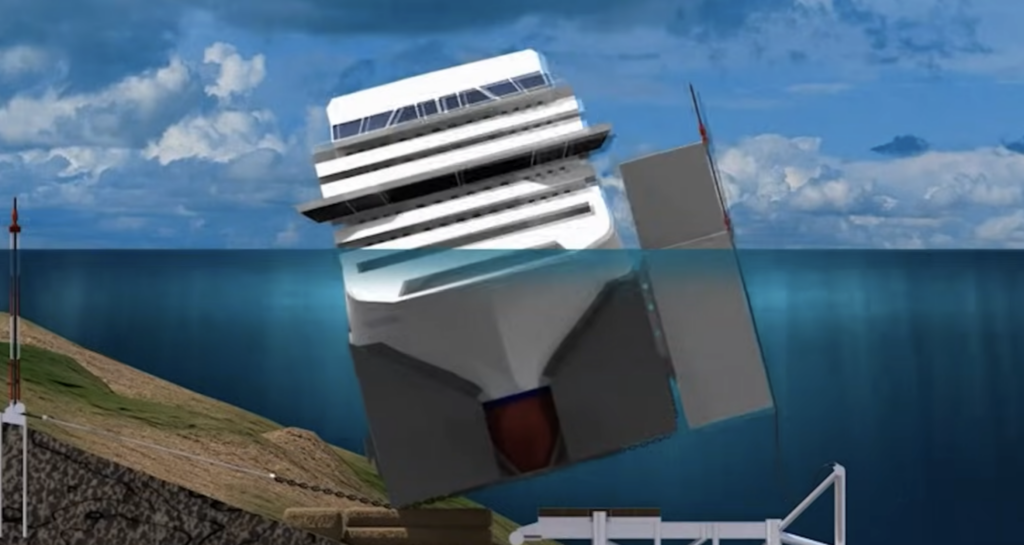
The wreck remained a major salvage challenge. Engineers eventually managed to raise and remove the massive vessel in one of the most complicated maritime recovery projects ever attempted. The Concordia was ultimately taken apart for scrap, while the overall financial damage approached 2 billion dollars.
The disaster demonstrated how quickly a routine voyage can become a life threatening emergency when navigation decisions, communication and emergency procedures fail at the same time.
The Costa Concordia tragedy remains a powerful reminder that on a ship carrying thousands of people, even a seemingly minor decision can have consequences that reach far beyond the bridge.