For thousands of years, ancient cities have disappeared beneath forests, deserts, and modern landscapes.
Entire civilizations have been forgotten, leaving behind only small clues about the people who once lived there.
But now, historians and archaeologists are searching for these lost worlds from above.
A new field called space archaeology is changing how researchers discover the past. Instead of relying only on years of digging and exploring, scientists are using satellites, artificial intelligence, and advanced imaging technology to find hidden sites across the planet.
And they are discovering places that were once thought to be impossible to find.
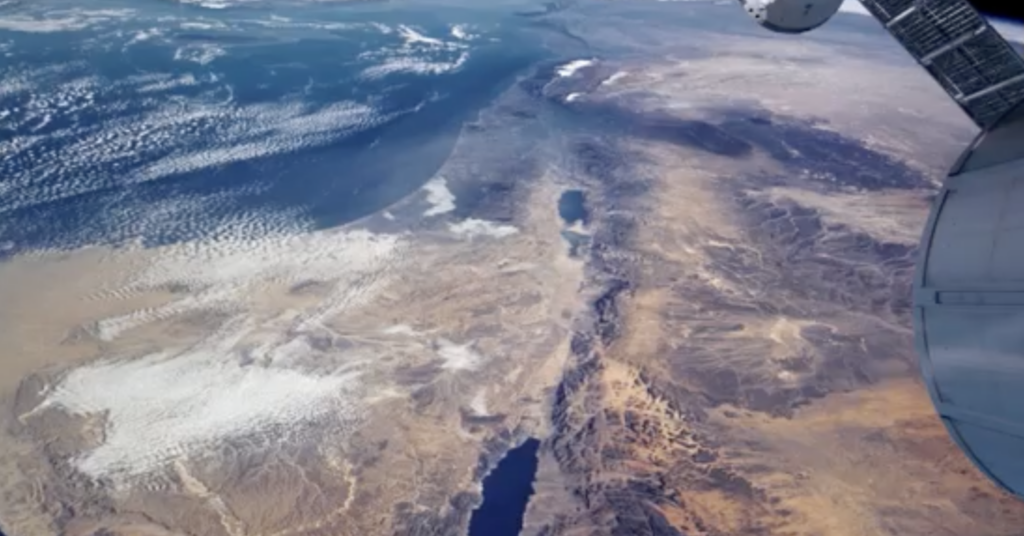
Space archaeology does not involve searching for alien ruins or exploring distant planets. Instead, it uses technology in orbit around Earth to uncover secrets buried beneath the surface.
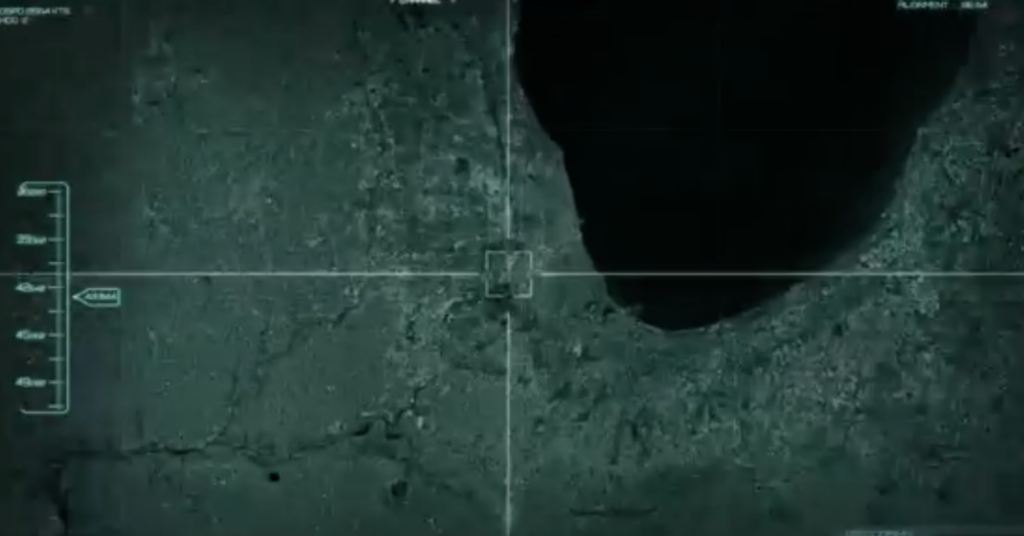
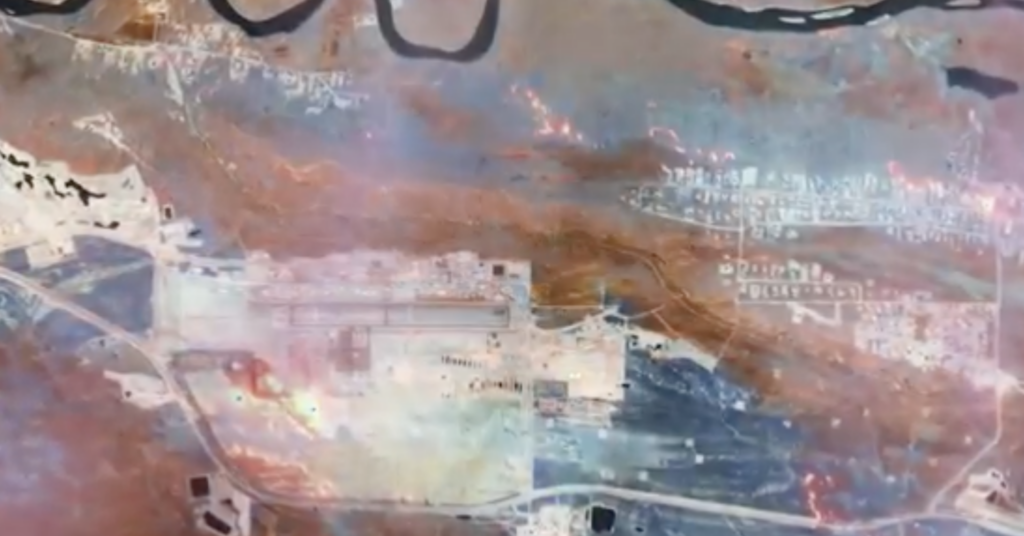
Satellite images can reveal unusual patterns in the ground, changes in vegetation, and hidden structures that are invisible from the ground.
What once took archaeologists decades of searching can now be narrowed down in months.
One of the pioneers of this field is archaeologist Dr. Sarah Parcak, who has helped transform the way researchers look for ancient sites.
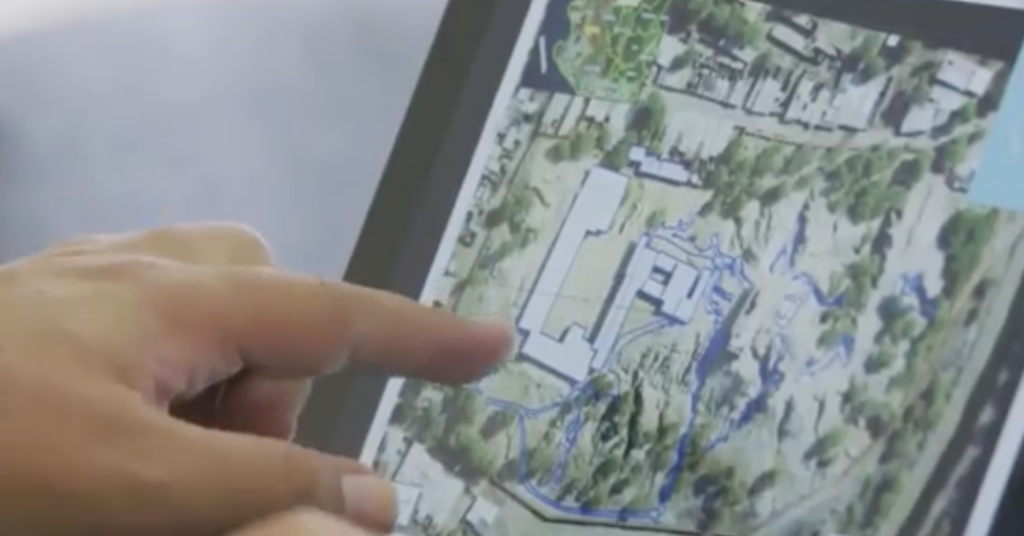
Through her platform, GlobalXplorer°, people around the world can become virtual archaeologists by analyzing satellite images and helping identify possible locations of historical importance.
Thousands of volunteers have worked together to examine more than 100,000 square kilometers of land, searching for signs of forgotten civilizations.
Their efforts have helped researchers locate possible Viking settlements, search for a missing Roman amphitheater hidden in the countryside, and identify thousands of possible ancient tombs beneath the sands of Egypt.
But the discoveries are not limited to land.
Satellite technology may also help reveal millions of underwater shipwrecks that have remained hidden beneath the oceans for centuries.
These discoveries could completely change what historians know about ancient civilizations, trade routes, and human migration.
However, there is a major challenge.
Many archaeological sites around the world are being destroyed faster than researchers can protect them.
Looters often target ancient locations, damaging or removing artifacts before scientists have the chance to study them. Once these sites are destroyed, important pieces of human history can disappear forever.
Space archaeology could help fight this problem.
By monitoring areas from above, researchers can identify signs of illegal digging and damage. The same technology used to discover lost cities can also help protect them.
Dr. Parcak believes the future of archaeology depends on bringing more people into the search.
Instead of history being uncovered only by small groups of experts, millions of people around the world can help explore satellite images and discover clues about the past.
The next great archaeological discovery may not come from an excavation site.
It could come from a computer screen, a satellite orbiting Earth, and a hidden city waiting to be found.