You wake up one morning and something feels wrong.
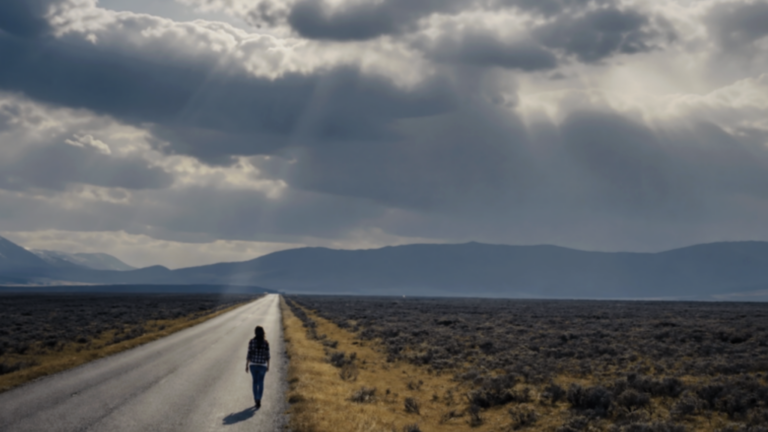
The usual sounds of traffic outside your window are gone. There are no voices, no footsteps, and no signs of everyday life. Cars sit abandoned in the streets, buildings are empty, and the world that once held billions of people is suddenly silent.
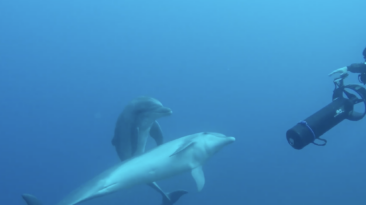
Animals continue moving through the streets, unaware that humanity has disappeared. Birds still fly, squirrels still search for food, and nature slowly begins taking back the world.
Could you really be the last person left on Earth?
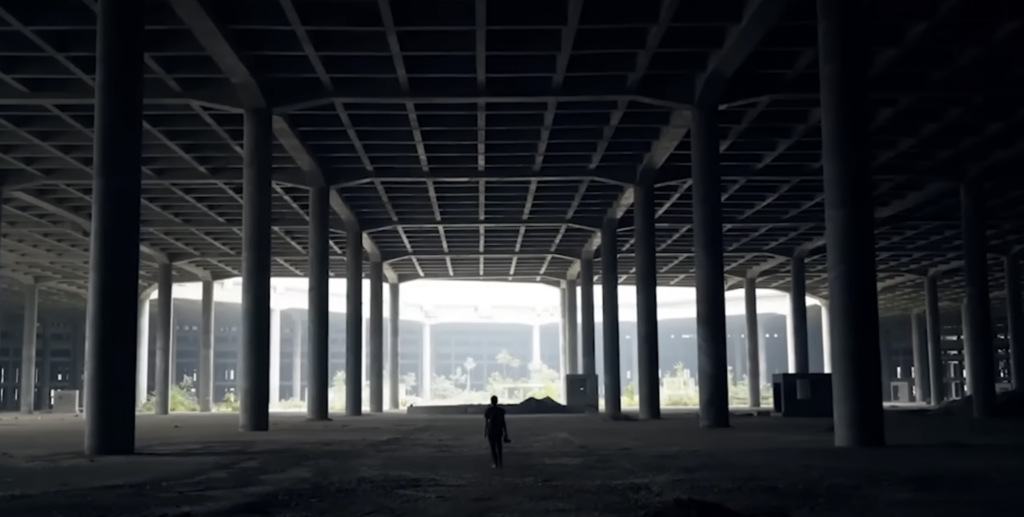
Whether humanity disappeared because of a deadly virus, an unexpected disaster, or something completely unknown, the chances of one person surviving while billions vanish would be incredibly small. But if you somehow found yourself alone on the planet, survival would depend on making the right choices quickly.
You would need shelter, food, water, and a way to protect yourself. More importantly, you would need to find a way to handle the loneliness of being the only human left alive.
Step 1: Find Some Shelter
The first thing you would need is a safe place to live. While your own home might be familiar, being the last person on Earth means you could choose almost any house or building you wanted.
At first, a city might seem like the perfect option. Stores would be filled with supplies, apartments would provide shelter, and everything you need would be close by.
But cities would quickly become dangerous.
Without people maintaining buildings, roads, and power systems, urban areas would slowly fall apart. Buildings would begin to rust and weaken, roads would crack and become covered with plants, and abandoned vehicles would block many routes.
After enough time passes, traveling through cities could become extremely difficult.

A safer option would be finding a home on higher ground, such as a hill. This would provide a better view of your surroundings and protect you from possible flooding.
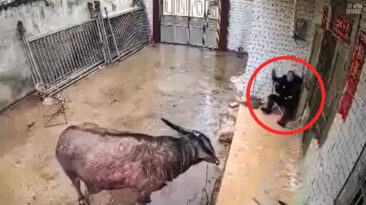
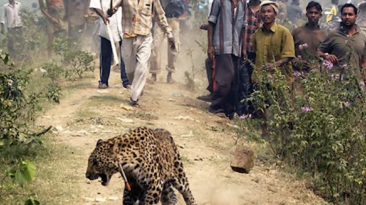
However, leaving the city means entering a world where wild animals are no longer controlled by humans. Predators and other creatures would begin expanding into areas once occupied by people.
A strong fence would help protect your home. You would also need tools or weapons to defend yourself if animals became a threat.
Step 2: Find Food and Water
Food would become one of your biggest challenges.
At first, grocery stores would seem like endless sources of supplies. But without electricity, refrigerators and freezers would stop working. Fresh food would spoil within hours, leaving only preserved items behind.
Your priority would be collecting canned foods, dried goods, and anything with a long shelf life. These supplies could help you survive for years if stored properly.
Water would become an even bigger problem.
Without workers maintaining treatment plants, pumps, and water systems, clean tap water would eventually disappear. Bottled water would only last so long, meaning you would eventually need to find natural water sources and learn how to purify them.
Even after finding food and shelter, another challenge would begin to appear: the emotional weight of being completely alone.

Step 3: Give Yourself Time to Grieve
Surviving the end of humanity would not only be physically difficult. It would also be emotionally overwhelming. You would have lost your family, friends, and everyone you ever knew. The world you grew up in would be gone forever.
Allowing yourself to grieve would be an important part of survival. Ignoring those feelings could make the isolation even harder to handle. Creating a daily routine could help bring structure back into your life. Learning new skills, reading books, exercising, or starting a hobby could give you a reason to keep going.
A pet could also provide companionship. Even if every other human disappeared, an animal could still offer comfort and a connection to another living creature.
Step 4: Learn to Live Sustainably
Eventually, all the supplies left behind by humanity would run out. Gasoline would become useless after a few years, machines would stop working, and stored food would eventually disappear.
To survive long term, you would need to become completely self sufficient. Libraries would become some of the most valuable places on Earth. Without the internet or experts to ask for help, books would become your guide for learning essential skills.

You would need to learn how to grow crops, hunt, collect wild plants, preserve food, and repair equipment.
Simple vegetables like carrots, lettuce, and green beans would be easier choices for starting a small farm. However, growing food would require a reliable water supply, making it essential to learn how to collect and purify water.
The biggest challenge of being the last human alive might not be finding food or avoiding danger. It would be staying mentally healthy without another person to talk to.
Humans evolved as social creatures. Our entire civilization was built through cooperation, communication, and relationships. Being completely isolated for years could become one of the greatest threats to survival.
So the next time the people around you become annoying or frustrating, remember that having others nearby is something worth appreciating.
Because if you were truly the last person left on Earth, the silence might be the hardest thing to survive.