







Scroll down to watch our video.
You could do anything: paint a masterpiece in minutes, pick up new languages in hours, build a billion dollar company overnight, and even reshape the world in a day.
So what’s stopping you? Why aren’t you already doing everything you imagine? Was it not enough exposure to Mozart as a child, poor nutrition growing up, or simply the idea that you are not tapping into your full mental potential? And if that potential could be unlocked, how would it change everything?
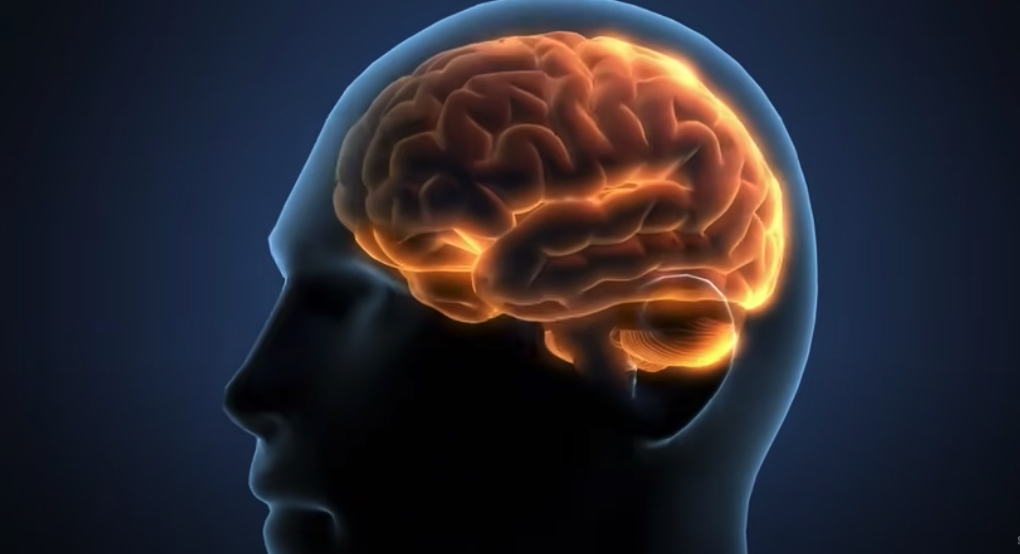
The brain, to say the least, is very complex. We’ve studied it for centuries, and we’re still learning more of its secrets today. But be careful! The search for facts can sometimes lead to fiction. To be smarter, your brain needs to be bigger – False
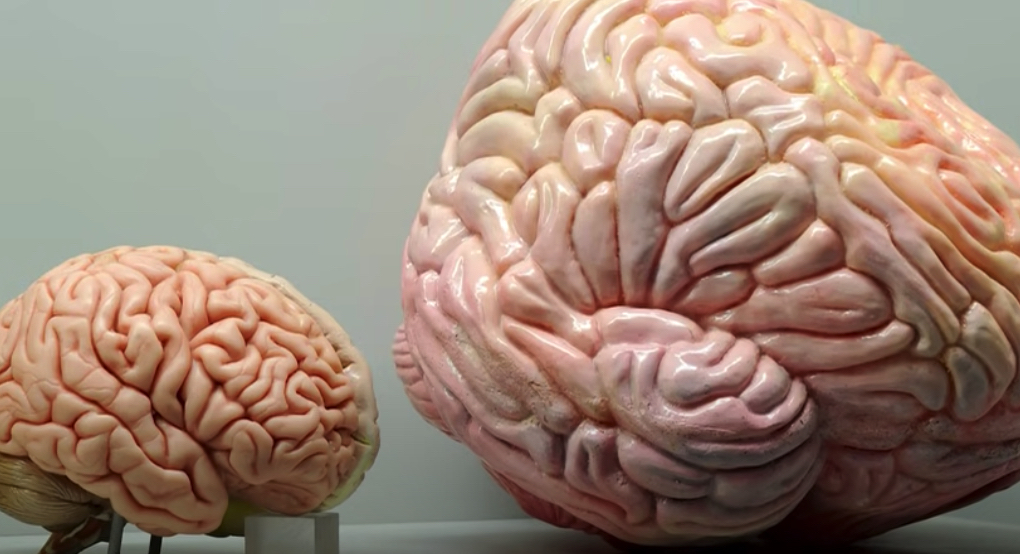
For example, here’s your brain next to a whale’s. Guess who’s smarter… Guess who’s body needs more processing power… Your brain is smaller than a whale’s because your body is smaller. However, your brain is structured in a way that enables you to survive, and succeed. But after all that, would you believe that humans only use 10% of their brains? Let’s make it 100%.
We have all seen what highly intelligent people are capable of. They shape culture through art, music, and literature, shift the balance in sports, create technologies that simplify everyday life, and help structure society in ways that increase human capability, for better or worse.
If you truly had access to the full capacity of your brain, there would be no limits to what you could achieve. So what would you do first?
Maybe you finally solve that Rubik’s cube sitting on your shelf. Or you call your smartest friend and challenge them to a game of chess, only to checkmate in just a couple of moves. A quick victory, nothing more than a warm up.
But after that, simple challenges would lose their appeal. When your mind operates at that level, ordinary entertainment would no longer feel stimulating. So you would naturally start searching for something deeper, whether that is art, science, technology, or something entirely new.
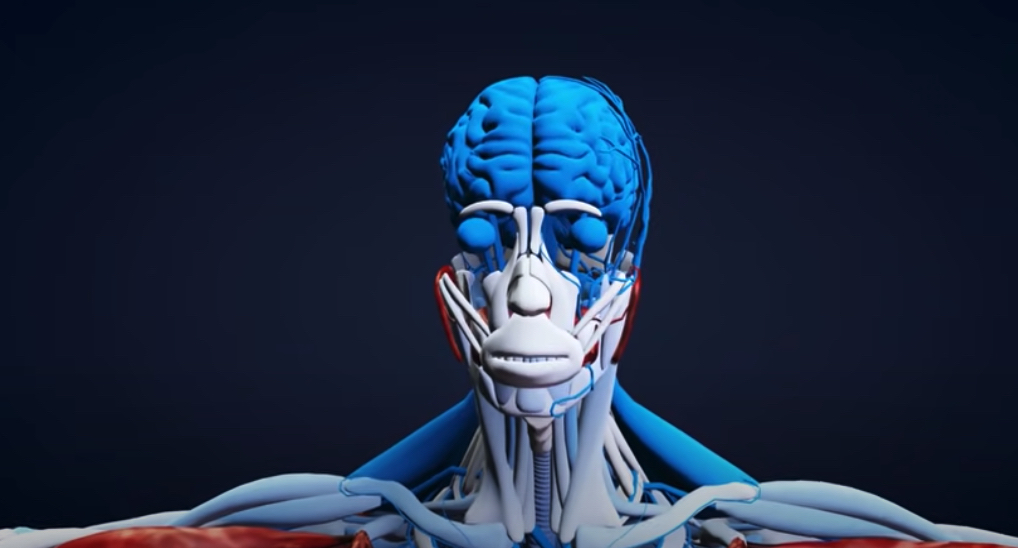
When you are truly limitless, it might feel like you no longer have to choose anything. But pause for a second, what does “limitless” even mean in practice? If you were focusing every ounce of mental energy on creating something groundbreaking, curing a disease, or designing a revolutionary invention, what would happen to the rest of your body?
Breathing, heart rate, digestion, and blood circulation are all controlled by your brain, even when you are not thinking about them. So even if it were possible to access 100 percent of your brain’s capacity, you still could not fully devote it to conscious thought. Your body would always require a share of that power just to keep you alive. In reality, survival itself sets a hard limit on how much mental energy you can ever freely use.
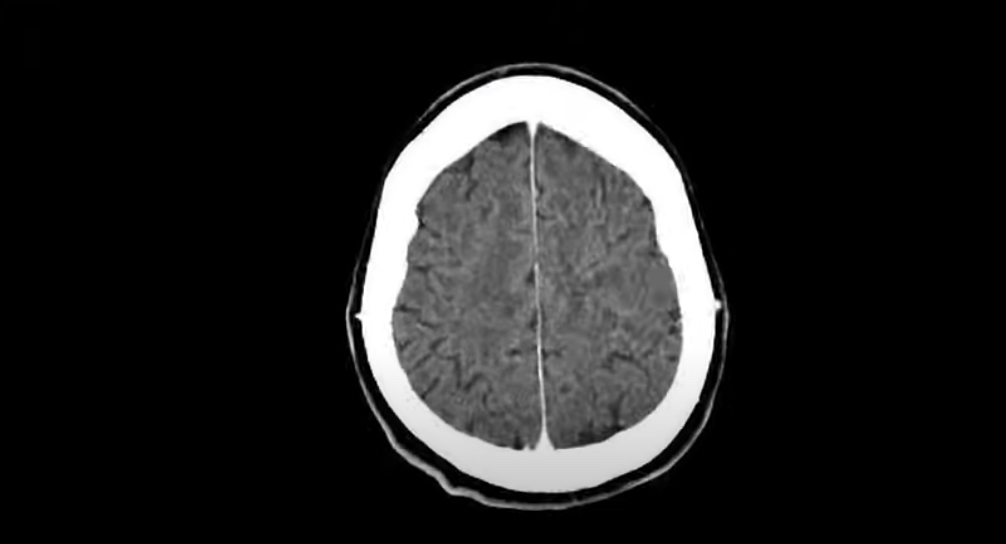 Remember when we brought up the idea that humans only use about 10 percent of their brains? Did that sound believable at the time?
In reality, that claim is a myth, often caused by a misunderstanding of how the brain is structured. The brain is made up of different types of cells, including neurons and glial cells. Neurons are responsible for sending and processing information, while glial cells provide essential support, protection, and insulation for those neurons.
What’s even more interesting is that human brains all follow a very similar design. You have roughly the same number of neurons as someone like Albert Einstein once had. So the difference in ability is not about how much brain you use, but how you use and develop it. To improve, think of your brain like a muscle: challenge it, learn new skills, stay curious, and give it proper rest. Healthy habits and constant mental stimulation are what truly help you grow, and in the end, it really is a no brainer.