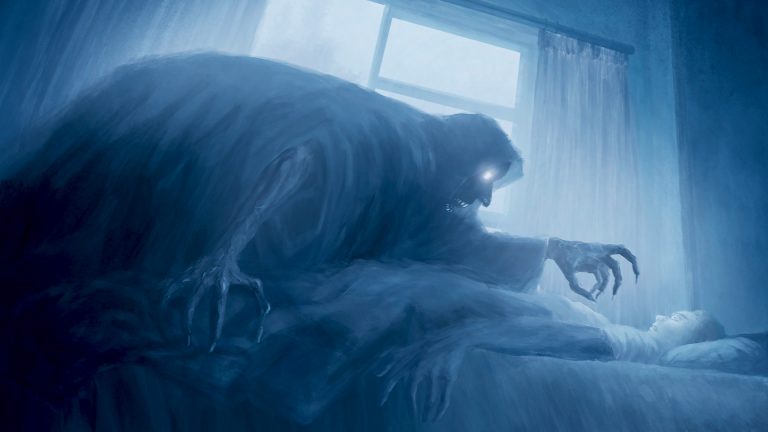
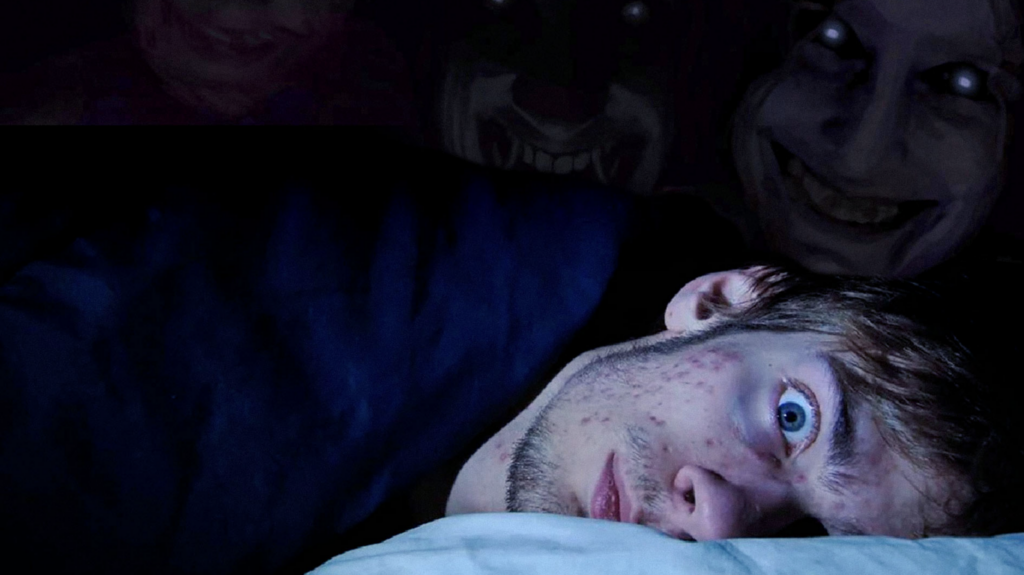
A growling sound wakes you in the middle of the night. Your eyes open, and in the dim light of your room you notice a dark silhouette standing nearby. Fear hits instantly. You try to sit up, to move, to scream, but nothing happens. Your body refuses to respond.
The figure seems to move closer. You are trapped, fully aware, but completely powerless. Is it a dream, or something real?
Sleep paralysis is a condition where a person becomes conscious while their body is still in a state of temporary muscle shutdown that normally happens during REM sleep. In this state, the mind wakes up before the body does. That disconnect can feel terrifying, especially because it is often paired with hallucinations.
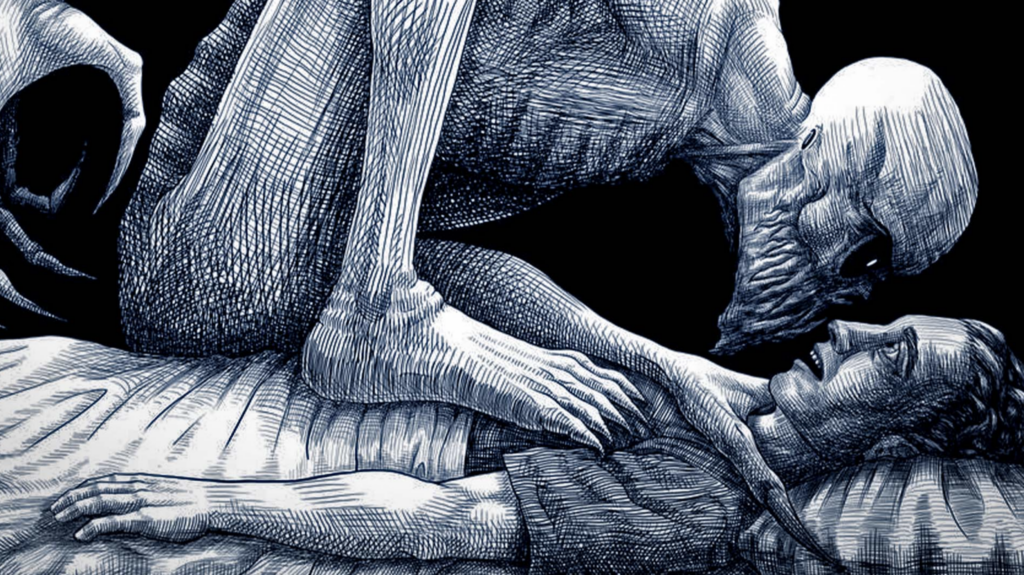
Many people report sensing a presence in the room, feeling pressure on the chest, or even hearing voices and footsteps. The brain is still partly in dream mode, which is why these experiences can feel so real.
These episodes typically happen during transitions between sleep stages. In REM sleep, the brain is active and dreaming occurs, while the body stays still to prevent you from physically acting out those dreams. Sleep paralysis occurs when you suddenly become aware during this phase, but your muscles have not yet “switched back on.” The result is a brief but intense feeling of being awake inside a paralyzed body.
One of the most important ways to reduce the risk is maintaining a consistent sleep schedule. Going to bed at irregular times or not getting enough sleep increases the chance of disrupting normal sleep cycles, which can trigger episodes. A stable routine helps your brain move smoothly through sleep stages without sudden interruptions.
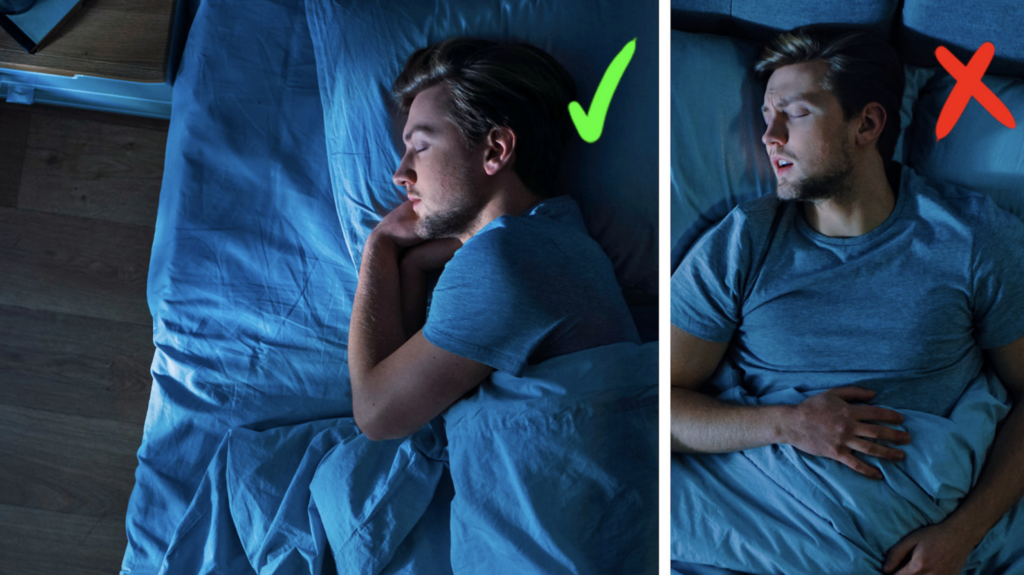
Sleeping position can also play a role. Many people notice episodes happening more frequently when sleeping on their back. This position may increase snoring or breathing disruptions, which can cause sudden micro awakenings during REM sleep. These abrupt transitions raise the likelihood of sleep paralysis.
Some people find it helpful to use a pillow behind their back to avoid rolling onto it during the night.
If sleep paralysis does occur, the most effective response is not panic. As frightening as it feels, it is temporary and harmless. Reminding yourself that the experience will pass can reduce fear and make the episode feel shorter. Focusing on calm or positive thoughts may also help prevent the hallucinations from escalating.
Fighting the experience or trying to force movement often increases anxiety.
Even though the body feels completely frozen, small movements are sometimes still possible, especially in the eyes. Rapidly moving your eyes or trying to blink can help signal to the brain that you are awake, which may help break the episode sooner.
In cases where sleep paralysis becomes frequent and begins to affect daily life, medical support may be necessary. A healthcare professional might suggest treatments such as medications that regulate sleep patterns or address underlying conditions that disturb REM sleep.
As unsettling as it is, sleep paralysis is not dangerous, even if it feels like a nightmare spilling into reality. And while avoiding sleep altogether might sound like a solution in theory, it would only create bigger problems. The brain needs rest, even if it occasionally produces strange ways of reminding you just how powerful dreams can be.