Humanity has only just begun to scratch the surface of its potential, yet some scientific theories suggest we could one day evolve into something almost unrecognizable compared to what we are today. Picture a future where humans no longer struggle with energy shortages, planetary limits, or even the boundaries of a single galaxy. Instead, we spread across the cosmos, shaping entire star systems and possibly influencing the structure of reality itself.
This idea is often described using the Kardashev Scale, a concept introduced in 1964 by astrophysicist Nikolai Kardashev. It measures civilizations based on how much energy they can access and control. The higher the level, the more advanced and powerful the civilization becomes, starting from a single planet and potentially extending to the entire Universe.

Right now, humanity does not even fully qualify as a Type I civilization. We still rely heavily on limited Earth based resources, and we have not yet learned to use all the energy our own planet can provide. But the journey upward could completely transform everything we know about life.
1. Becoming a Planet Master Civilization
The first major step would be reaching Type I status. At this level, humanity would fully control and utilize all energy available on Earth.
This would mean replacing outdated energy systems with near perfect efficiency technologies. Solar, wind, geothermal, and ocean energy would power everything without waste. Climate systems could be stabilized, disasters could be predicted or even prevented, and global cooperation would become essential for survival.
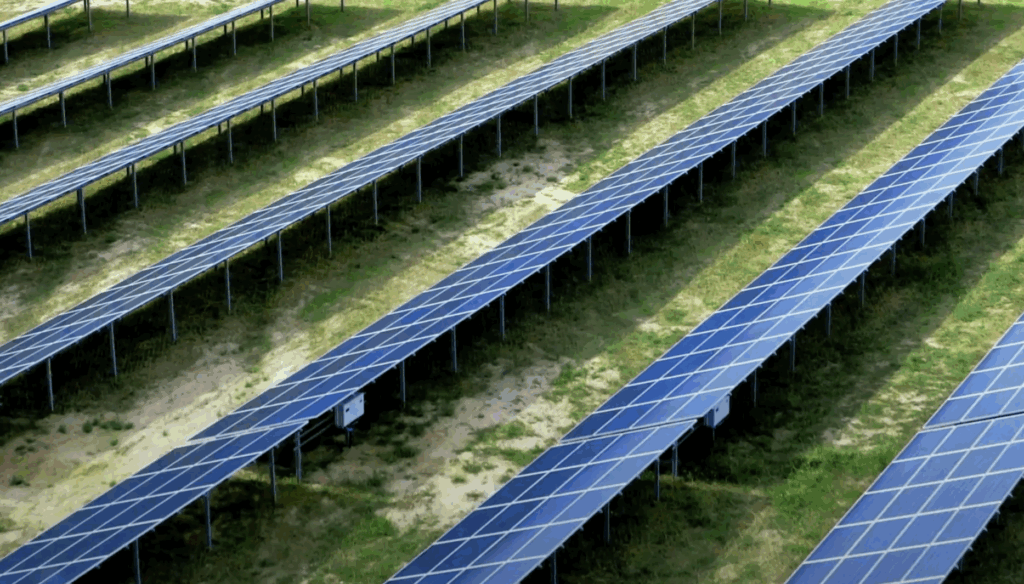
Advanced computing, artificial intelligence, and planetary engineering would likely reshape civilization. Borders might matter less, as humanity begins to operate as a single coordinated system rather than separate nations competing for resources.
2. Expanding Into the Solar System
Once Earth is fully optimized, the next step would be spreading outward into space and harnessing the power of the Sun. This is the idea behind a Type II civilization.
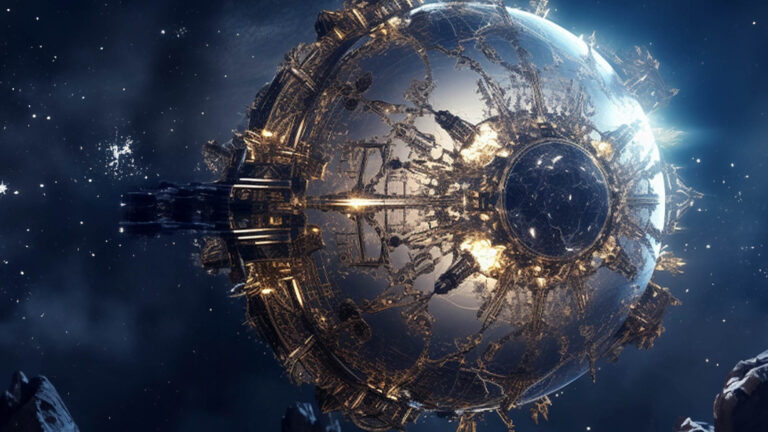
To achieve this, humanity might construct massive orbital structures designed to capture solar energy on an enormous scale. Entire colonies could emerge on Mars, Europa, Titan, and beyond, turning the Solar System into a connected network of human settlements.

At this stage, energy scarcity would disappear. Manufacturing, food production, and survival would no longer depend on Earth alone. Humanity would become a multi planet species capable of long term survival beyond its home world.
3. A Galactic Civilization
A Type III civilization would represent a dramatic leap forward. Instead of just a Solar System presence, humanity would spread across the Milky Way galaxy.
At this level, we would no longer think in terms of planets or even star systems. Civilizations might exist across thousands or even millions of worlds, connected through advanced communication or possibly physics bending travel methods.
Technology could reach levels where artificial life becomes common, planets are engineered, and stars are used as energy sources. The distinction between natural and artificial environments might begin to fade entirely.
4. The Universe Scale Civilization
Type IV civilization theory pushes imagination even further. At this stage, humanity would no longer be limited to a single galaxy. Instead, it could harness energy across multiple galaxies or even the entire Universe.
Such a civilization might interact with forces that we currently barely understand, such as dark energy or cosmic background radiation. Space itself could become a resource, shaped and engineered for survival and expansion.
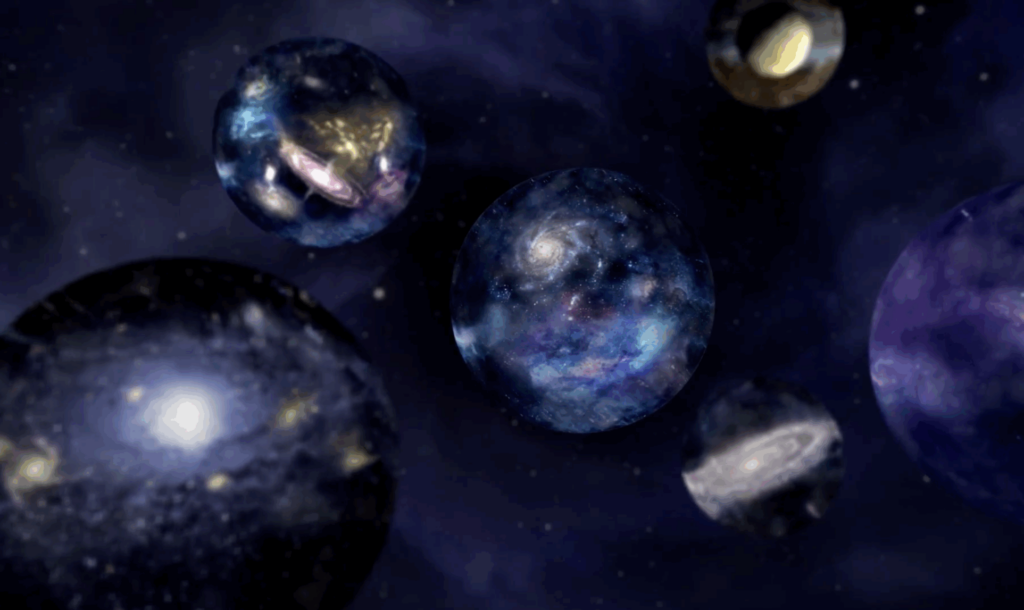
Distances that are currently impossible to cross might no longer matter. Reality could become flexible, allowing manipulation of space, time, and possibly dimensions beyond our perception. At this point, humanity would no longer resemble its original form, evolving into something far beyond biological life.
5. A World Without Traditional Work
In a civilization this advanced, survival would no longer require human labor. Machines and autonomous systems would handle every essential task, from construction to energy production to resource distribution.
This would completely change the structure of society. Instead of working for survival, individuals could focus on exploration, creativity, philosophy, and personal development. Value might shift away from money and toward knowledge, experience, and expression.
6. Power, Ethics, and the Unknown Future
With near limitless power comes an equally large responsibility. A civilization capable of shaping galaxies would need to carefully consider the consequences of every action it takes on a cosmic scale.
There is also the question of other intelligent life. If other advanced civilizations exist, interaction could redefine cooperation, conflict, and communication at a universal level.
Ultimately, even if this future remains far beyond our reach, it forces an important question. If humanity ever gained control over the Universe itself, what would we choose to become?