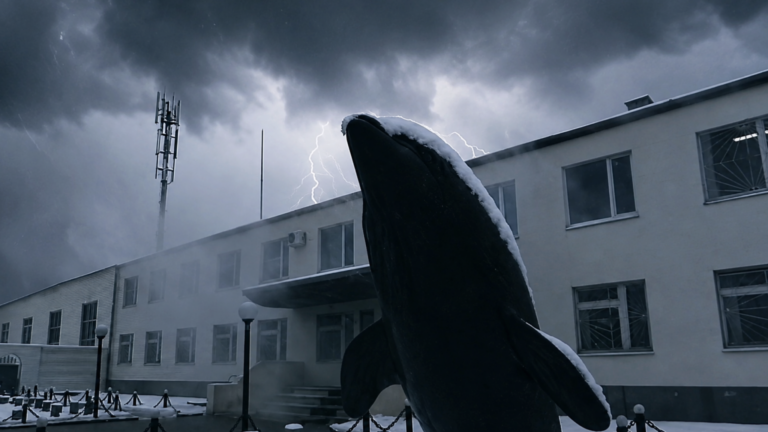
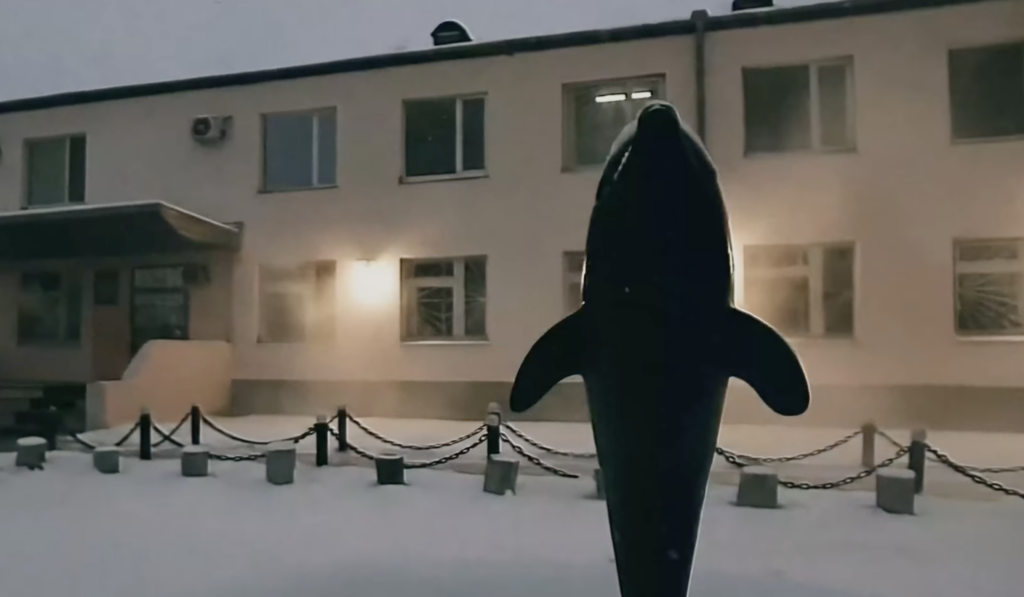
Black Dolphin is famous for its extreme security, but the prison is only one part of a much larger system. Behind Russia’s prison walls, a long history of harsh discipline, isolation and abuse has created a darker picture than the clean and controlled image sometimes presented to the public.
Black Dolphin is part of Russia’s wider prison network, a system still carrying a heavy Soviet footprint. Across the country, hundreds of thousands of people are held in facilities where strict discipline is often valued over rehabilitation, while problems such as crumbling buildings, forced labor and serious health risks remain.
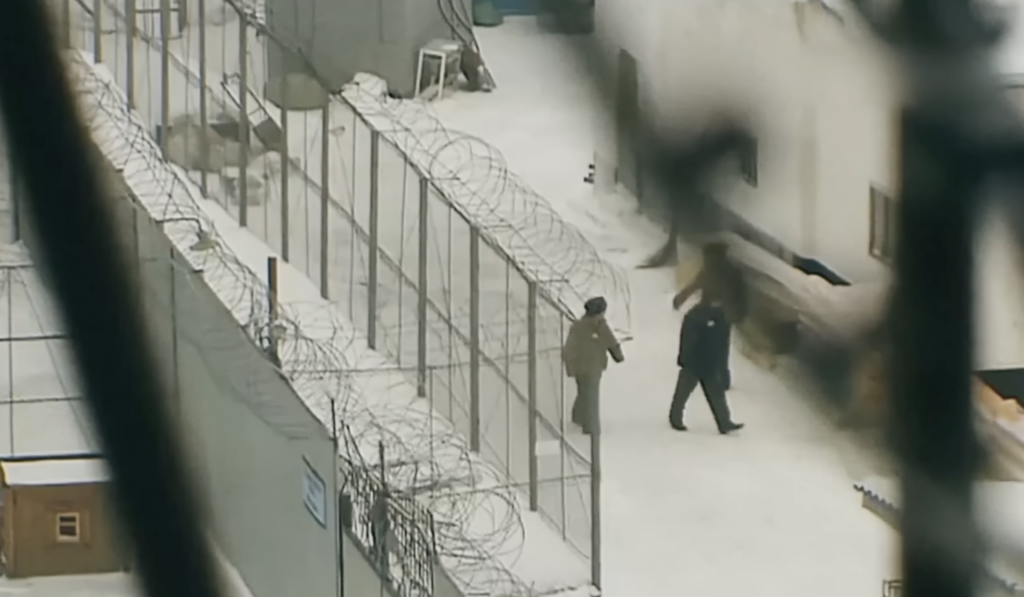
Black Dolphin itself is presented as a place built around control. Constant checks, strict routines and severe restrictions are part of everyday life, particularly for prisoners serving life sentences. But reports of what happens throughout the wider prison system have raised much more disturbing questions.
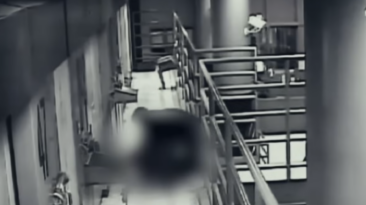
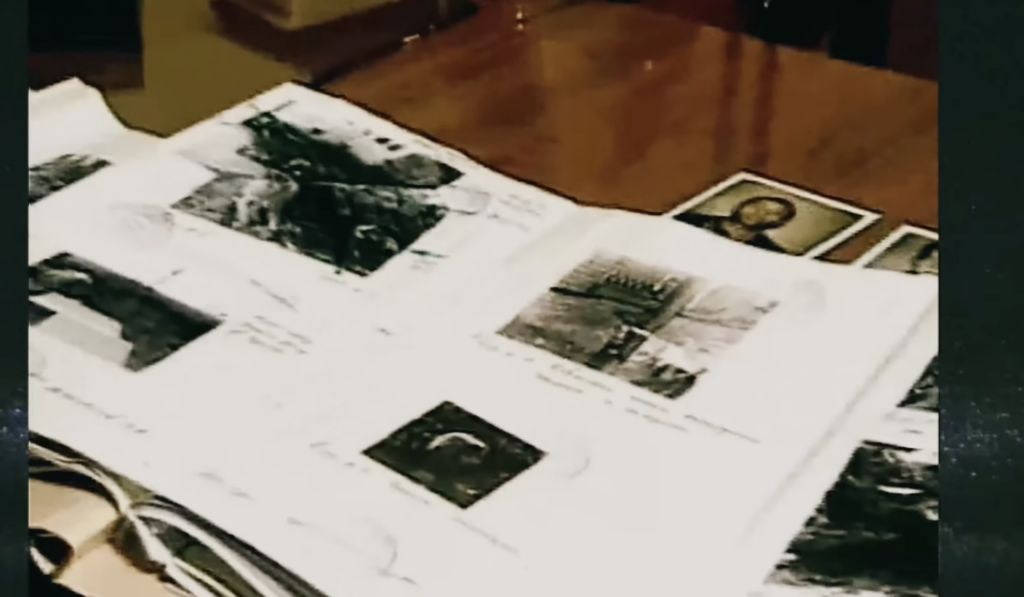
Between 2021 and 2022, Russia’s prison network was rocked by a massive leak of videos from its facilities showing torture and sexual assaults. The footage was secretly copied by a former inmate named Sergey Savelyev while he was working in a prison office.
Savelyev had been sentenced to nine years in a Saratov prison following a drug conviction. While working there, he covertly copied hundreds of gigabytes of graphic footage and eventually sent it to the human rights group Gulagu.net after his release.
The videos triggered national investigations and exposed a system where abuse could continue behind prison walls. Officials were fired, and the head of Russia’s federal prison service was ultimately removed.
But the scandal was bigger than one prison.
Reports described beatings, electrocutions, mock executions and systematic abuse across parts of Russia’s prison system. These incidents were not necessarily taking place inside Black Dolphin itself, but they revealed the environment surrounding one of the country’s harshest prison regimes.
That distinction matters. Black Dolphin may be known for its extreme security and unforgiving conditions, but it exists inside a prison network with a much broader history of violence and mistreatment.
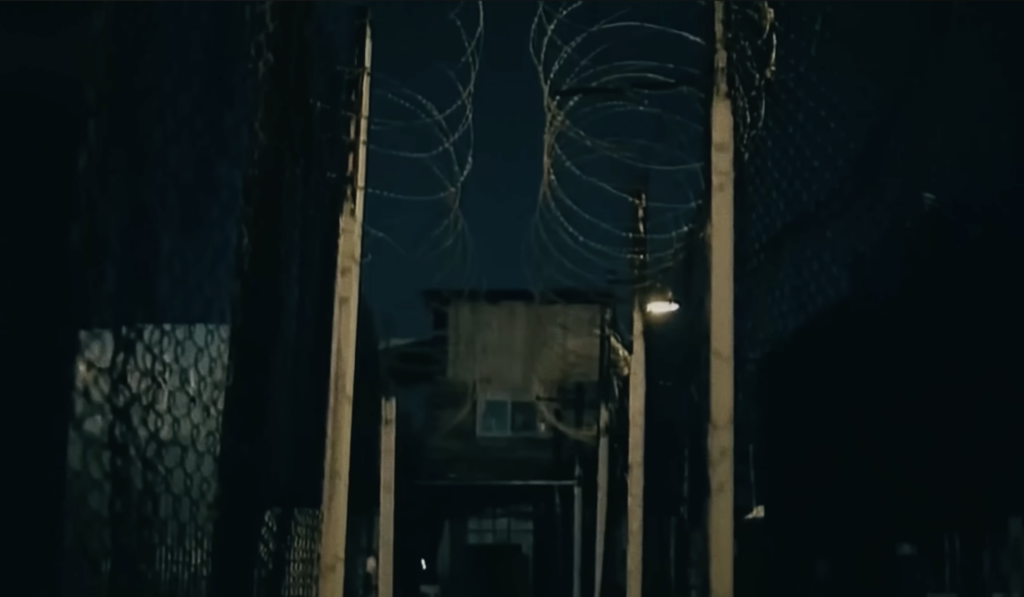
For prisoners, life can already mean spending years inside deteriorating facilities, following strict routines and performing forced labor for very little money. Health problems such as tuberculosis and HIV add another danger to an environment where medical care can be limited.
The 2021 torture leaks forced some of these problems into the open. What had largely remained hidden behind prison walls was suddenly visible, raising questions about how much of the abuse was isolated and how much was part of a deeper institutional problem.
Black Dolphin represents the sharpest and most unforgiving end of that system. Its prisoners are already serving life sentences, and the prison is designed around control rather than rehabilitation.
Constant lights, endless checks and exercise inside cage-like pens create an environment where freedom has effectively disappeared. But beyond those walls is a much larger system, one that has repeatedly faced accusations of brutality.
The torture scandal showed that the darkest stories surrounding Russian prisons were not simply rumors about one infamous facility. They were part of a much wider problem that had remained hidden for years.
And even after officials were fired and investigations began, measuring real reform inside such a harsh prison regime remained difficult from the outside.