Prepare yourself for a dive into some of the deadliest environments on Earth. From scalding waters and venomous creatures to freezing chemicals and molten rock, each destination is more dangerous than the last. How far would you make it?
5 – Lake Natron
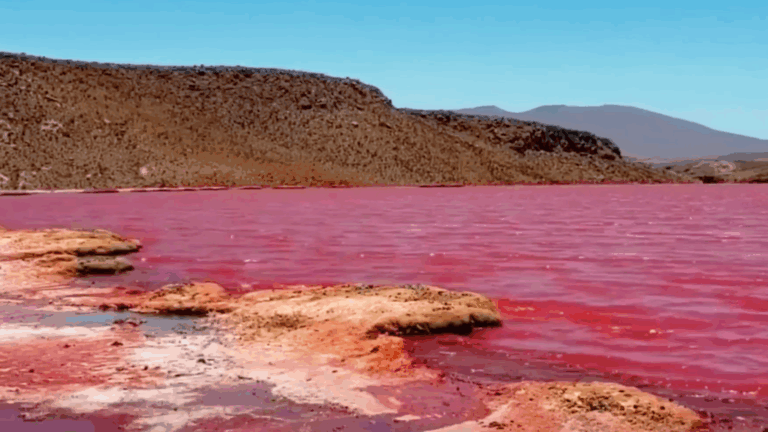
At first glance, Lake Natron looks calm and beautiful. In reality, it’s one of the harshest lakes on the planet. Located near the active volcano Ol Doinyo Lengai, the lake is filled with minerals rich in sodium and potassium carbonate that flow from volcanic ash and lava.
The result is highly alkaline water with an extremely high pH. Temperatures can reach around 60°C (140°F), hot enough to cause serious burns. Spending just a few seconds in the lake could leave you with severe third-degree burns, and swallowing the water could badly damage your internal organs.
One of Lake Natron’s most unsettling traits is its ability to preserve dead animals. The lake’s chemistry can mummify remains so effectively that feathers, skin, and even soft tissues may stay recognizable for decades.
4 – Pool of Stingrays
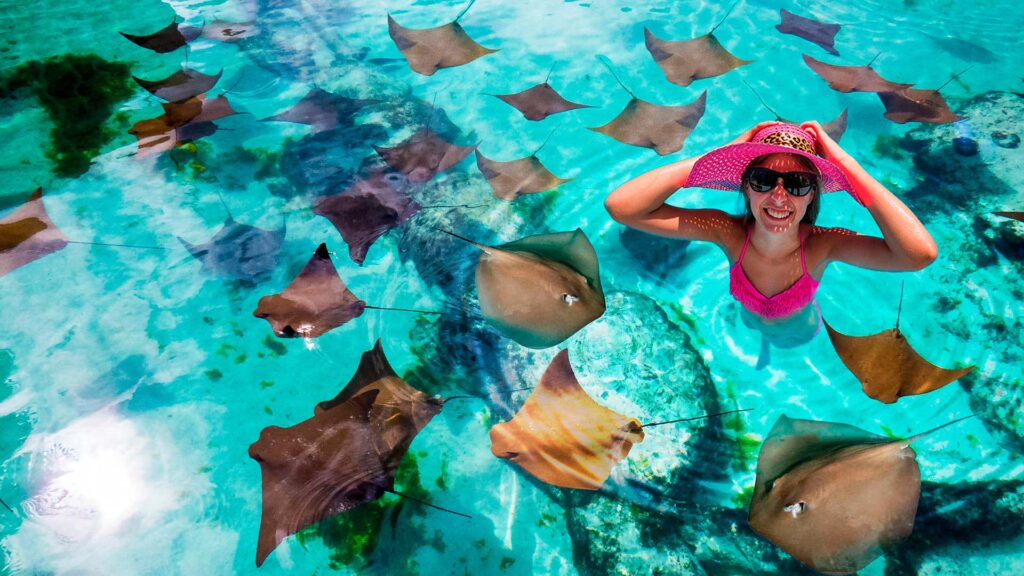
Stingrays may appear harmless, but they carry a powerful defense mechanism. Each one is equipped with a sharp, venomous barb that can inflict an incredibly painful wound.
If a stingray strikes, venom quickly enters the body. The toxin contains serotonin, which can trigger intense muscle contractions and extreme pain. The injury can be severe and may require immediate medical attention.
The good news is that stingrays rarely attack without a reason. They usually sting only when they feel cornered or threatened. Give them space, and they’ll most likely leave you alone.
3 – Pool of Sharks
Sharks possess remarkable senses. They can detect traces of blood in the water and have excellent hearing, making them highly effective predators.
Yet a shark bite doesn’t always mean an attack. Sharks are naturally curious and often investigate unfamiliar objects by biting them, much like humans use their hands to explore.
Ironically, many shark species might not see you as prey at all. Most are adapted to hunt fish, and a human is much larger than the animals they usually pursue. In some cases, a shark could be more cautious of you than you are of it.
2 – Volcano
Standing at the edge of an active volcano would expose you to an environment of extreme heat and toxic gases. The air can contain sulfur compounds, ammonia, and other volcanic emissions heated to temperatures approaching 500°C (932°F).
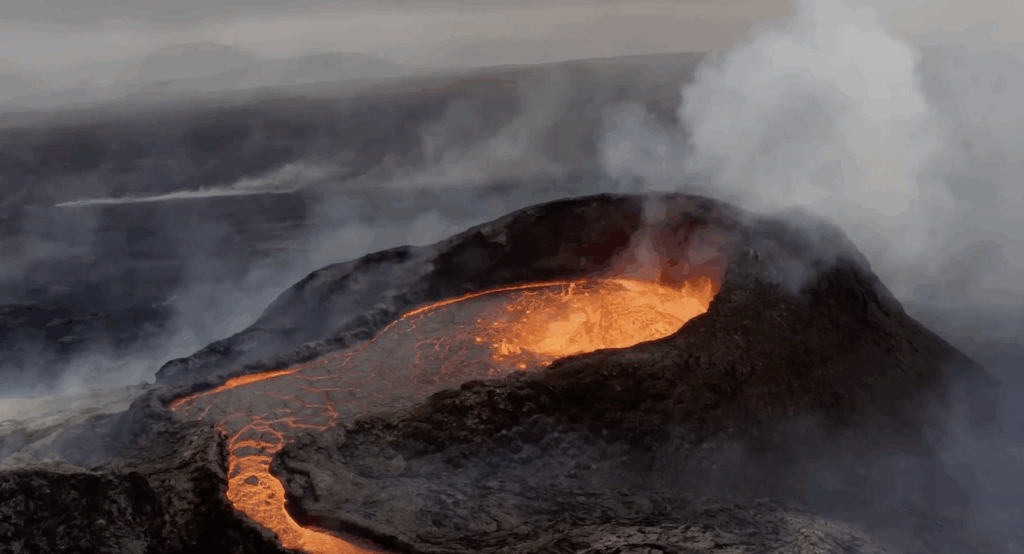
Breathing such superheated gases could quickly cause you to lose consciousness. And if you were to fall into the volcano, the impact alone would be devastating, causing catastrophic injuries before the heat even took effect.
The intense temperatures inside the crater would rapidly ignite soft tissues and eventually consume nearly everything. Even bones would not remain intact for very long.
1 – Pool of Liquid Nitrogen
The most dangerous dive on this list isn’t into fire or venomous waters—it’s into liquid nitrogen.
Liquid nitrogen is colorless, odorless, and nonflammable. It creates dramatic clouds of fog when exposed to warm air, making it look almost harmless. In reality, it’s incredibly dangerous.
The liquid rapidly displaces oxygen in the surrounding air, creating a serious risk of suffocation. You could lose consciousness before fully understanding what was happening.
At the same time, the extreme cold would freeze your tissues almost instantly. Skin, fat, muscles, and even blood would begin to solidify. If you somehow remained conscious with your head above the surface, your body would continue freezing until movement became impossible.
Ironically, the freezing process would severely damage your nerves, reducing your ability to feel pain. In the end, you would become a frozen, immobile figure submerged in an environment colder than almost anything naturally found on Earth.