What if one of the most painful experiences in the ocean was hiding a biological secret that scientists are only now beginning to fully understand?
A new wave of research is revealing what is actually behind a jellyfish sting, and the findings show that these ancient creatures are far more complex than they first appear.
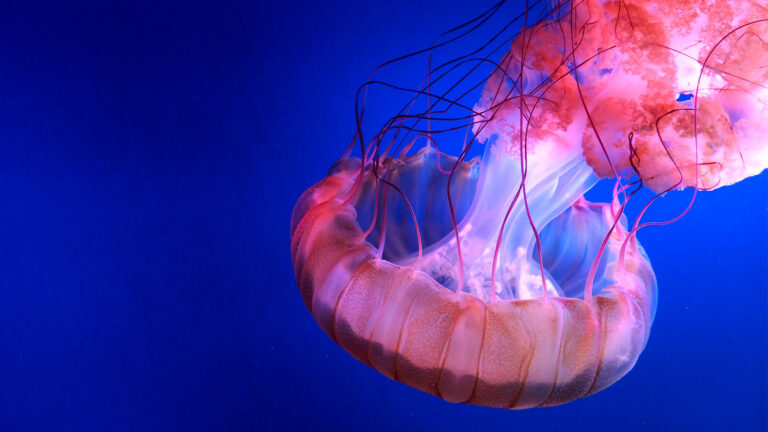
Jellyfish are among the oldest living animals on Earth. Some species are thought to have existed for over 500 million years, long before dinosaurs appeared. Despite their age, they have no brain, no heart, and no bones. In fact, most jellyfish are made up of about 95 percent water.
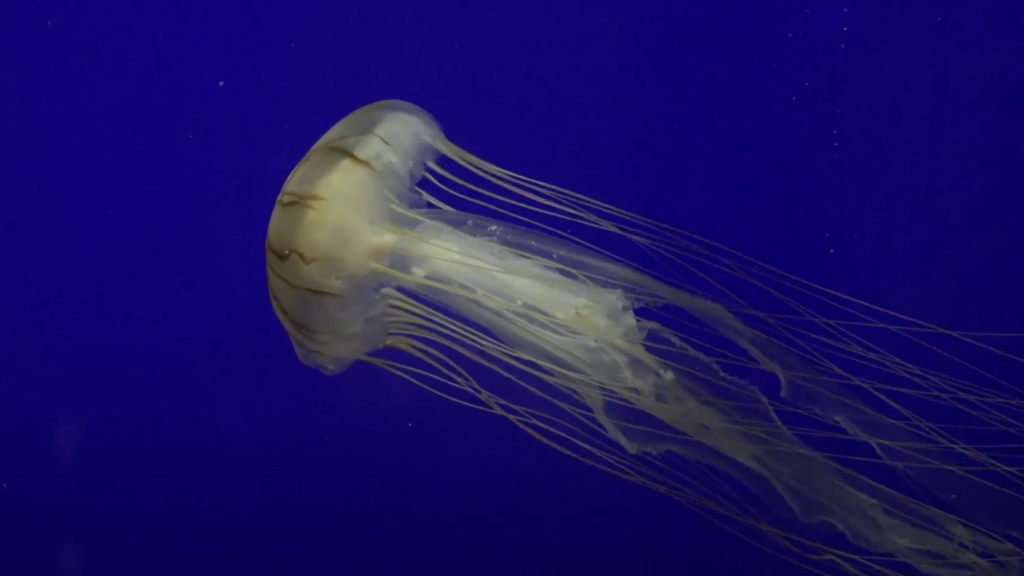
They come in many shapes and sizes, from tiny transparent organisms no larger than a fingernail to massive species that can stretch up to 3 meters (9.8 feet) wide. They drift through oceans across the entire planet, from tropical waters to freezing Arctic seas.
For decades, scientists have been studying how jellyfish are able to produce such a powerful sting. Each year, millions of people are stung while swimming in the ocean, making jellyfish one of the most encountered marine creatures by humans.
A sting begins when a person accidentally touches the jellyfish’s tentacles. Inside these tentacles are thousands of microscopic cells called nematocysts. These cells act like tiny biological harpoons.
When triggered, they fire in less than a second, injecting venom into the skin at high speed. This mechanism is one of the fastest natural responses in the animal kingdom.
Recent scientific findings show that the pain caused by jellyfish stings comes from a combination of toxins, including proteins that disrupt skin cells and trigger strong inflammatory reactions. These compounds are designed to immobilize prey or deter predators, not specifically humans.
In most cases, the severity of a sting depends entirely on the species. Some jellyfish cause only mild irritation, while others can lead to serious medical emergencies.
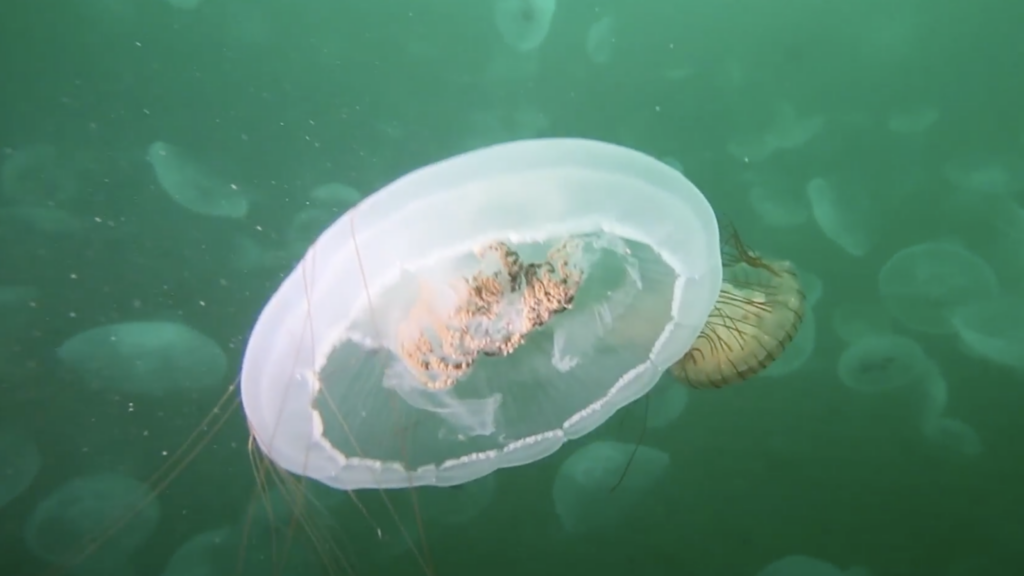
Despite popular myths, certain first aid methods like urinating on a sting are not effective and can actually make things worse. Scientists recommend rinsing the area with seawater, carefully removing any remaining tentacles, and using appropriate treatments depending on the species involved.
Interestingly, jellyfish do not actively hunt humans. Most stings occur by accident when swimmers come into contact with drifting tentacles or when jellyfish are pushed toward shore by currents and storms.
Jellyfish populations can grow rapidly. Some species are capable of producing thousands of eggs in a single day, while others can reproduce through a process where damaged tissue regenerates into new individuals.
This ability to multiply quickly helps jellyfish survive despite being a common food source for animals like sea turtles and certain fish species.
Over time, scientists have also discovered that jellyfish possess one of the most unusual life cycles in the animal kingdom. One species, Turritopsis nutricula, is able to revert from its adult stage back into a juvenile form when stressed, effectively restarting its life cycle.
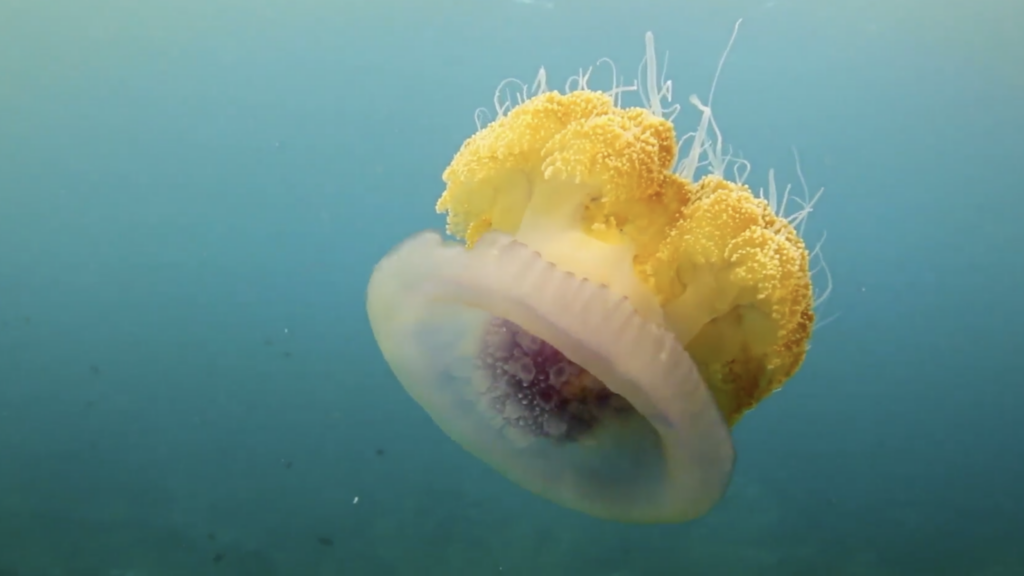
Because of this ability, it is often referred to as biologically “immortal,” although it is still vulnerable to disease and predators.
Jellyfish have even surprised scientists with their unusual diets. In controlled environments, researchers have found that some jellyfish can consume unexpected food sources, demonstrating how adaptable their feeding behavior can be.
New studies into jellyfish stings continue to reveal how sophisticated their defense systems really are. What once seemed like a simple and random sting is now understood as a highly evolved biological weapon refined over hundreds of millions of years.
Despite their painful reputation, jellyfish remain a vital part of ocean ecosystems and one of the most fascinating examples of survival in nature. Their sting is not just a danger to avoid, but a window into one of the oldest biological systems on Earth.