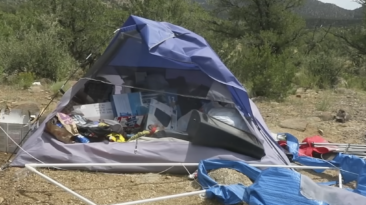
When you are in hyena territory, the danger often begins long before you ever see the animal. Nightfall, silence, and a poorly secured campsite can turn an ordinary rest stop into a life or death situation. Hyenas are not the kind of predators that announce themselves. They test, they wait, and they strike when opportunity is at its highest.
What makes a hyena attack so sudden and overwhelming? How does a sleeping person inside a tent become a target in seconds? And why are these animals so difficult to stop once they commit?
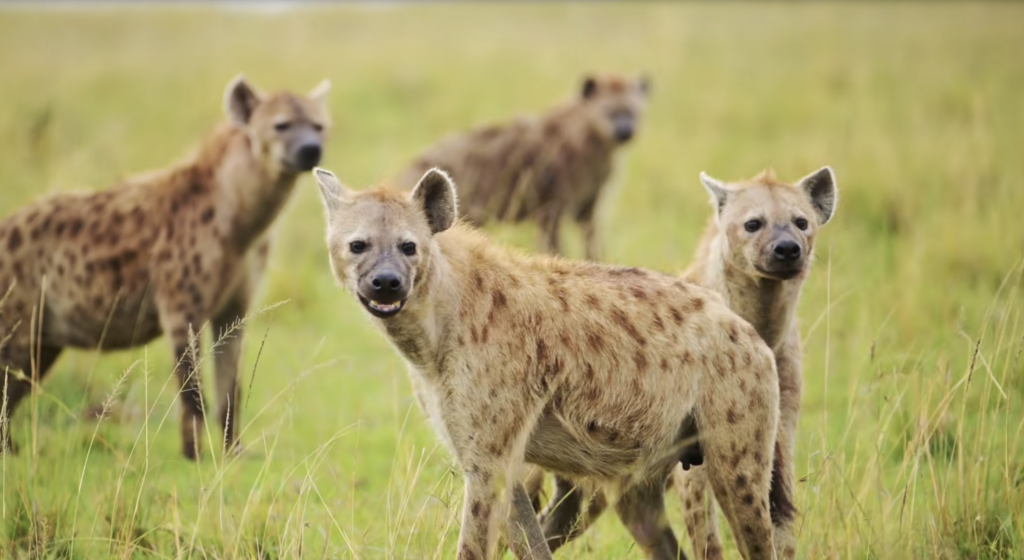
Hyenas are widespread across Africa and parts of Asia, thriving in deserts, savannas, and forest edges. The spotted hyena is the most infamous species, known for its vocalizations and intense pack dynamics. While many people think of them as scavengers, they are highly capable hunters with a social structure built for coordinated attacks.
A single adult hyena can weigh around 60 to 80 kilograms and reach speeds of nearly 60 kilometers per hour in short bursts. Their true advantage, however, is their bite. It is powerful enough to crush bone, allowing them to consume nearly every part of a carcass. This efficiency makes them both successful hunters and persistent competitors in the wild.
Hyenas rarely operate alone. They typically move in clans that can range from a handful of individuals to more than fifty. This group behavior becomes especially dangerous when they approach human camps, because multiple animals can overwhelm a target quickly and reduce any chance of escape.
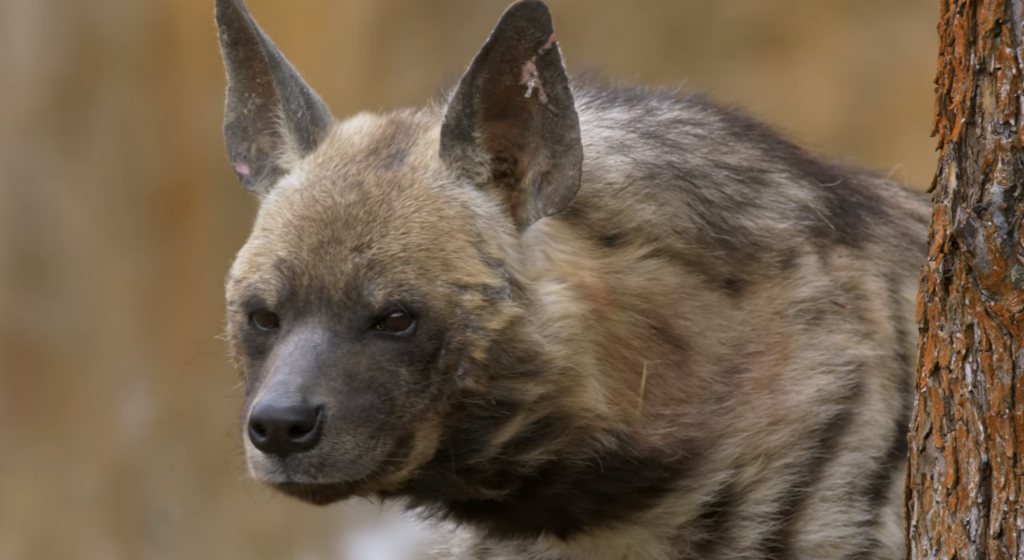
Most attacks occur at night. Darkness gives hyenas the advantage, especially in areas where campsites are poorly lit or where food scraps attract wildlife. In some cases, a person inside a tent may be mistaken for prey simply because the animal detects movement, scent, or noise associated with food.
There have been rare but documented incidents of hyenas breaking into tents and dragging victims outside before they can fully react. In these moments, survival depends on immediate resistance and the ability to create distance, though outcomes vary widely and injuries are often severe.
Wildlife experts emphasize that hyenas are not naturally inclined to hunt humans, but they are opportunistic. If food is accessible and human presence is weak or careless, they will exploit it without hesitation.
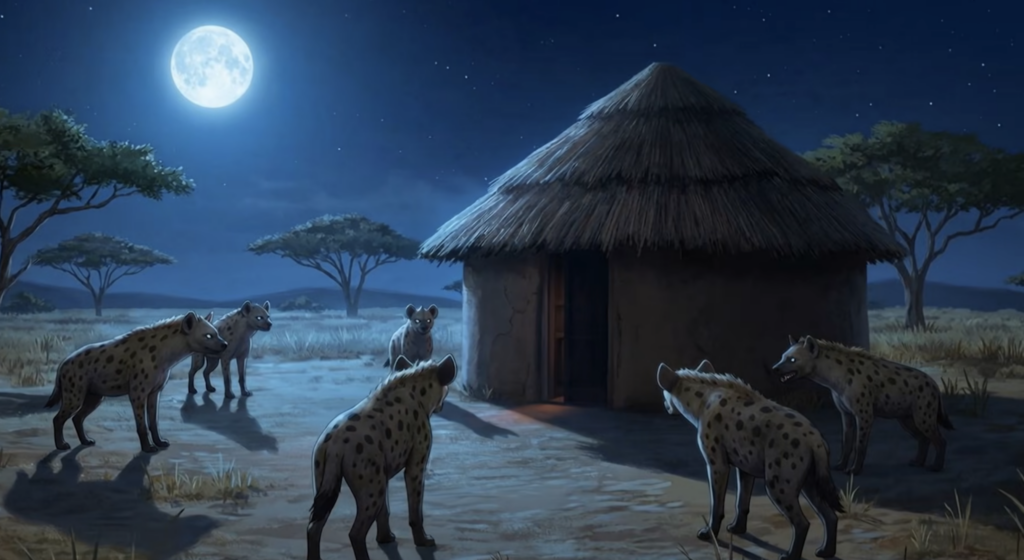
The most important principle for survival is prevention. Camps should always be secured, food must be stored away from sleeping areas, and tents should remain fully sealed. Even small openings can become an invitation during the night.
If a confrontation does occur, making loud noise, appearing larger, and refusing to turn away can sometimes discourage an approach. However, hyenas are intelligent, persistent animals, and there is no guaranteed method to stop a determined pack.
In regions where hyenas are active, awareness is the only real protection. The greatest risk is not just the animal itself, but the assumption that you will have time to react once it is already close.