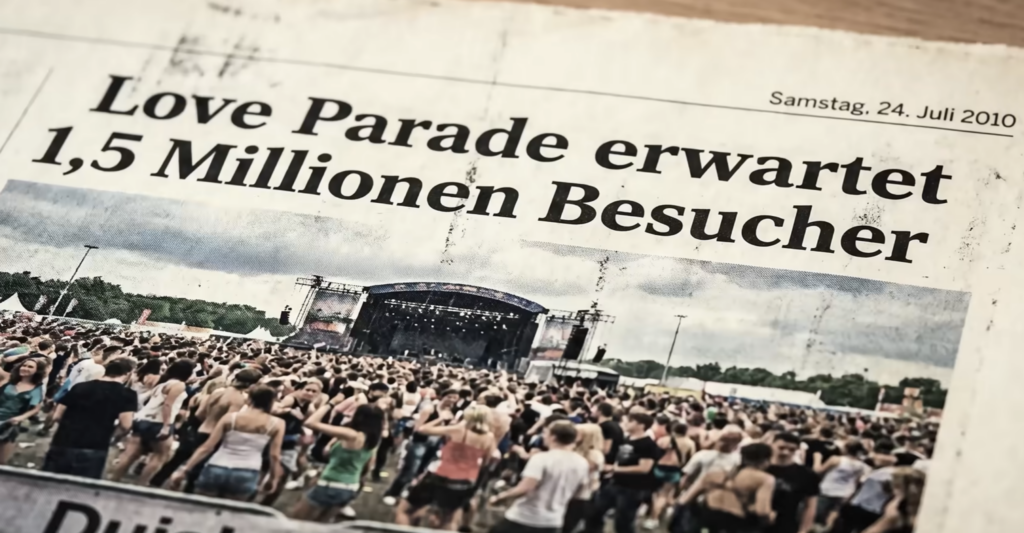
On July 24, 2010, around 1.5 million people were expected to attend the Love Parade electronic music festival in Duisburg, Germany. What was supposed to be a huge celebration of music, dancing and unity instead became one of the deadliest crowd disasters in modern history.
By the end of the day, 21 people were dead and around 650 others had been injured. The tragedy was not simply the result of people panicking, but of a crowd being pushed into a space that could not safely handle the number of people entering it.
The Love Parade had originally started as a peaceful gathering in Berlin, but over the years it had grown into an enormous commercial event. When Duisburg was chosen to host the 2010 edition, local officials saw an opportunity to attract visitors, improve the city’s reputation and generate significant economic activity.
The problem was the venue.
A Million People, One Entrance
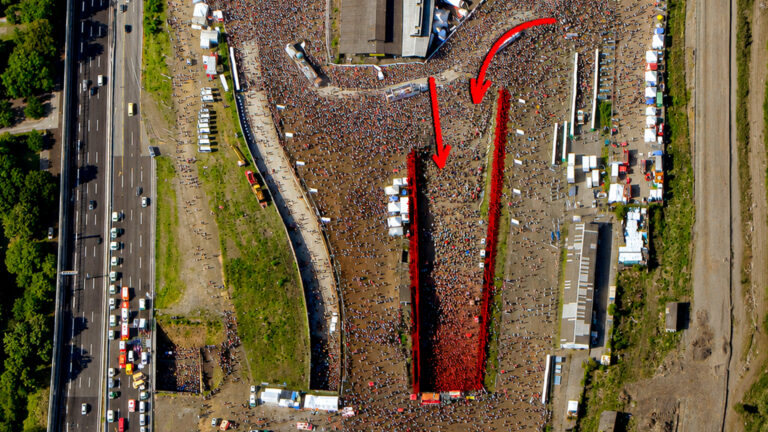
The festival was held at a former freight railway site surrounded by fences, railway tracks and a closed highway. Official documents stated that the area could safely accommodate around 250,000 people, yet organizers expected as many as 1.5 million visitors throughout the day.
Their argument was that people would continuously enter and leave, meaning the entire crowd would never be inside the site simultaneously. But people cannot move through a confined space as predictably as water through a pipe.
The main access route was the Karl Lehr Tunnel, a narrow road leading toward the festival grounds. With enormous numbers of people approaching from different directions, experts had warned that the available space and capacity were dangerously inadequate.
Those warnings were not enough to stop the event.
The Crowd Begins to Collapse
The festival started peacefully, with thousands of people arriving in the morning. However, the entrance system could process roughly 24,000 people per hour while trains were delivering almost 32,000 people per hour.
The difference created a growing backlog.
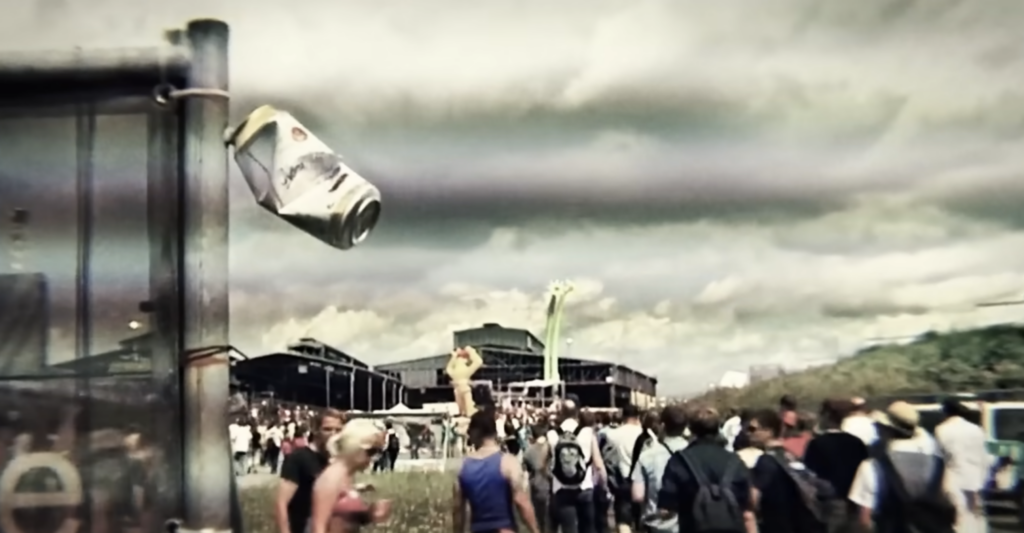
As more people arrived, movement became painfully slow. Some festival goers reportedly needed around 90 minutes to move only about 65 feet, while the crowd near the tunnel became increasingly dense.
By the afternoon, police closed entrances because the pressure was becoming too dangerous. Unfortunately, people were still being pushed toward the same restricted area, and communication between officials became increasingly difficult.
Then the crowd surged.
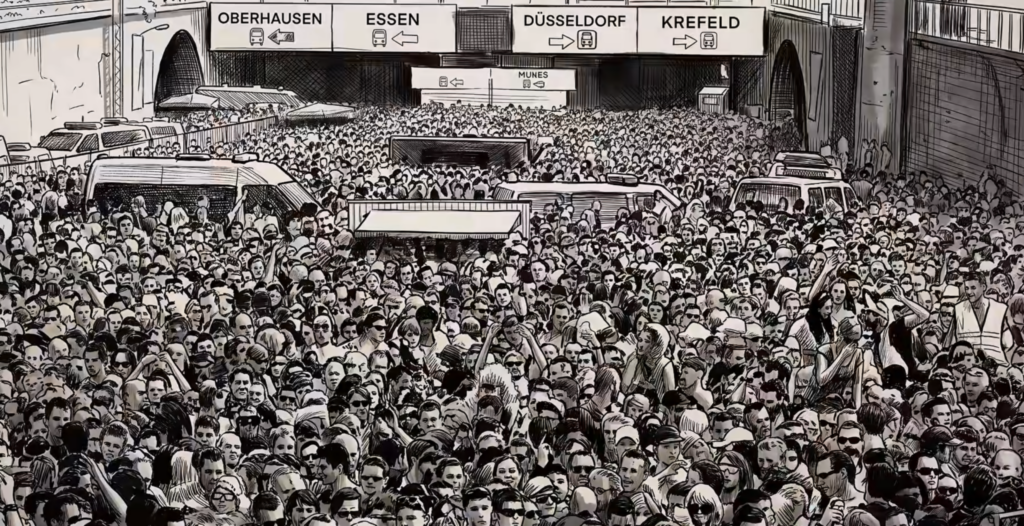
Thousands of people found themselves moving toward a police blockade with nowhere else to go. The pressure increased until people could no longer control their own movements, and some were lifted from their feet by the force surrounding them.
People Were Trapped
At extreme crowd densities, falling becomes especially dangerous because there is little room to stand back up. People can become compressed against one another, making it increasingly difficult to breathe.
The disaster quickly became a fight for survival.
Some people attempted to escape by climbing fences, stairs and other structures. Others tried to move sideways through the crowd, searching for areas where the pressure was lower.
Emergency workers began arriving, but reaching the victims was extremely difficult because thousands of people still occupied the surrounding area. Ambulances and rescue teams struggled to move through the enormous crowd.
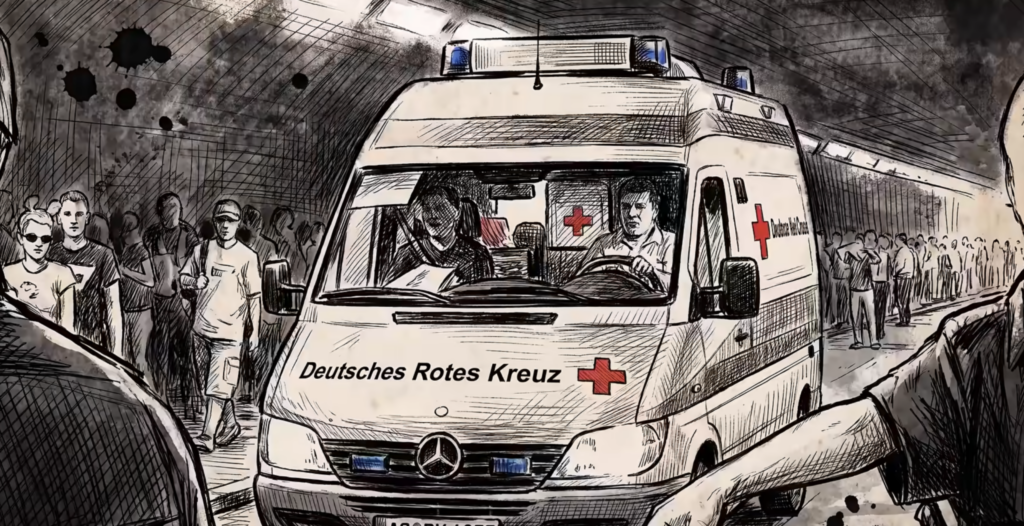
Then came another disturbing decision.
The Music Continued
Even after people had died, music continued playing inside the festival grounds. Authorities feared that abruptly stopping the event could create another dangerous surge, so the festival was gradually brought under control instead of being immediately shut down.
Some attendees did not realize what had happened until much later.
By the time the area was finally cleared, 21 people had lost their lives and hundreds had suffered injuries. Many survivors were left with severe psychological trauma that lasted for years.
A Search for Accountability
In the years that followed, investigators and prosecutors examined how the disaster had been allowed to happen. Charges were eventually brought against several city and event employees, but the legal process became extremely complicated.
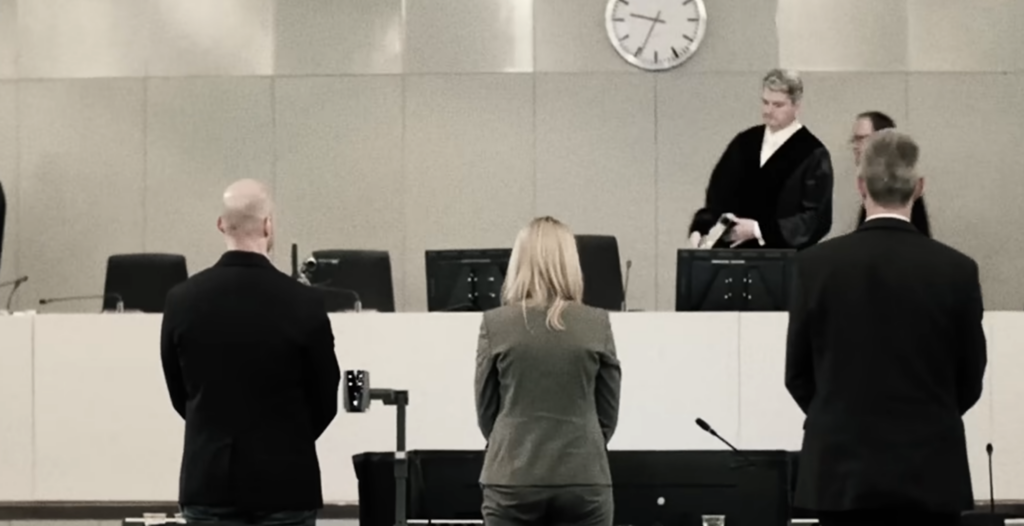
The trial lasted for years and involved enormous amounts of evidence. Eventually, the proceedings ended without a criminal conviction, leaving many victims’ families deeply frustrated.
The disaster also raised broader questions about responsibility. When hundreds of decisions are made by different officials, organizers and authorities, determining exactly who is legally responsible can become incredibly difficult.
Remembering the Victims
For survivors, however, the tragedy never truly ended. Some continued to experience post traumatic stress, while crowded spaces, loud music and the sound of footsteps could bring back memories of that terrifying afternoon.
The former festival site eventually became associated with remembrance rather than celebration. A memorial was established after protests and public pressure, ensuring that the victims would not simply become another forgotten statistic.
The Love Parade disaster remains a powerful warning about what can happen when crowd capacity, communication and emergency planning are treated as secondary concerns. When too many people are forced into too little space, a celebration can become a deadly trap within minutes.