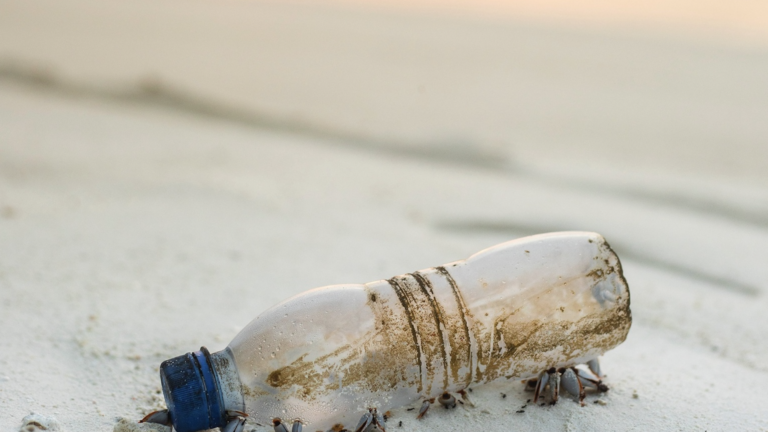
For decades, plastic has been building up across the planet. It fills landfills, floats through oceans, and has even been discovered in drinking water, food, and the air around us. Since large scale plastic production began, humans have created more than 8.3 billion metric tonnes of plastic, with millions of tonnes entering the oceans every year.
Because most plastics break down extremely slowly, pollution continues to grow. Some types of plastic can remain in the environment for hundreds of years, creating a problem that seems almost impossible to solve.
However, scientists may have discovered a surprising ally in the fight against plastic waste: bacteria that can actually eat plastic.
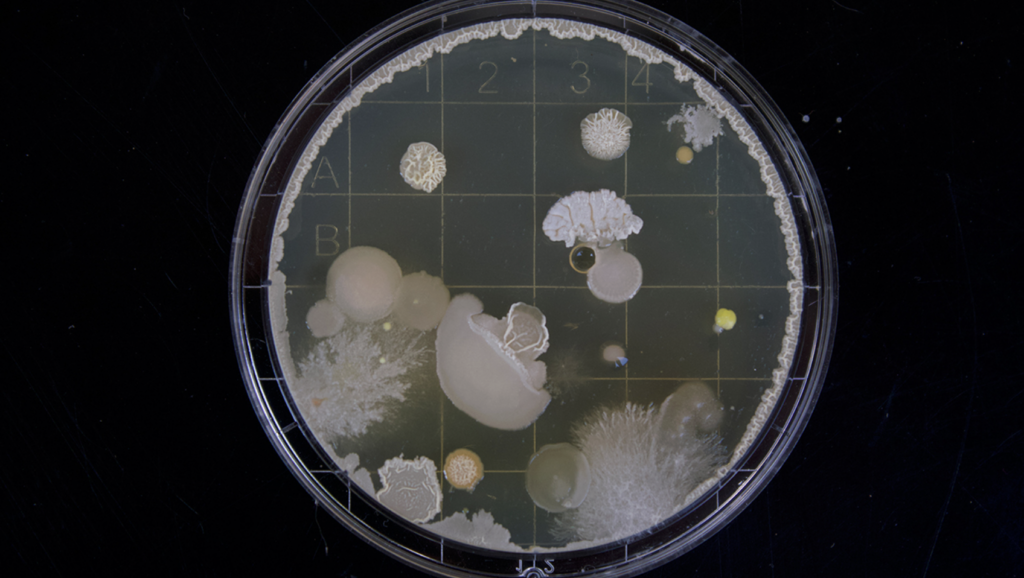
Researchers in India have discovered two strains of bacteria in the wetlands of Greater Noida that are capable of breaking down polystyrene, a type of plastic commonly used in many everyday products. Polystyrene is found in items such as disposable cutlery, plastic packaging, shopping bags, and other single use plastics.
The reason polystyrene is such a major environmental problem is because it is highly resistant to natural degradation. In landfills, it can survive for centuries without fully breaking down. But these newly discovered bacteria have shown the ability to attack the material and transform it into simpler substances.
When the bacteria come into contact with plastic, they create a protective layer called a biofilm on the surface. This process increases the activity of special enzymes produced by the bacteria, allowing them to break down the plastic structure more effectively.
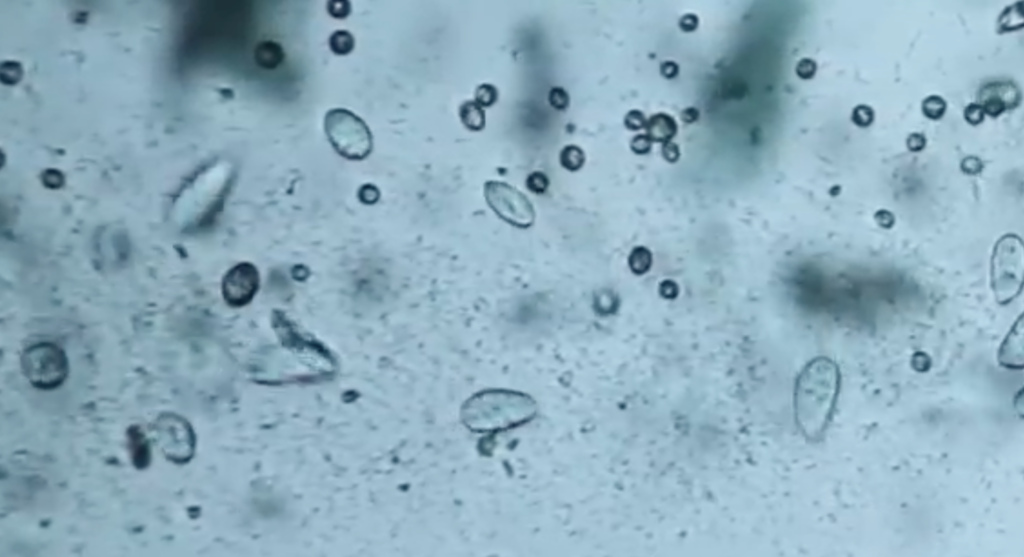
The discovery was made in wetlands, which scientists believe could be one of the best places to search for new solutions to environmental problems. Wetlands contain some of the most diverse bacterial ecosystems on Earth, and many of these environments remain unexplored. Hidden inside these ecosystems could be countless microorganisms with abilities that scientists have not yet discovered.
This is not the first time researchers have found unusual organisms that can help fight plastic pollution. Scientists have previously developed modified enzymes capable of breaking down plastic bottles in a matter of days instead of centuries. Researchers have also studied wax worms, which are able to consume and digest certain types of plastic.
Although plastic eating bacteria are not a complete solution yet, they could become an important tool in future cleanup efforts. Scientists are still studying how these bacteria work, how quickly they can break down plastic, and whether they can be used safely on a large scale.
Cleaning up the millions of tonnes of plastic already polluting the planet will require many different approaches, including reducing plastic production, improving recycling, and developing new technologies. But discoveries like these show that nature may already contain some of the solutions humans need.
A tiny organism hidden in an Indian wetland could become part of a much bigger fight against one of the world’s largest environmental challenges. The future of plastic pollution may depend on unlocking the abilities of creatures too small to see.