Ants are among the most familiar creatures on Earth, yet scientists continue to uncover abilities that seem almost unbelievable.
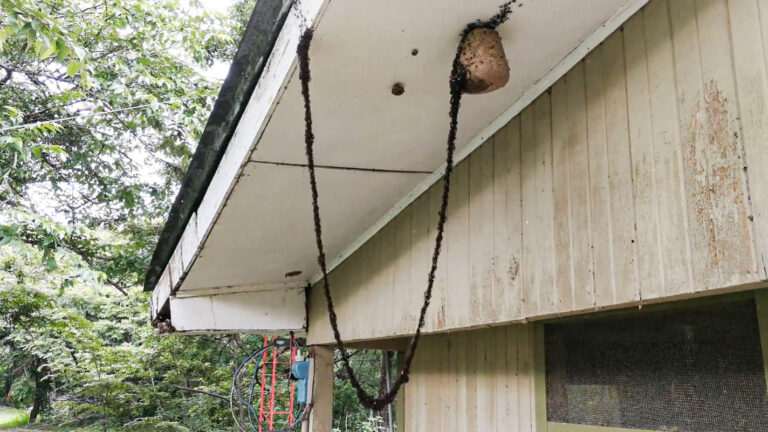
One recent observation left researchers amazed as they watched thousands of ants work together to form a giant living bridge, allowing an entire colony to cross obstacles that would otherwise be impossible to navigate.
At first glance, ants appear ordinary. They are tiny insects that most people only notice when they invade a picnic or find their way into a kitchen. However, beneath their small size lies an extraordinary combination of strength, coordination, and teamwork that has fascinated scientists for decades.
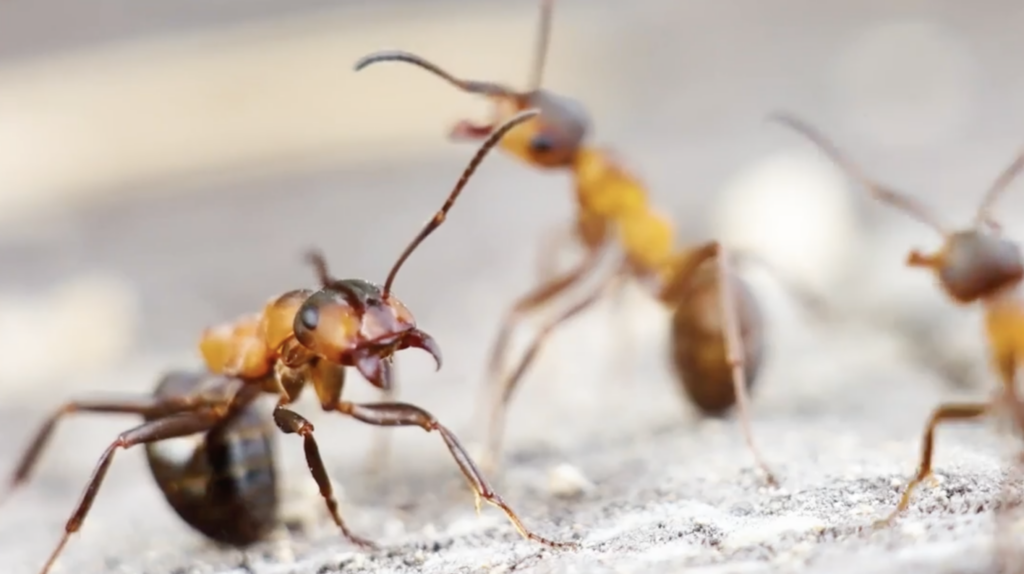
One reason ants are so remarkable is their incredible physical power. Researchers have discovered that certain species possess neck joints capable of withstanding forces thousands of times greater than their own body weight. In a study conducted at Ohio State University, scientists attached ants to a centrifuge that gradually increased the force applied to their bodies.
The results were astonishing. The ants’ necks continued to hold until forces reached between 3,400 and 5,000 times their body weight. To put that into perspective, it would be similar to a human supporting the weight of a large commercial aircraft.
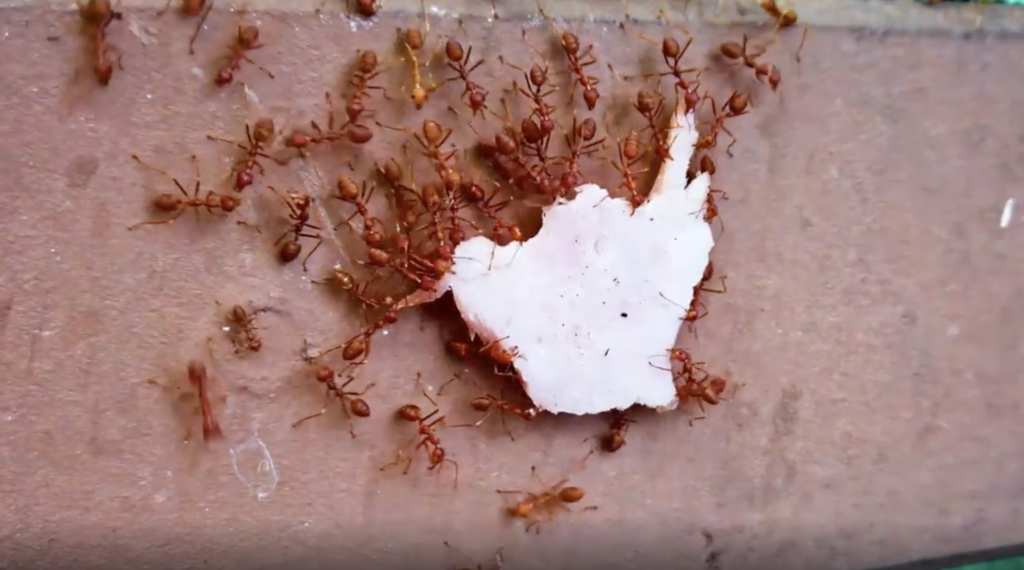
This remarkable strength comes from the way ants are built. Their muscles occupy a relatively large portion of their bodies, allowing them to generate tremendous force despite their small size. As a result, ants can carry prey and objects many times heavier than themselves, including insects, small reptiles, and even young birds.
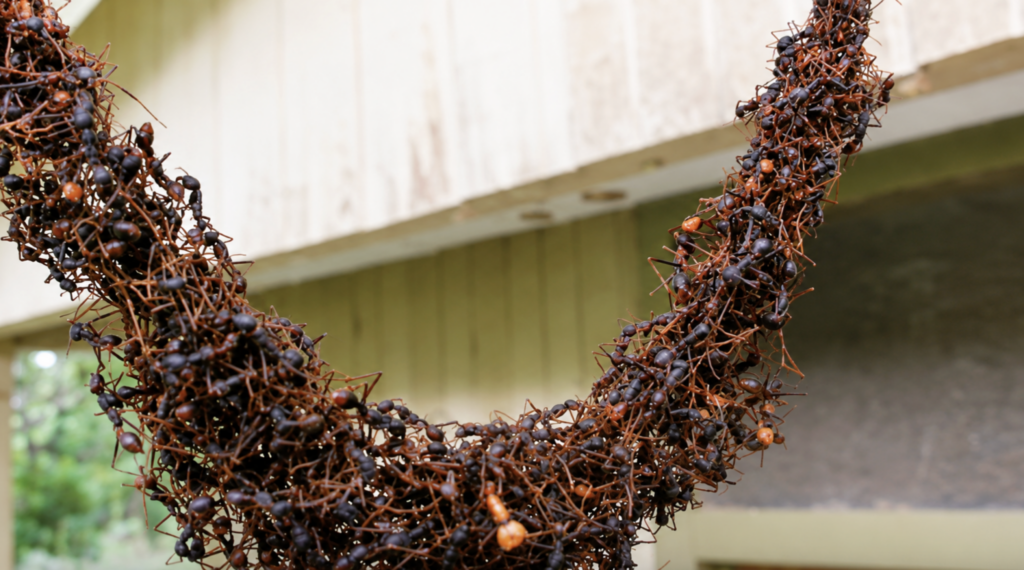
Yet brute strength alone does not explain the giant living bridge that captured scientists’ attention. The real marvel lies in how ants cooperate. Army ants travel in massive colonies that can contain hundreds of thousands of individuals. When these colonies encounter a gap in their path, they do not stop and search for building materials. Instead, they use their own bodies.
The process begins when the first ant reaches an obstacle and slows down. Other ants behind it continue moving forward, causing the first ant to remain in place. Additional ants then join, locking themselves together and creating the foundation of a living structure.
More and more ants add themselves until a bridge forms across the gap. Once complete, the rest of the colony can safely march over the living pathway.
What makes this behavior especially impressive is that no single ant is directing the operation. Each insect follows simple behavioral rules, yet together they create a complex structure that appears carefully engineered. Scientists studying swarm intelligence have long been fascinated by how these tiny creatures accomplish tasks that seem to require planning and design.
Researchers have also found that army ants do not always choose the shortest route. In some cases, they build bridges that appear inefficient from a human perspective.
Rather than minimizing travel distance, the colony balances several factors, including traffic flow and the number of ants required to maintain the structure. This suggests that collective decision making within ant colonies may be more sophisticated than previously believed.
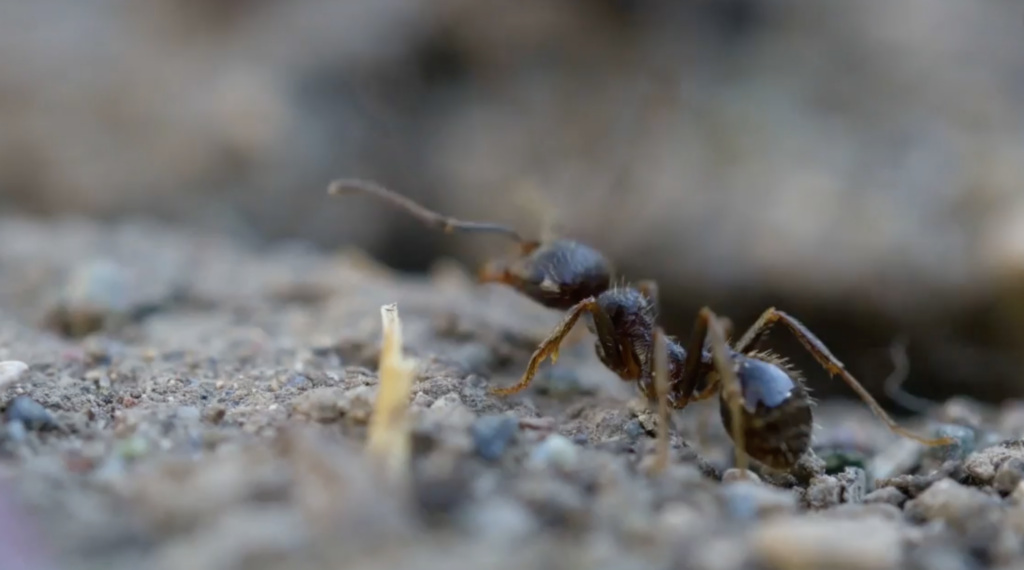
The ability to create living bridges is only one example of how ants work together. Most species live in highly organized colonies ranging from hundreds to thousands of individuals. Underground, they construct intricate networks of tunnels and chambers that serve as nurseries, storage rooms, and living spaces. Every member of the colony has a role, from caring for larvae to gathering food and defending the nest.
Communication is essential to this level of organization. Ants rely on chemical signals known as pheromones to share information. These invisible scent trails can guide nestmates toward food sources, warn of danger, or identify members of the colony. By following these chemical messages, thousands of ants can coordinate their actions with remarkable precision.
The importance of ants extends far beyond their own colonies. Scientists estimate there are trillions of ants living across the planet, with a combined biomass roughly equal to that of all humans.
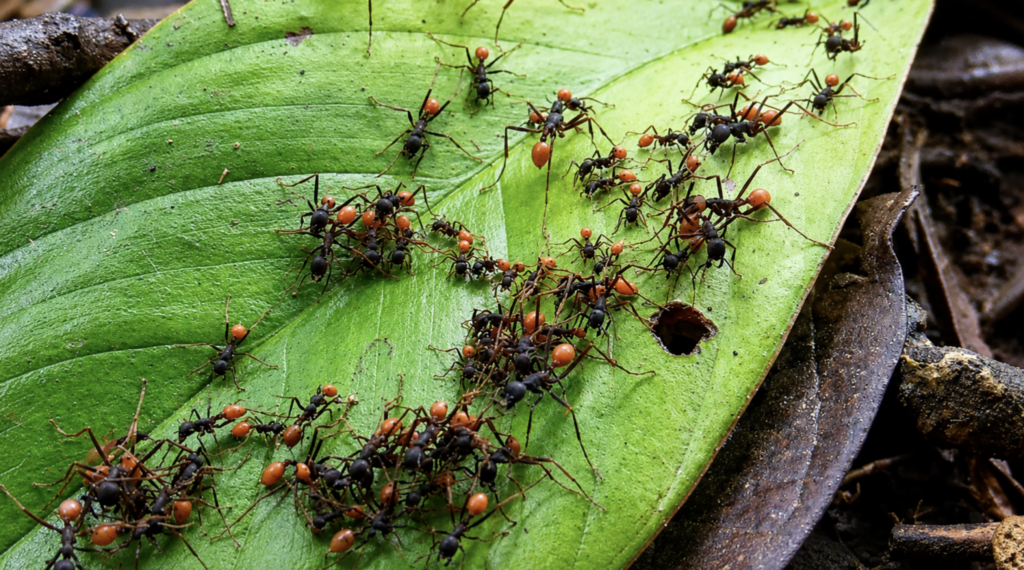
They play critical roles in ecosystems by dispersing seeds, pollinating plants, and recycling nutrients through the soil. Many environments would function very differently without their constant activity.
The discovery of giant living ant bridges continues to inspire researchers in fields ranging from biology to engineering. In fact, studies of ant behavior have helped create new approaches to robotics and collective problem solving. By understanding how simple insects achieve complex goals through cooperation, scientists hope to develop technologies capable of adapting and working together in similar ways.
What began as the observation of a group of tiny insects crossing a gap has become a powerful reminder that size is not always a measure of capability. The giant ant bridge demonstrates that when thousands of individuals work together, they can accomplish feats that seem almost impossible. For scientists, it is yet another example of how nature continues to surprise us with solutions more ingenious than anything humans could have imagined.