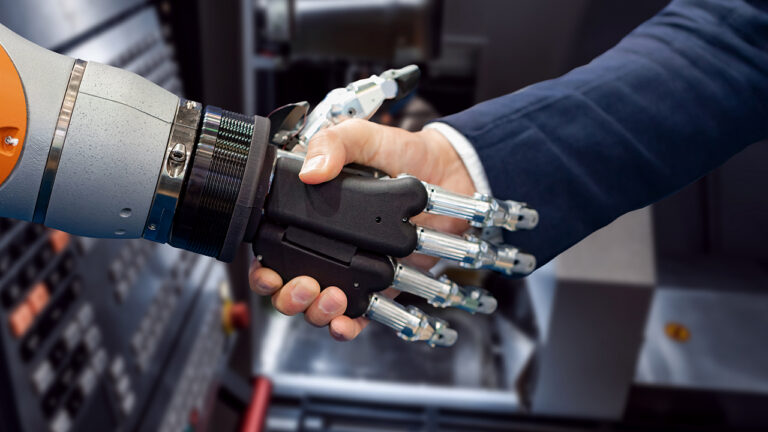
For decades, engineers have been working to make robots more like humans. Artificial intelligence has allowed machines to think more intelligently, while advanced engineering has helped them move with incredible precision. Some robots can even mimic human facial expressions and body language.
Now, scientists have achieved another remarkable milestone by giving robots something they have never truly had before: the ability to feel.
Researchers have developed a synthetic skin that mimics some of the functions of human skin. Human skin contains about five million sensory receptors that constantly send information to the brain. These receptors allow people to sense pressure, temperature, touch, pain, and movement, making everyday tasks possible without even thinking about them.
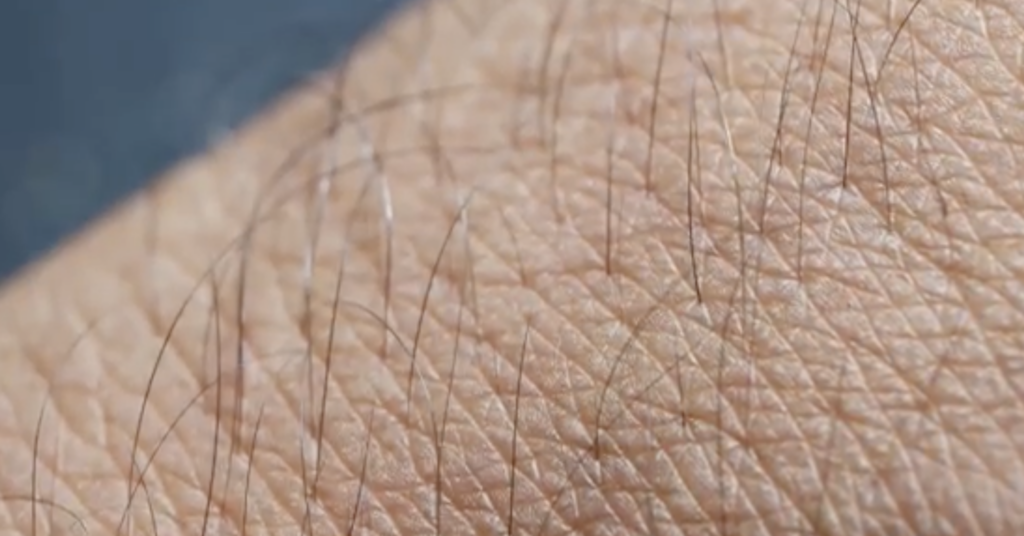
The new robotic skin replaces those biological receptors with more than 13,000 advanced sensors. These sensors can detect pressure, temperature, acceleration, and how close nearby objects are. Instead of simply carrying out programmed instructions, robots equipped with this skin can gather information about their surroundings and react almost instantly when they come into contact with something.
Giving robots the ability to feel is about much more than making them seem more human. As robots begin working more closely alongside people, safety has become one of the biggest concerns. Many industrial robots are incredibly strong and capable of lifting heavy objects with ease. Without the ability to sense touch, they may not realize they are pushing too hard or have accidentally come into contact with a person.
Artificial skin changes that. A robot can detect when it touches an obstacle, measure how much force it is applying, and immediately adjust its movements. Instead of gripping an object too tightly and damaging it, the robot can hold it with just enough pressure. More importantly, it can avoid accidentally injuring the people working nearby.
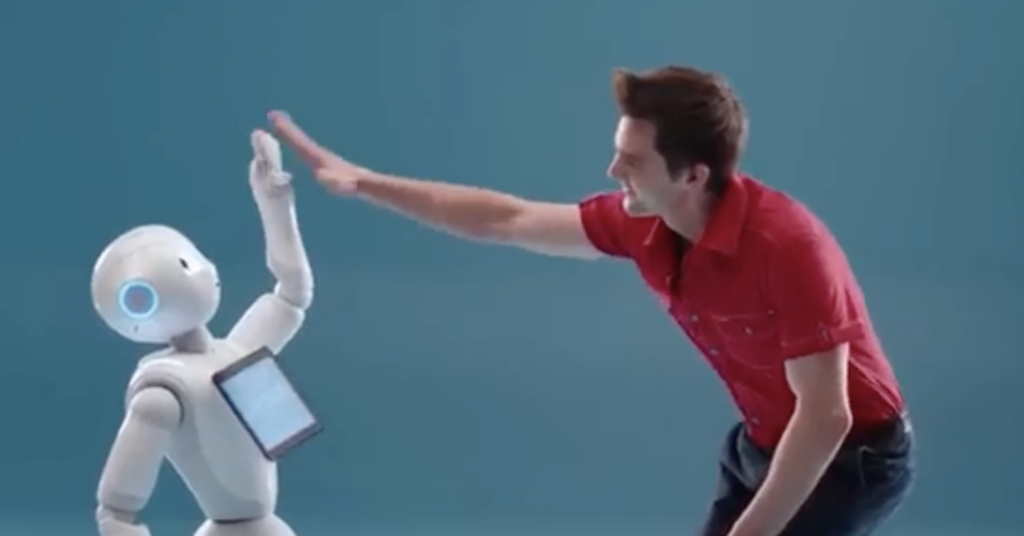
This new sense could dramatically expand the jobs robots are able to perform. In hospitals, they could safely assist doctors and nurses during medical procedures or help patients who need physical support. In nursing homes, robots could help elderly people with everyday tasks that require a gentle touch. Factories could also benefit from robots capable of handling fragile products without breaking them while making workplaces safer for human employees.
Scientists also believe robots with a sense of touch could become trusted companions in the future. Whether helping someone stand up, handing over delicate objects, or simply offering a comforting hug, robots would be able to interact with people much more naturally than ever before.
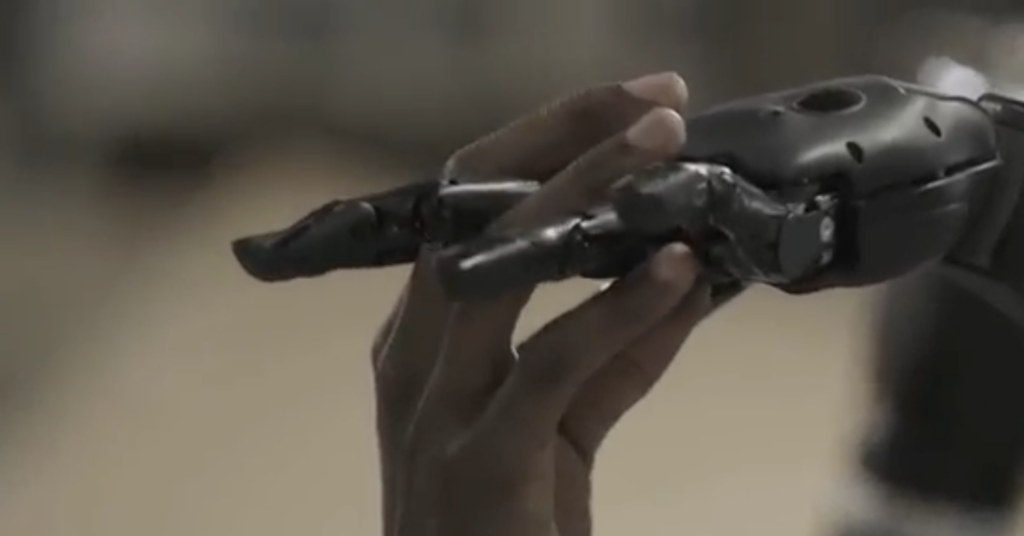
Although robots still cannot experience emotions the way humans do, giving them the ability to sense touch is a major technological breakthrough. Every improvement in artificial skin makes robots more aware of the world around them and better equipped to work safely alongside people.
As this technology continues to improve, the robots of tomorrow may not only think and move more like humans, but they may also understand the physical world through touch. That single new sense could change what robots are capable of and reshape the way people and machines work together in everyday life.