Death remains one of humanity’s greatest mysteries.
For centuries, people have wondered what happens in the final moments of life. Some survivors of near death experiences describe seeing a bright light, feeling separated from their bodies, or watching memories from their lives appear all at once.
But what if the brain does something even more surprising?
New research into consciousness during death suggests that some people may remain aware during the moments when their heart stops beating and their body appears to shut down.
Scientists studying survivors of cardiac arrest have discovered unusual cases where patients reported experiences that occurred while doctors were trying to revive them.
During cardiac arrest, the heart stops pumping blood throughout the body. Without oxygen reaching the brain, normal brain activity can quickly disappear. Traditionally, scientists believed that without brain function, conscious awareness could no longer exist.
However, some survivors reported hearing conversations, seeing medical staff working around them, and being aware of their surroundings during the resuscitation process.
In some cases, researchers found signs that conscious experiences may have occurred several minutes after the heart stopped.
These findings have created new questions about the relationship between the brain and consciousness.
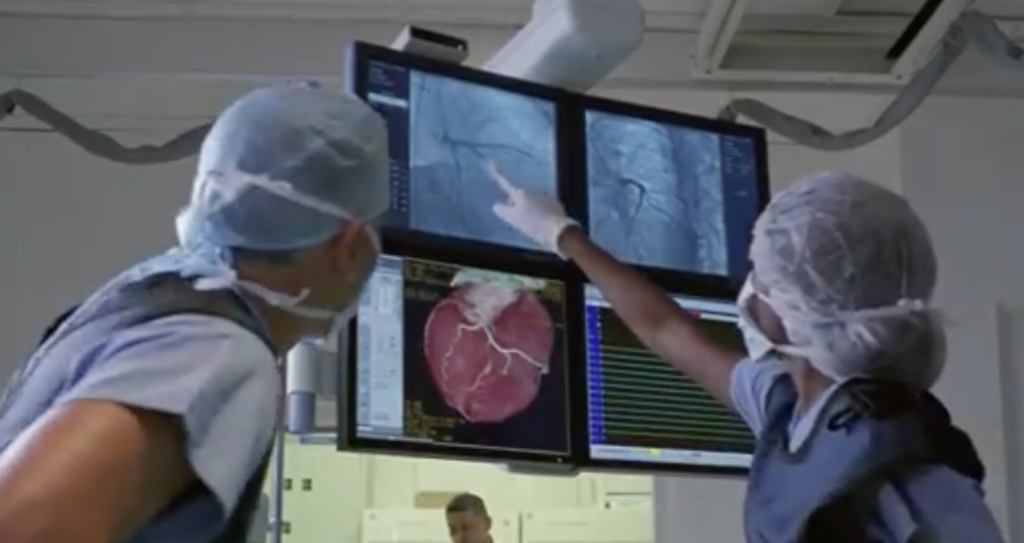
Some researchers have suggested that consciousness may be more complicated than simply being a product of brain activity. They are investigating whether the human mind could continue functioning for a short period even when the brain appears inactive.
However, scientists still do not fully understand these experiences. Some researchers believe they may be caused by remaining brain activity that current technology cannot detect, while others continue exploring different explanations.
Beyond the mystery of consciousness, this research could have a major impact on saving lives.
Cardiac arrest is extremely dangerous because every second without oxygen increases the risk of permanent brain damage. Even patients who survive can experience memory problems, disabilities, or other neurological issues.
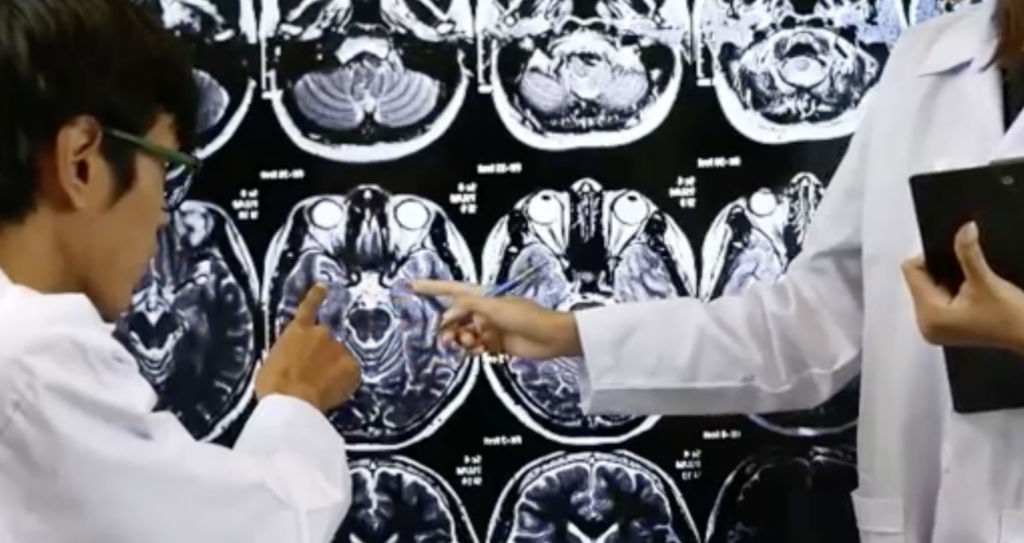
One of the biggest challenges doctors face is determining exactly how much oxygen the brain needs during CPR. Too little oxygen can cause damage, but too much oxygen after resuscitation may also create problems.
By studying what happens inside the minds of cardiac arrest survivors, doctors hope to improve emergency treatments and develop better methods for protecting the brain.
Researchers are examining how consciousness responds during the process of resuscitation and how different medical techniques affect recovery.
The goal is not only to understand what happens when people die, but also to increase the chances of bringing them back safely.
The moments between life and death may hold important clues about the human brain, consciousness, and survival.
While science has not yet answered what happens after death, these discoveries suggest that the final moments of life may be far more complex than anyone once imagined.