For Jang Ae-Jin and her classmates, the trip was supposed to be a celebration of their final years of high school. They were traveling by ferry to Jeju Island for a long awaited school trip, expecting a few days of freedom before returning to exams and everyday life. Instead, their journey became one of the deadliest maritime disasters in modern South Korean history.
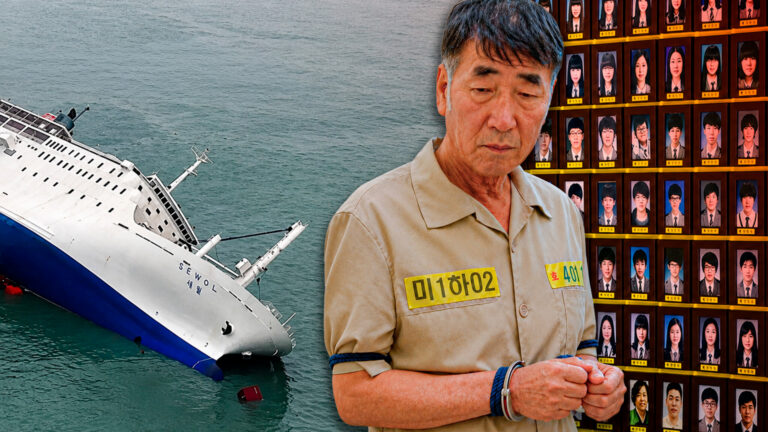
On April 16, 2014, the Sewol ferry was carrying hundreds of passengers when disaster struck. The vessel had undergone modifications that increased its weight higher up, while large amounts of cargo were reportedly improperly secured. These factors made the ferry dangerously unstable, leaving little room for error.
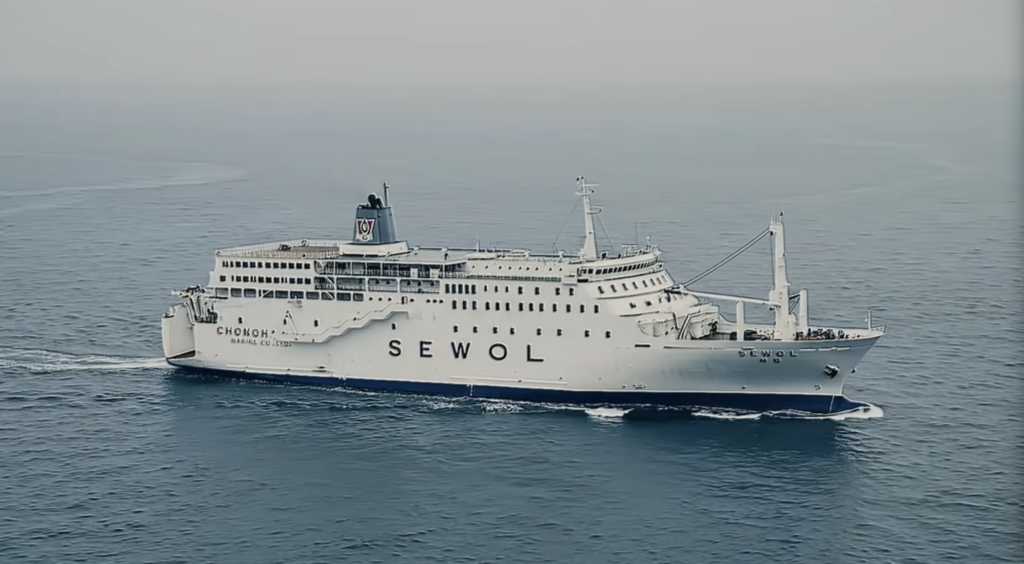
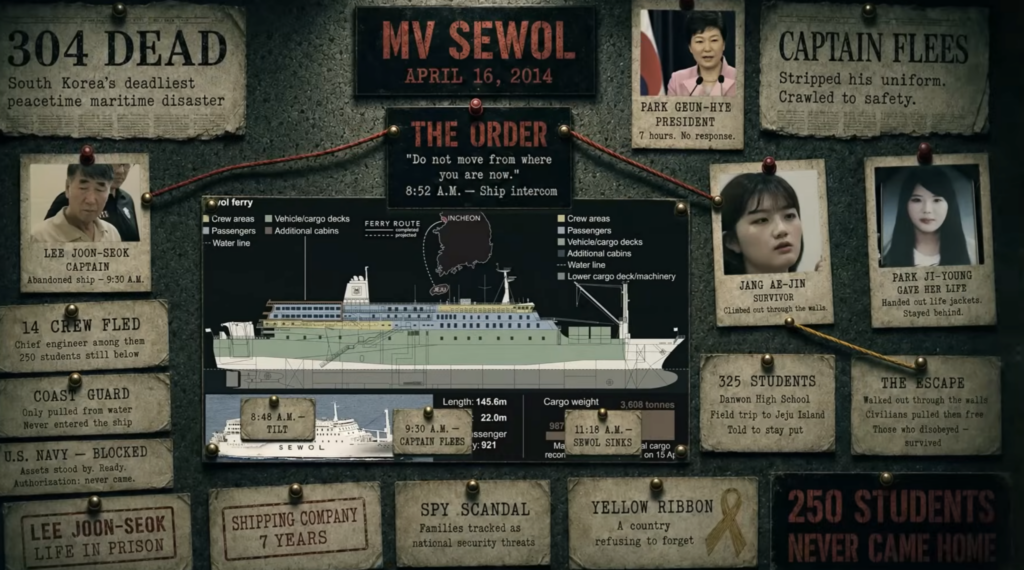
At around 8:48 A.M., the Sewol made a sudden turn while traveling through the Maenggol Channel, an area known for its strong currents. Captain Lee Joon seok was not at the helm at the time, leaving navigation to a less experienced officer. Almost immediately, something went terribly wrong.
The ferry suddenly tilted, sending unsecured cargo sliding across the ship. Furniture and heavy objects crashed into walls as passengers struggled to remain standing. In the cafeteria, Jang and her classmates noticed that their soup had tilted inside their bowls, but nobody initially understood how serious the situation was.
Then came the announcement that would become one of the most devastating parts of the disaster.
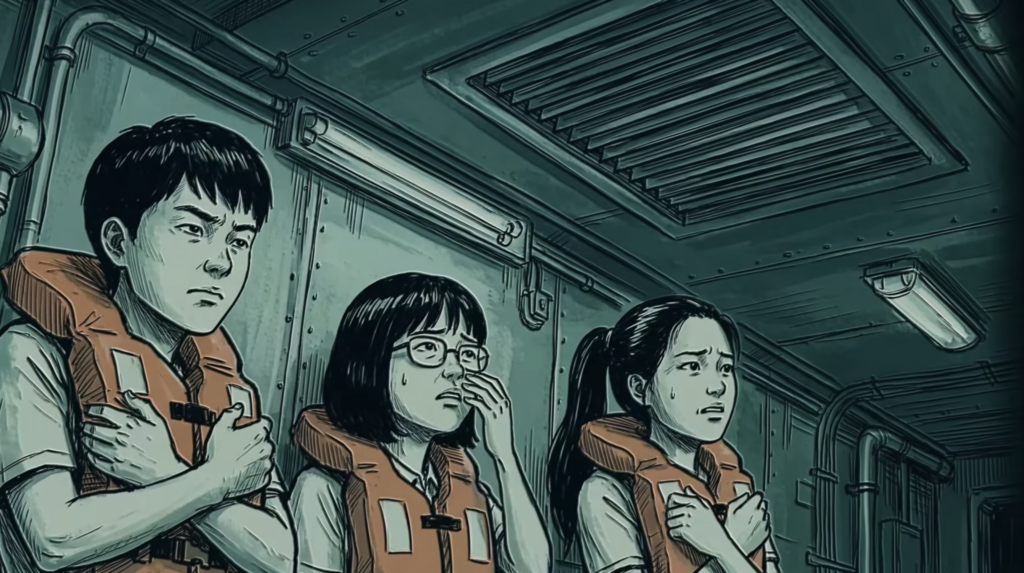
Passengers were told to stay where they were and not move because leaving their locations was supposedly more dangerous. For the students, following the instruction seemed completely natural. They had been taught from childhood to trust authority during emergencies, and many believed that the crew knew exactly what they were doing.
But the ferry was continuing to tilt.
As the angle became steeper, hallways turned into walls and doors became increasingly difficult to reach. Water began entering the vessel, while students wearing life jackets waited inside their cabins and watched rescue boats approaching from outside. Some passengers began realizing that staying put might be more dangerous than escaping.
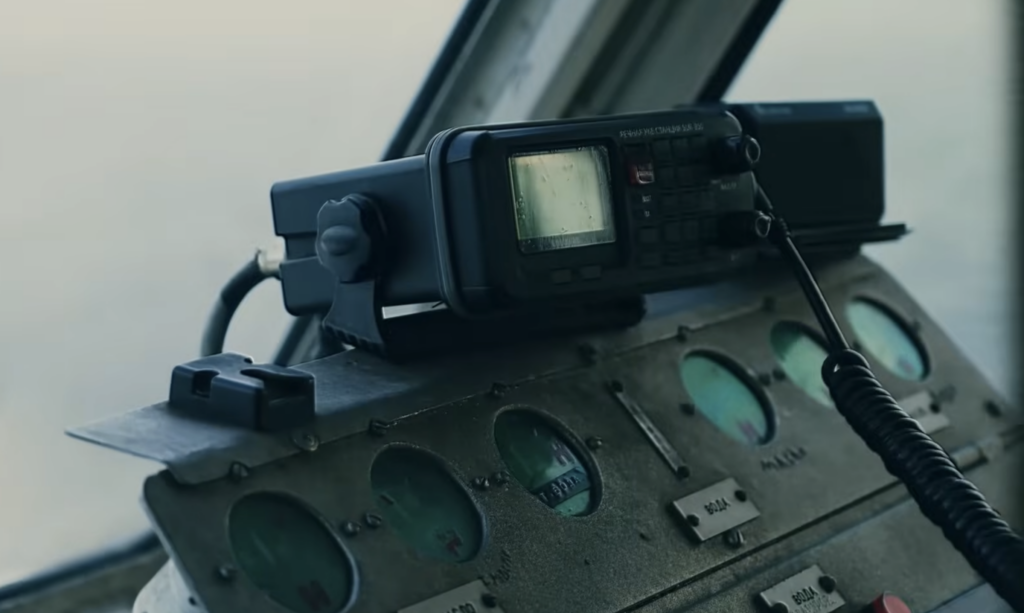
Around 9 A.M., the situation was deteriorating rapidly. Communication between the Sewol and the Korean Coast Guard became increasingly confused, while the original instruction to remain inside continued reaching passengers. The correction they desperately needed never came clearly enough.
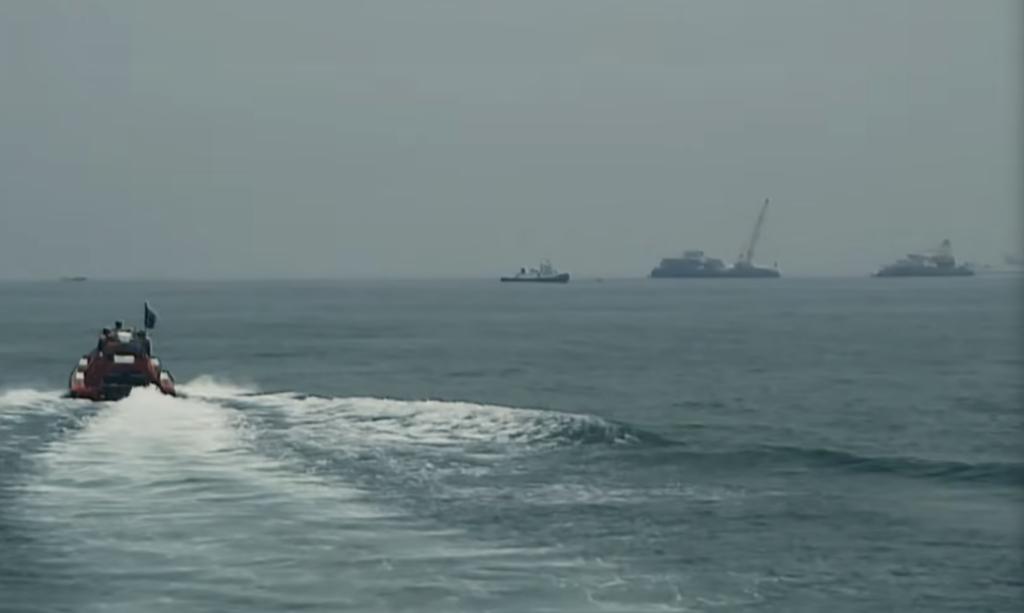
Outside, civilian boats and rescue vessels began pulling survivors from the water. Some passengers managed to escape by jumping overboard, while others were helped from the increasingly tilted ferry. But hundreds remained trapped inside.
By approximately 9:30 A.M., the Sewol had tilted so severely that moving through the interior was almost impossible. Passengers had to climb through corridors that had effectively become vertical surfaces, while water continued rushing into the lower sections of the ship.
One of the most shocking developments was the captain’s escape. Lee Joon seok was among the first people rescued, leaving the vessel while many passengers, including schoolchildren, remained trapped inside. Other crew members also abandoned the ferry, leaving passengers without the leadership they had been instructed to trust.
Jang Ae jin and several classmates eventually managed to find a way out. They climbed through the dramatically tilted interior and reached an area where civilians helped pull survivors to safety. For many others, however, there was no escape.
At around 11:18 A.M., the Sewol disappeared beneath the water. Of the 476 people aboard, 304 died, including 250 of the 325 Danwon High School students on the trip.
The disaster triggered enormous anger across South Korea. Families were devastated not only by the deaths, but by the belief that many of those trapped might have survived if they had received different instructions or if the rescue response had been faster and better coordinated.
The Sewol tragedy became a national symbol of institutional failure, negligence and the dangers of blindly following authority during a rapidly developing emergency. For survivors like Jang Ae jin, the memories never disappeared.
The students had boarded the ferry expecting a once in a lifetime adventure. Instead, hundreds never came home, and the words “Stay where you are” became forever associated with one of South Korea’s darkest days.