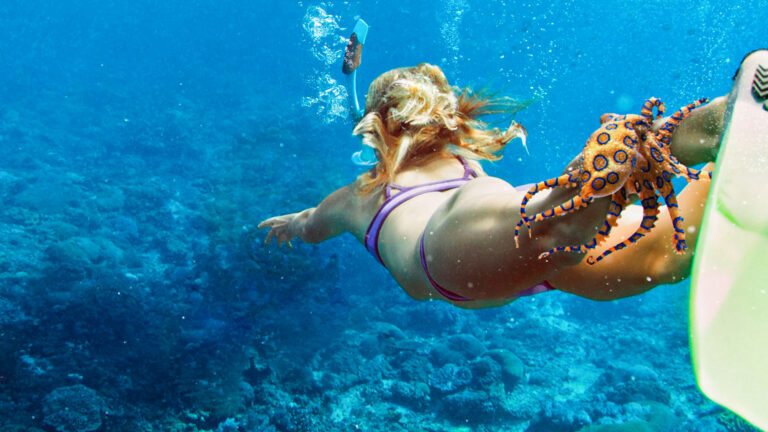
This small, cute looking creature is one of the most dangerous animals in the ocean.
It hides on shallow reefs, blending into its surroundings. While snorkeling or walking near the shore, you might not even notice it until it is too late. A single bite can turn into a life threatening emergency within minutes.
So what do you do if it happens?
Here is how to survive a blue ringed octopus bite.
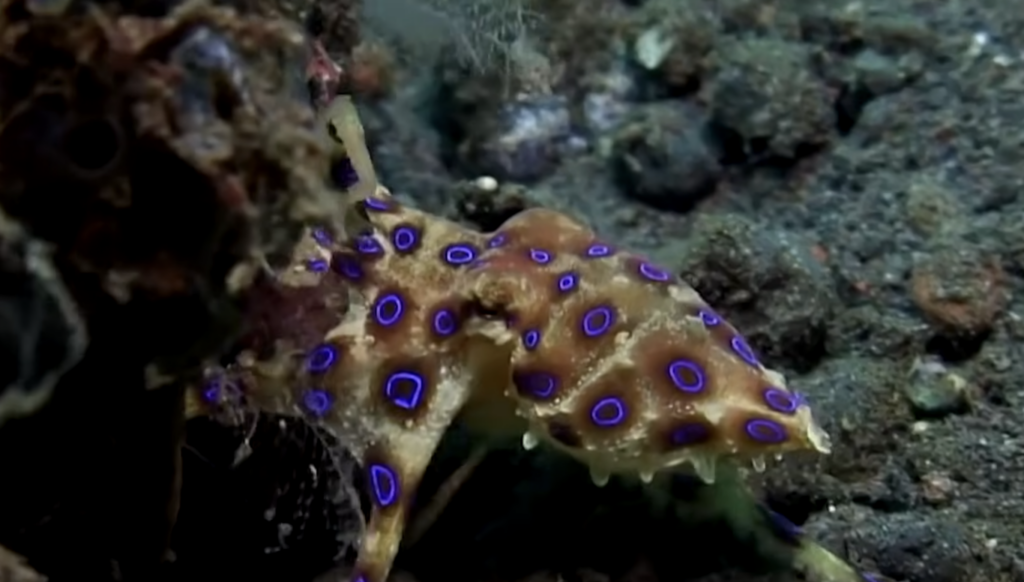
The blue ringed octopus is most commonly found along the southern coast of Australia. It is extremely small, usually only 4 to 6 centimeters long, but it carries enough venom to kill multiple adult humans within minutes.
There is currently no widely available antidote for its venom. That is what makes it so dangerous.
Step 1: Recognize the warning signs
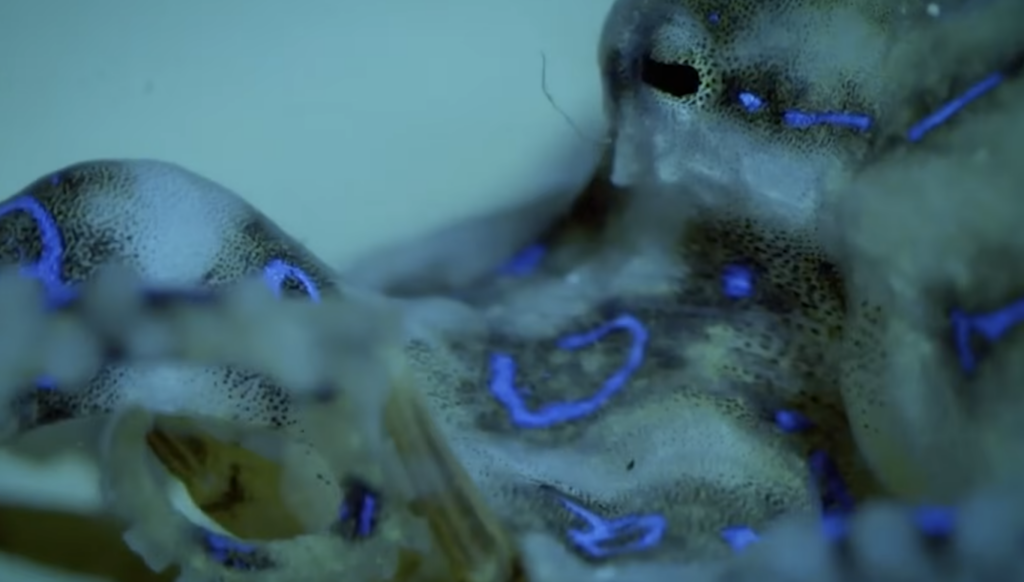
The blue ringed octopus gets its name from the bright blue rings that appear on its body.
These colors are not always visible. When the animal feels threatened or is preparing to attack, the rings become bright and highly noticeable.
This is a warning signal.
Its venom contains tetrodotoxin, a powerful toxin that blocks nerve signals. The victim remains conscious but loses control of their muscles, including those needed for breathing.
Step 2: Do not touch anything near the water
Most bites happen when people accidentally touch or pick up the animal while collecting shells or handling objects in shallow water.
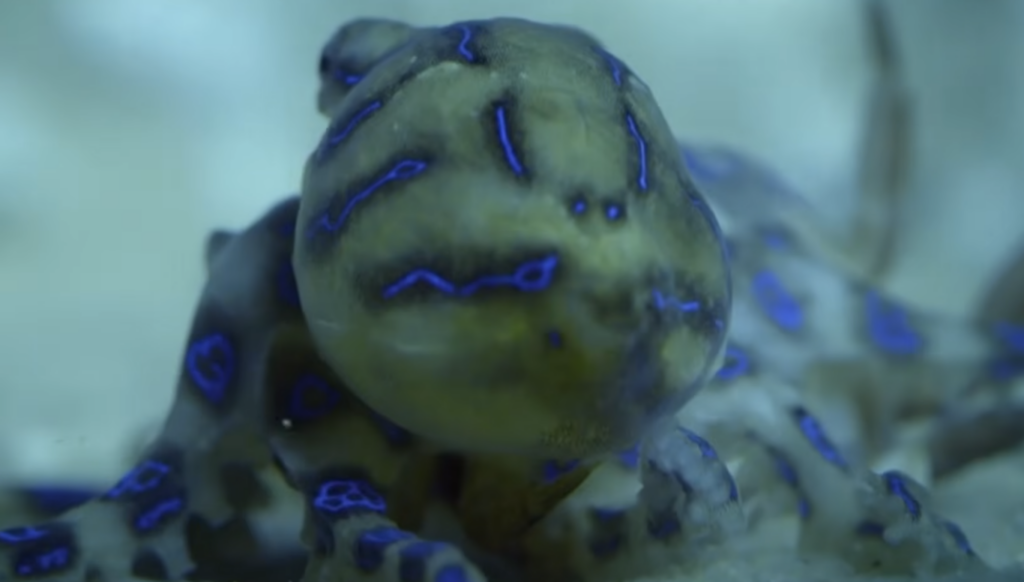
Because the octopus is a master of camouflage, it often hides in shells, rocks, or debris. There have been real cases where people picked up what looked like harmless objects, only to be bitten moments later.
If you are near the shoreline, keep your hands away from unknown marine life and avoid picking things up from the water.
Step 3: Call for emergency help immediately
The effects of the venom can begin within minutes. Early symptoms may include numbness, difficulty moving, and changes in vision.
The most dangerous stage comes when the respiratory muscles begin to fail. At this point, survival depends on immediate medical care.
Call emergency services right away and get the victim to a hospital as fast as possible.
Step 4: Perform CPR if breathing stops
If the person stops breathing, CPR becomes critical.
Since the venom can paralyze the muscles used for breathing, artificial support is often the only way to keep oxygen flowing until medical help arrives.
Quick action can make the difference between life and death.
Step 5: Protect your feet and avoid handling wildlife
Many bites occur when people step on or pick up the octopus without realizing it is there.
Wearing protective footwear near rocky shorelines or shallow reefs can significantly reduce the risk of accidental contact.
One recorded case involved a fisherman who was bitten on the foot after stepping too close to a hidden octopus. He survived thanks to rapid medical assistance.
The key rule is simple. Do not touch what you cannot clearly identify.
Step 6: Stay calm and keep distance
Blue ringed octopuses are not aggressive by nature. They do not actively chase humans. Bites usually happen only when they are provoked, stepped on, or handled.
If you see one, do not attempt to interact with it. Slowly move away and give it space. You have now learned how to survive a blue ringed octopus bite.
But the ocean is full of other dangers lurking beneath the surface. Some creatures can even pierce boats with their tails.
What happens when you face a stingray in the wild?