On a dark December night in 1995, a routine commercial flight turned into one of the most devastating aviation disasters in modern history. What began as a standard descent into Cali, Colombia, quickly escalated into confusion, disorientation, and ultimately a catastrophic collision with the Andes Mountains.
Moments after the crew of American Airlines Flight 965 announced their approach, the aircraft began to shake violently. The smooth descent transformed into a terrifying struggle for control as warning systems activated inside the cockpit. Outside the windshield, there was nothing but darkness and unfamiliar terrain.

Passengers were thrown into panic as the plane lost its sense of direction. Some prayed, others held onto their seats as turbulence intensified. In the cockpit, the pilots fought desperately to understand their position while automated alerts warned them of imminent danger.
At nearly 500 km/h (300 mph), the aircraft was unknowingly flying deeper into mountainous terrain.
Just moments earlier, air traffic control had cleared the flight for descent. But a series of miscommunications and assumptions had already set a deadly chain of events in motion.
The aircraft, a Boeing 757, was considered one of the most advanced commercial planes of its time, operated by experienced pilots. Yet even advanced technology and skilled crews can fail when critical information is misunderstood or missing.
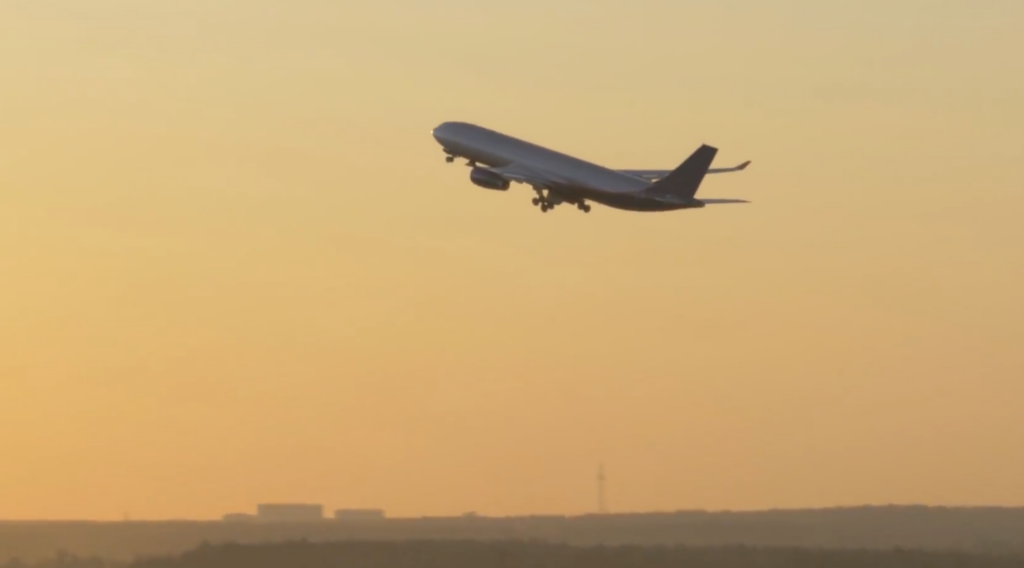
As the situation developed, confusion between cockpit and air traffic control began to grow. The instruction “direct to Cali” was interpreted in a way that removed important navigational reference points from the aircraft’s system. At the same time, ground radar limitations in the region meant air traffic controllers were relying heavily on pilot position reports that would soon stop coming.
This breakdown in communication created a dangerous gap. Both sides believed they understood the situation, but neither had a complete picture.
The crew attempted to adjust their approach, deploying systems designed to help reduce speed and align for landing. However, these changes unintentionally made recovery more difficult when the aircraft’s true position relative to the mountains became clear.
Within minutes, the flight was flying toward rising terrain in the Andes without a viable escape path.
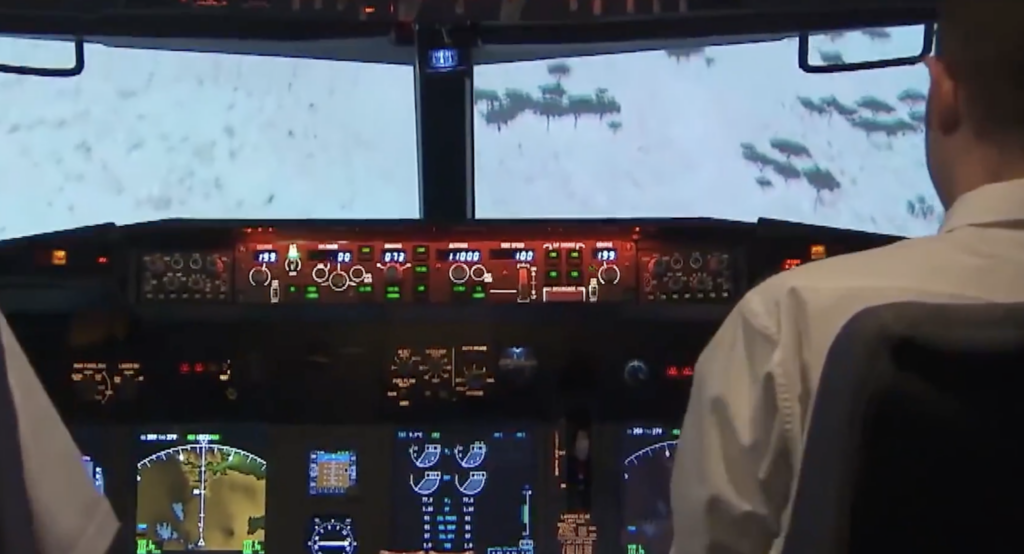
The ground proximity warning system activated, alerting the pilots to the danger ahead. Emergency actions were taken immediately, but the aircraft’s altitude and trajectory left little room for recovery.
In the final moments before impact, passengers experienced extreme turbulence and confusion as the aircraft fought against gravity and terrain it could not see.
The plane ultimately struck mountainous terrain in the Andes near the Colombia Ecuador border, breaking apart on impact.
Rescue operations were delayed due to the remote location and nighttime conditions. It took hours before search teams could reach the crash site and assess the damage.
Out of 163 people on board, only a small number initially survived the impact. Against overwhelming odds, a few passengers managed to survive the crash and the harsh conditions that followed.
Among them were individuals who would later describe waking up amid wreckage, injured and disoriented, surrounded by the remains of the aircraft and the steep slopes of the mountain.
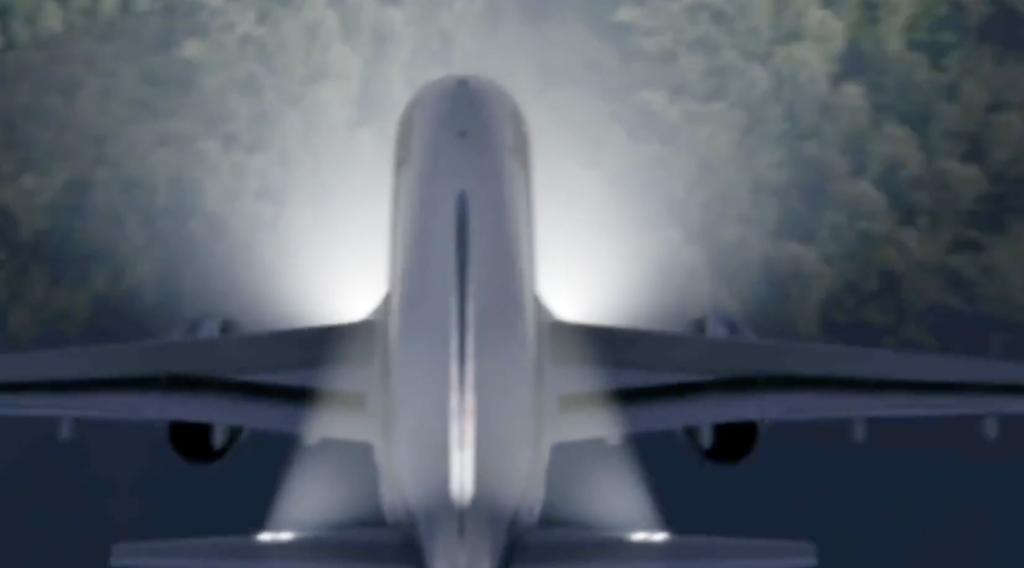
Survival in the aftermath required navigating broken terrain, severe injuries, and isolation while awaiting rescue in one of the most difficult environments imaginable.
Investigators later determined that the tragedy was the result of a combination of human error, communication breakdowns, and insufficient terrain awareness systems. A key factor was the absence of accurate real time radar coverage in the region, which limited the ability of air traffic control to track the aircraft precisely.
Another contributing issue was how navigational instructions were interpreted and executed inside the cockpit, leading to a deviation from the intended flight path.
In the years following the crash, aviation safety procedures were significantly improved. Modern aircraft are now equipped with advanced Terrain Awareness and Warning Systems designed specifically to prevent controlled flight into terrain accidents, even in low visibility conditions.
These systems provide real time alerts that help pilots correct their course before a collision becomes unavoidable.
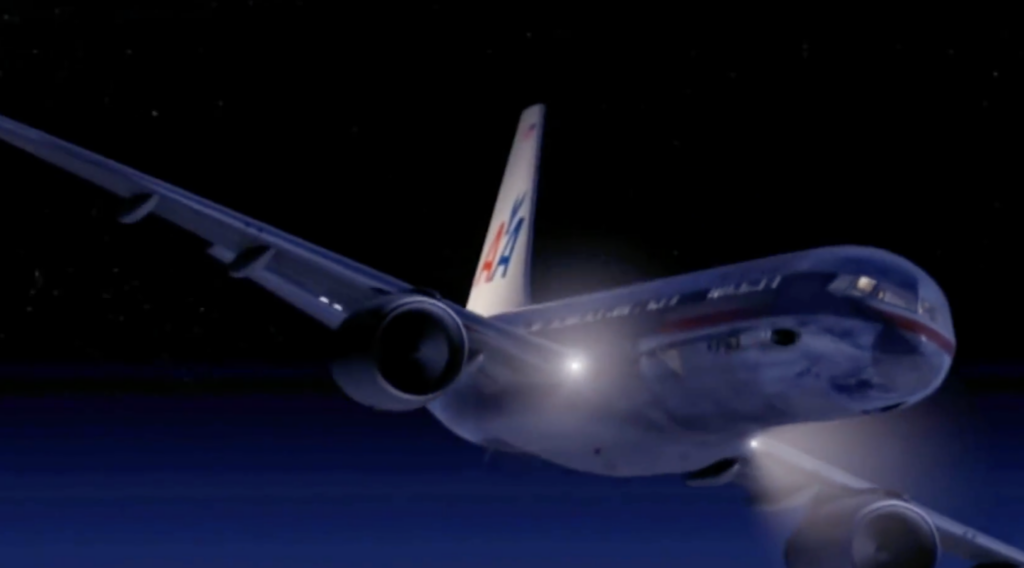
Despite these advancements, the Andes tragedy remains a powerful reminder of how quickly small misunderstandings in aviation can escalate into catastrophic outcomes.
It also stands as a rare example of survival against overwhelming odds, where a handful of passengers managed to endure one of the most unforgiving crash environments on Earth.
Even decades later, the lessons from this event continue to shape how modern aviation prioritizes communication, navigation accuracy, and terrain awareness in flight safety systems.