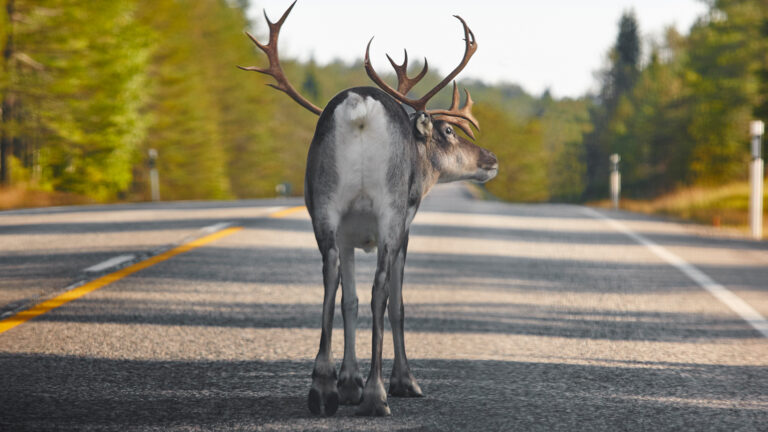
Across the planet, some animals repeat journeys so extreme that they make human endurance look insignificant. They cross continents, oceans, and entire hemispheres just to find food, better weather, or a place to reproduce. Then, against all odds, many of them return home and do it all over again.
So why do they take these impossible trips? How do they survive such long journeys without modern conveniences? And which creatures are the true champions of migration on Earth?
Let’s explore six of the most extraordinary travelers in the animal kingdom.
Number 6: The Ruby Throated Hummingbird
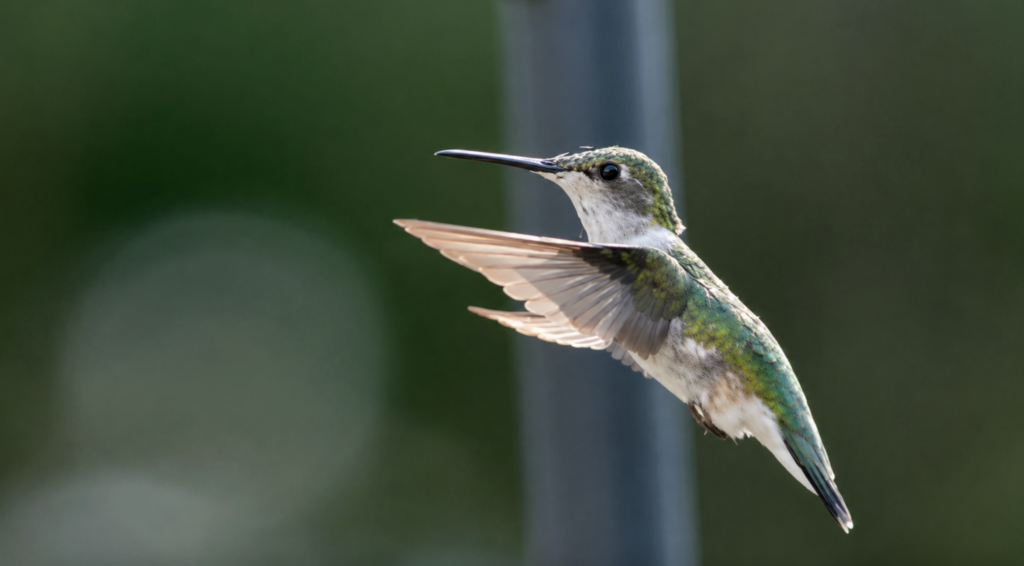
Despite weighing only about 3 grams, the ruby throated hummingbird is capable of one of the most impressive endurance flights in nature. This tiny bird can travel around 800 kilometers in a single nonstop journey, and over the course of a year it may cover up to 4,400 kilometers as it migrates between Mexico and Canada.
To prepare for this exhausting trip, the hummingbird undergoes a dramatic transformation. It doubles its body fat, essentially turning itself into a living fuel tank. Then it launches into a nonstop flight lasting up to 20 hours, with no food, no water, and no rest. Every wingbeat is powered only by the energy stored in its own body.
Number 5: The Caribou
The caribou, also known as the reindeer, holds one of the most impressive land migrations in the animal world. Each year, these herds can travel up to 5,000 kilometers across the harsh northern wilderness in search of food and survival.
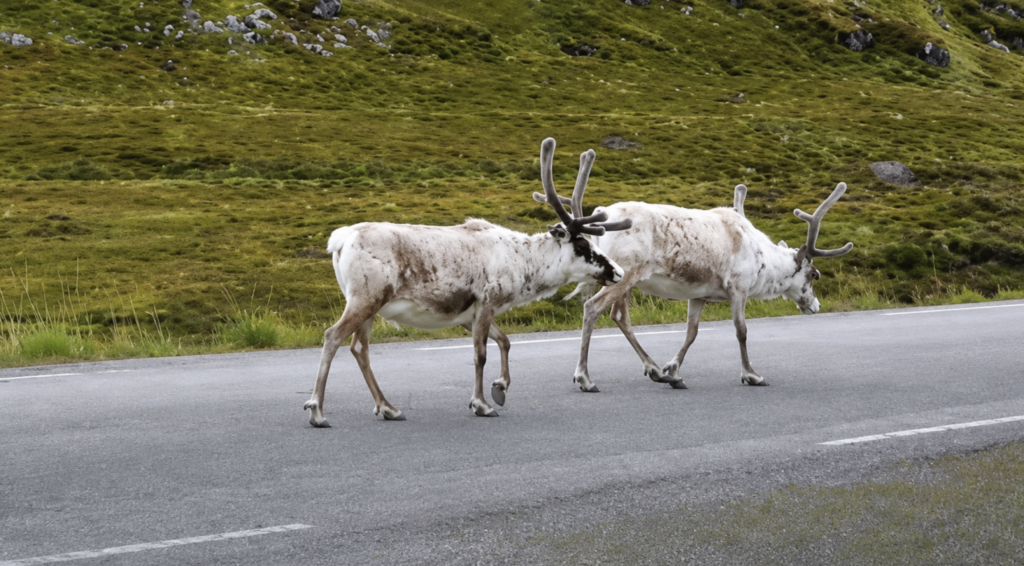
Their movement is closely tied to the changing seasons. As summer ends, caribou head north toward the Arctic, where fresh vegetation is available. When winter arrives and snow begins to cover the land, they turn south again in search of shelter and more accessible food sources like lichens. This constant seasonal loop shapes their entire existence, as they move across some of the most extreme environments on Earth.
Number 4: The Monarch Butterfly
Few migrations are as visually stunning as that of the monarch butterfly. When autumn arrives, millions of monarchs begin their journey from Canada’s Great Lakes region all the way to central Mexico, where they spend the winter in warmer conditions.
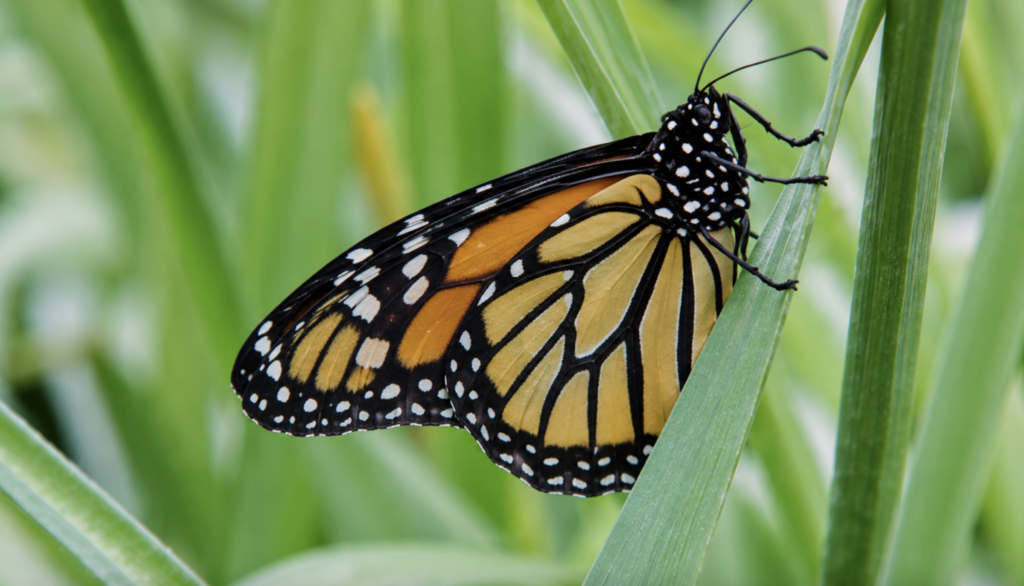
During this journey, they can travel up to 160 kilometers per day, slowly making their way south over several weeks. By the time they reach their destination, they may have flown around 4,000 kilometers in total. What makes this even more remarkable is that no single butterfly completes the entire round trip in its lifetime, meaning the migration is passed down across generations like a living map in motion.
Number 3: The Humpback Whale
The humpback whale is one of the largest animals on Earth, and also one of the greatest long distance travelers. Every year, these giants spend their summers feeding in the cold waters of Antarctica, where food is abundant and energy can be stored.
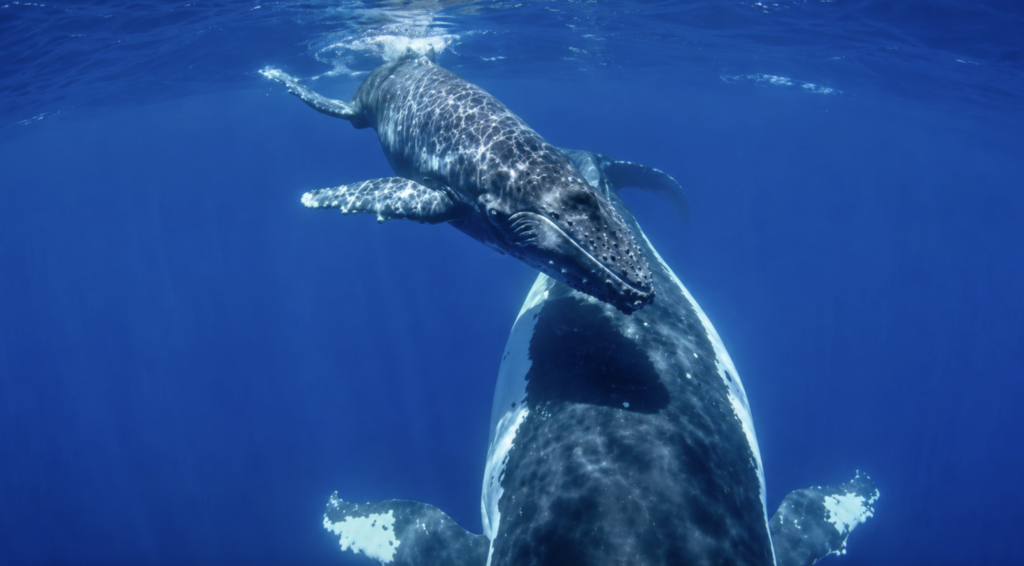
When the feeding season ends, they begin an enormous journey north to tropical waters in the Pacific, where they mate and give birth. After breeding, they complete the cycle by swimming back south again. This round trip can reach up to 12,500 kilometers, making it one of the longest migrations recorded for any mammal on the planet.
Number 2: The Leatherback Turtle
The leatherback turtle is a true ocean explorer, capable of crossing entire oceans in search of food. One of its favorite meals is jellyfish, and to find them, these turtles regularly travel around 9,700 kilometers across the Pacific Ocean.
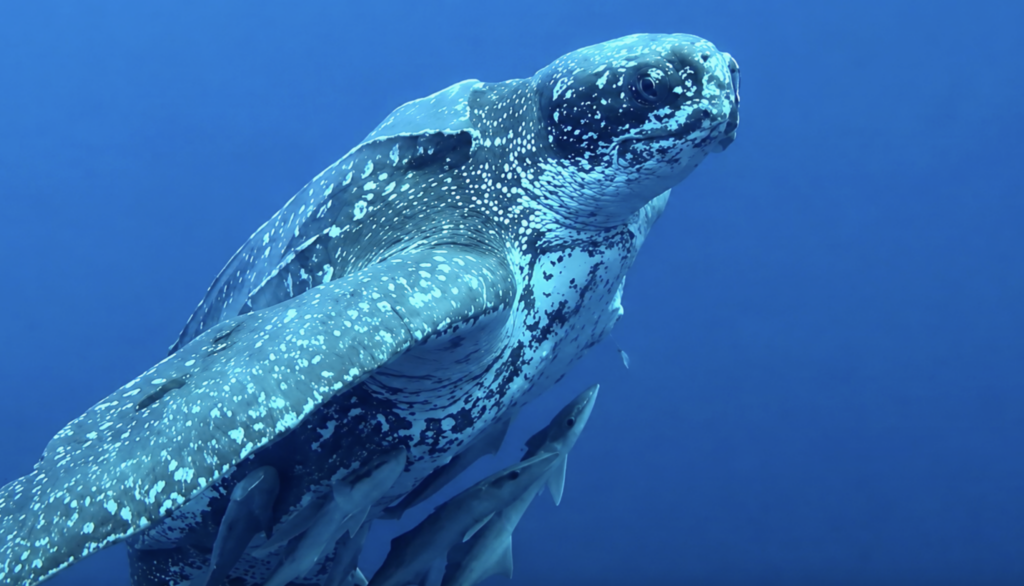
In one remarkable case, a female leatherback traveled nearly 20,000 kilometers from Indonesia all the way to the coast of the United States, spending more than 20 months at sea. Driven purely by instinct and hunger, she crossed vast stretches of open ocean just to reach a feeding ground rich in jellyfish, proving how powerful natural survival instincts can be.
Number 1: The Arctic Tern
At the very top of the list is the Arctic tern, the ultimate long distance traveler in the animal kingdom. This small bird undertakes an unbelievable annual migration from the Farne Islands in the United Kingdom all the way to Antarctica and back again.
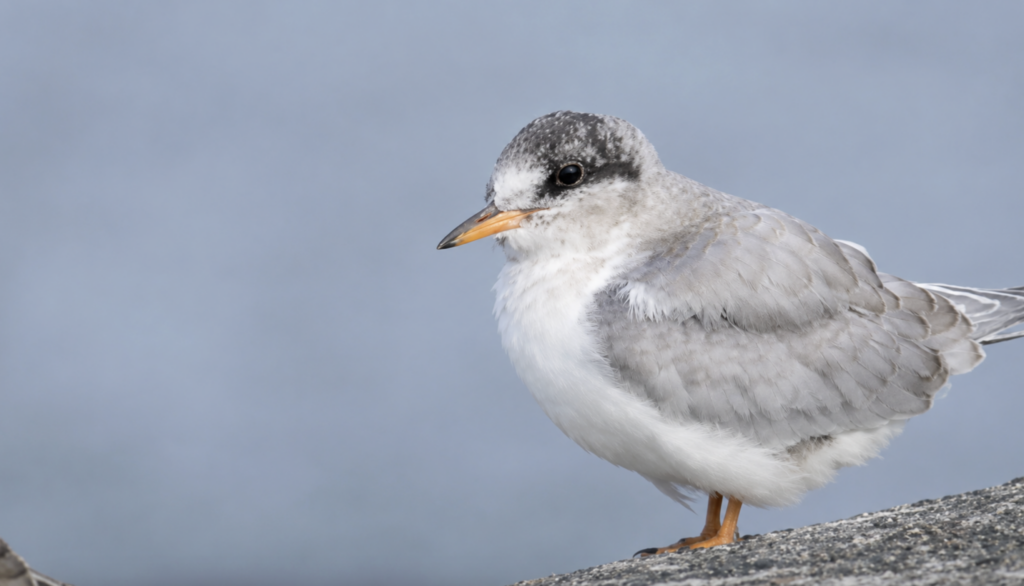
In total, Arctic terns can travel around 96,000 kilometers each year, which is roughly equivalent to flying around the entire Earth twice. Despite their size, they experience more daylight than almost any other creature on the planet, effectively living in continuous summer as they chase the sun from pole to pole.