It is easy to dismiss mosquitoes as nothing more than annoying insects, but their impact on life on Earth is far more serious than most people realize. These tiny creatures are responsible for spreading some of the deadliest diseases known to humanity, including malaria, dengue fever, yellow fever, and the Zika virus.
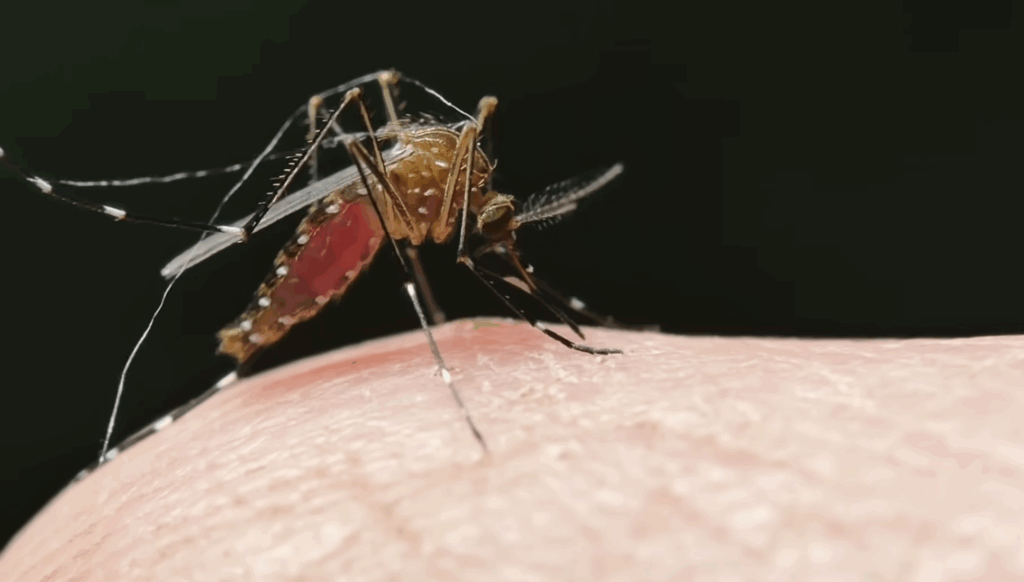
The way they transmit disease is simple but highly effective. A mosquito feeds on the blood of an infected host, then carries microscopic pathogens inside its body. When it bites again, it transfers those pathogens into the next victim through its saliva, allowing the disease to spread quickly between humans and animals.
And it is not only people who suffer. Wildlife and livestock are also affected on a massive scale. In some regions, mosquito bites can weaken or even kill animals, impacting food supplies and entire ecosystems.
With this in mind, it raises an important question. What if humans decided to eliminate every mosquito on Earth?
At first glance, the idea sounds like a global victory. However, the reality of such an action is far more complicated.
Scientists estimate that mosquitoes exist in staggering numbers across the planet, with trillions spread across nearly every continent. Even colder regions are no longer safe from them due to shifting climate conditions, allowing these insects to expand into new environments.
Because of their sheer population size, removing mosquitoes from the planet would not be simple. Natural predators such as bats can consume large numbers of insects, but relying on predators alone would never be enough to erase an entire species.
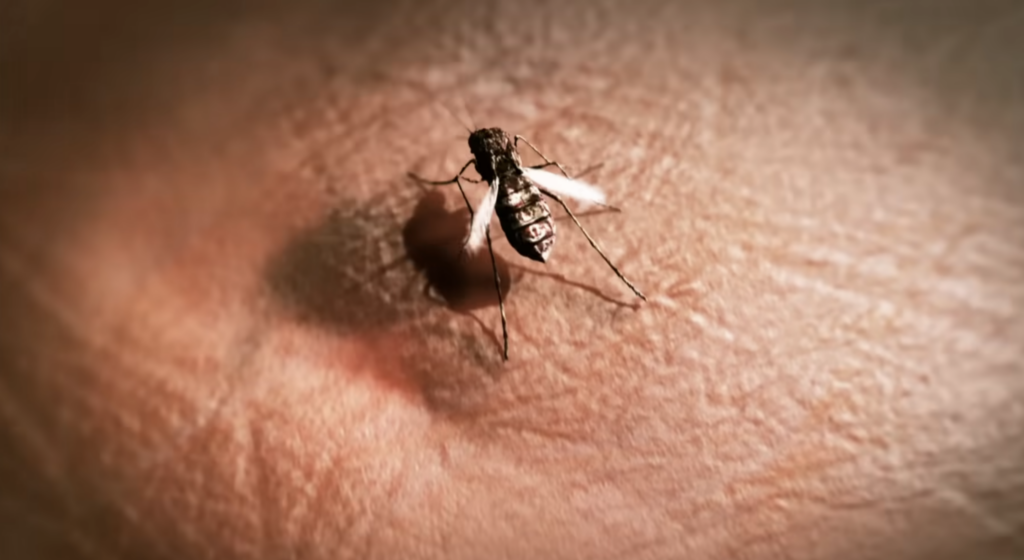
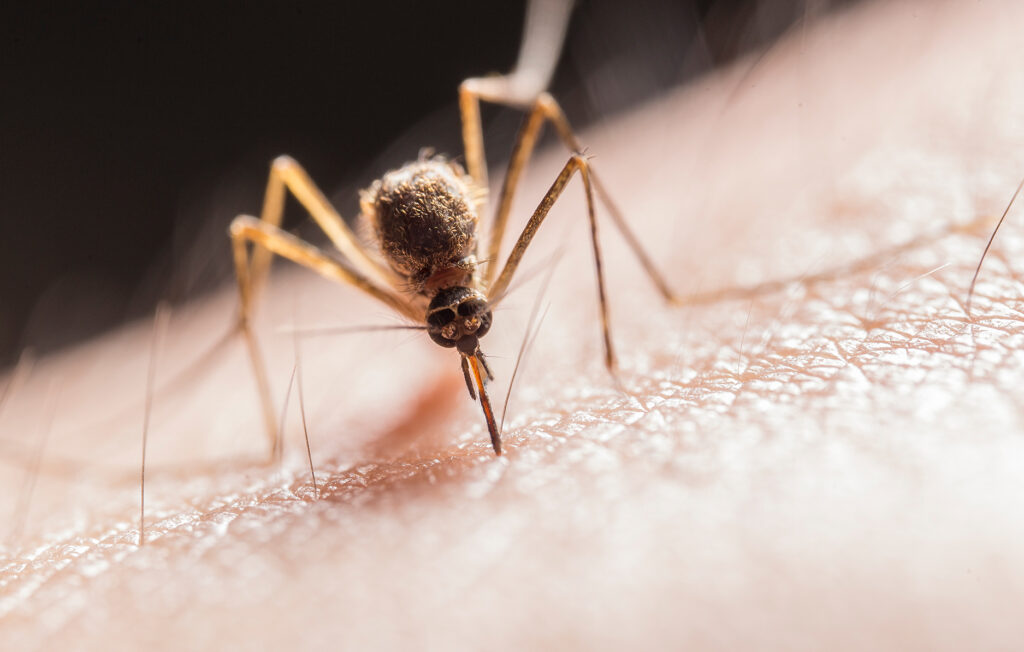
Another proposed approach involves understanding mosquito reproduction. Female mosquitoes bite not because they are searching for food for themselves, but because they need nutrients to develop their eggs. This detail is important for developing long term control strategies.
One of the most realistic scientific solutions being explored is genetic modification. Scientists have proposed releasing modified male mosquitoes that cannot produce viable offspring. Over time, repeated generations would fail to reproduce, causing the population to collapse gradually rather than disappear instantly.
If mosquitoes were completely removed from the planet, the immediate benefits would be obvious. Millions of human lives could be saved each year. Outdoor life would become more comfortable. Entire regions would see reduced disease outbreaks, and livestock would be far safer.
At first, this sounds like a clear improvement for humanity.
However, nature is rarely that simple.
Mosquitoes do play a small role in ecosystems. Some species serve as food for birds, frogs, bats, and other insects. While they are not a primary food source for most animals, removing them could still create subtle shifts in local food chains.
They also contribute to pollination in certain environments, although their role is minor compared to bees and other insects. Even so, ecosystems often depend on small and unexpected connections that are not always easy to measure.
There are also unexpected ecological concerns. Out of thousands of mosquito species, only a small percentage actually bite humans and spread disease. The majority have little or no impact on human health.
Some researchers even suggest mosquitoes may indirectly influence certain environments like tropical rainforests by affecting human activity in sensitive regions. In this sense, their presence may have consequences that go beyond simple harm or benefit.
So while the idea of erasing mosquitoes from existence may seem like an easy win for humanity, the reality is more complex. Removing a species entirely always comes with unknown ripple effects.
In the end, the question is not only whether we can eliminate mosquitoes, but whether we fully understand what might happen if we do.