From prehistoric predators and ancient pandemics to volcanic winters and asteroid impacts, Earth’s history is filled with moments so extreme they would be almost impossible to survive.
Jurassic Period
The Jurassic Period, around 200 million years ago, represents one of the most dangerous eras in Earth’s history for any human visitor. This is the age of dinosaurs, where massive predators dominate every ecosystem and survival depends entirely on strength and speed. In this world, humans would not exist at the top of the food chain, but instead as easy prey in a hostile prehistoric environment filled with constant danger.
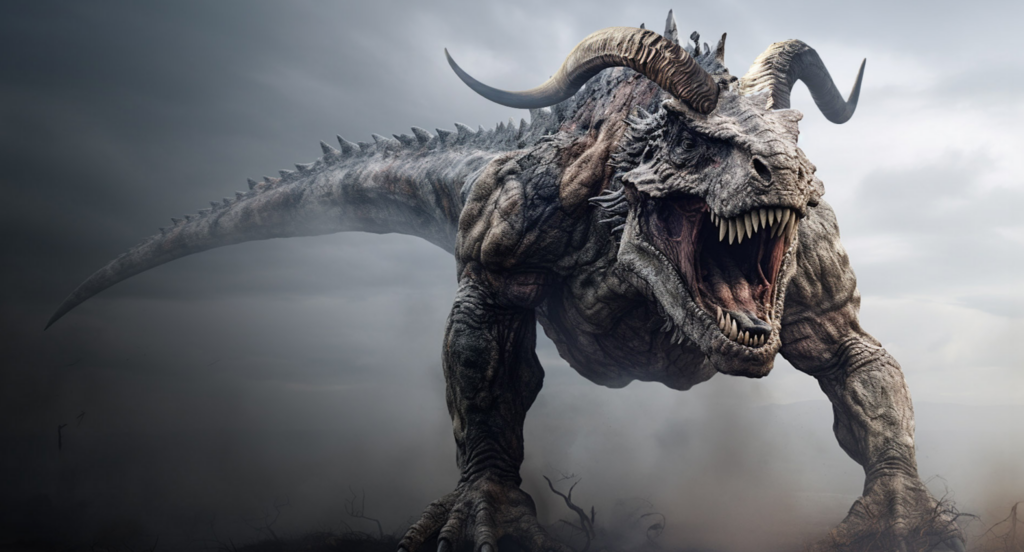
One of the most terrifying predators of this time is the Allosaurus, a massive carnivorous dinosaur reaching up to 8.5 meters in length. It was fast, powerful, and equipped with sharp teeth designed for tearing flesh. Alongside it lived dangerous prehistoric crocodile like creatures such as Razana, capable of hunting both on land and in water. In this period, nearly every large animal poses a direct threat to survival.
Age of Giant Insects
Around 300 million years ago, Earth entered a strange and unsettling phase known as the Age of Giant Insects. The planet’s atmosphere contained far more oxygen than today, reaching levels of around 35 percent. While this may sound harmless, such conditions would actually become toxic to humans over time, damaging cells and even affecting the nervous system. Simply breathing in this environment would become dangerous and potentially lethal.
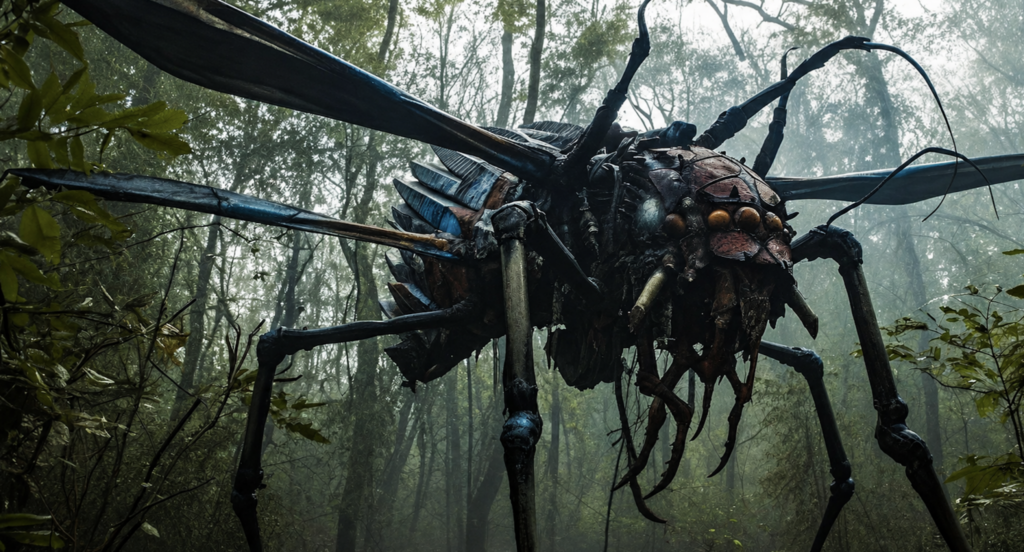
This oxygen rich world allowed insects to grow to enormous sizes. Dragonflies with hawk sized wings, massive cockroaches, and giant millipedes moved through dense swamp forests. The sheer scale of these creatures creates an overwhelming and unsettling landscape. Every step in this environment feels dangerous, as even the smallest creatures are far larger and more threatening than anything found today.
Cambrian Period
The Cambrian Period, about 540 million years ago, marks a time when complex life in the oceans rapidly began to evolve. If a visitor arrived on land, there would be little danger from predators, since no animals had yet evolved to live there. However, the oceans tell a completely different story, filled with strange and aggressive life forms unlike anything seen today.
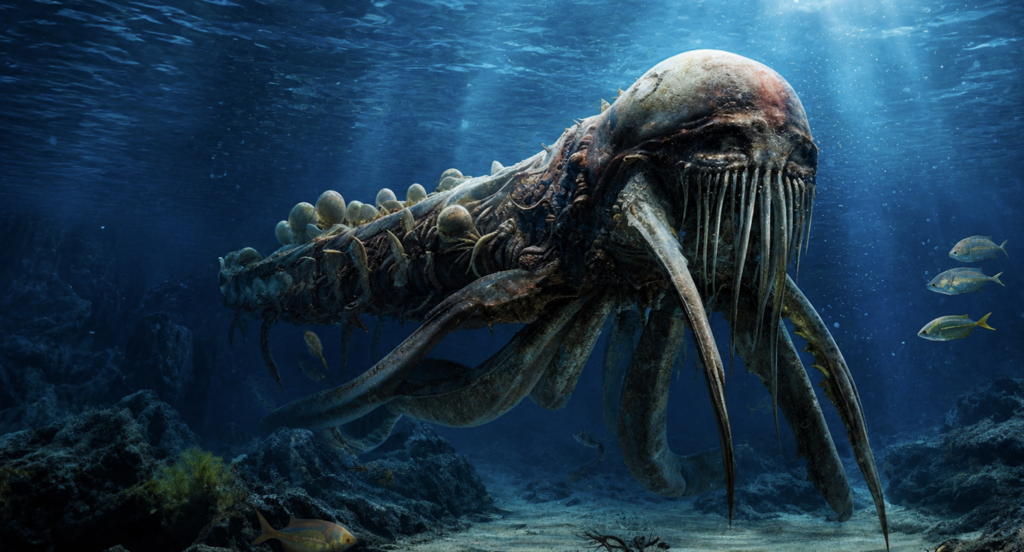
One of the top predators of this time is Anomalocaris, a shrimp like creature reaching over one meter in length. It used spiked appendages to capture prey in the ancient seas. Alongside it lived countless trilobites and other early marine organisms. However, survival on land would still be impossible due to the absence of vegetation, leading to starvation from a lack of essential nutrients such as vitamin C.
74,000 Years Ago, Supervolcano Toba
Around 74,000 years ago, Earth experienced one of the most powerful volcanic eruptions in its history, the eruption of the Toba supervolcano in present day Indonesia. This event released thousands of cubic kilometers of ash and rock into the atmosphere, creating global environmental disruption on an extreme scale. It was powerful enough to alter the planet’s climate for years.
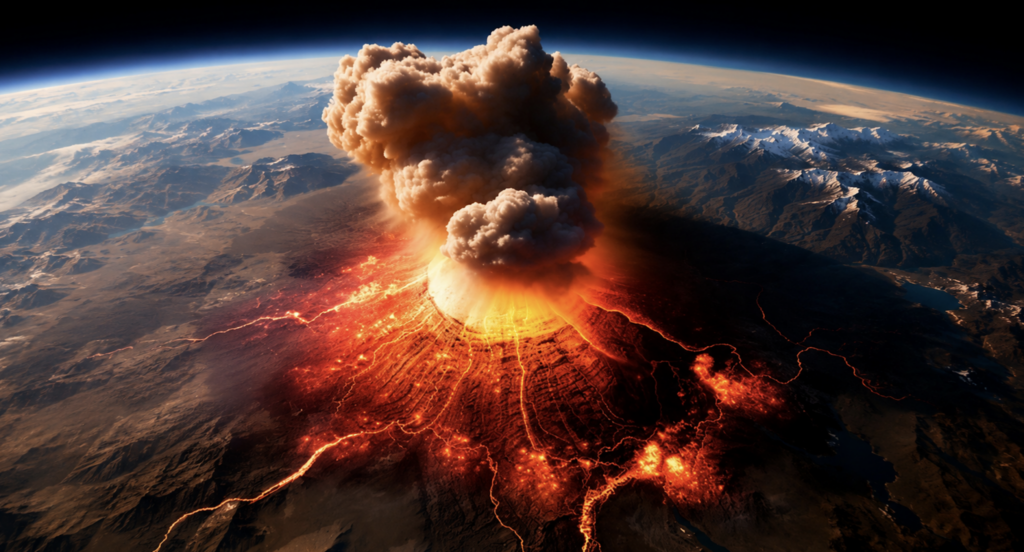
The eruption caused a volcanic winter, blocking sunlight and dramatically lowering global temperatures. Plants failed to grow, ecosystems collapsed, and food sources disappeared. Human populations were reduced drastically, with estimates suggesting only a few thousand survivors remained worldwide. This period represents one of the closest moments humanity has come to extinction.
1347, The Black Plague
In 1347, Europe entered one of the deadliest pandemics in human history, known as the Black Plague. At first glance, daily life in cities like those in Sicily might appear normal, but the reality was far more horrifying. Ships arriving in ports carried infected individuals, and the disease spread rapidly through crowded populations with devastating effect.

The plague caused painful symptoms, including swollen lymph nodes known as buboes that turned dark and often burst. With no medical understanding of bacteria or antibiotics, survival rates were extremely low. Within just a few years, tens of millions of people died across Europe, making it one of the most catastrophic disease outbreaks ever recorded.
1945, Hiroshima and Nagasaki
On August 6th, 1945, the world entered the nuclear age with the bombing of Hiroshima, followed by Nagasaki just three days later. These events marked one of the most destructive moments in modern human history. The immediate impact of a nuclear explosion included extreme heat, shockwaves, and radiation capable of destroying everything within a wide radius.
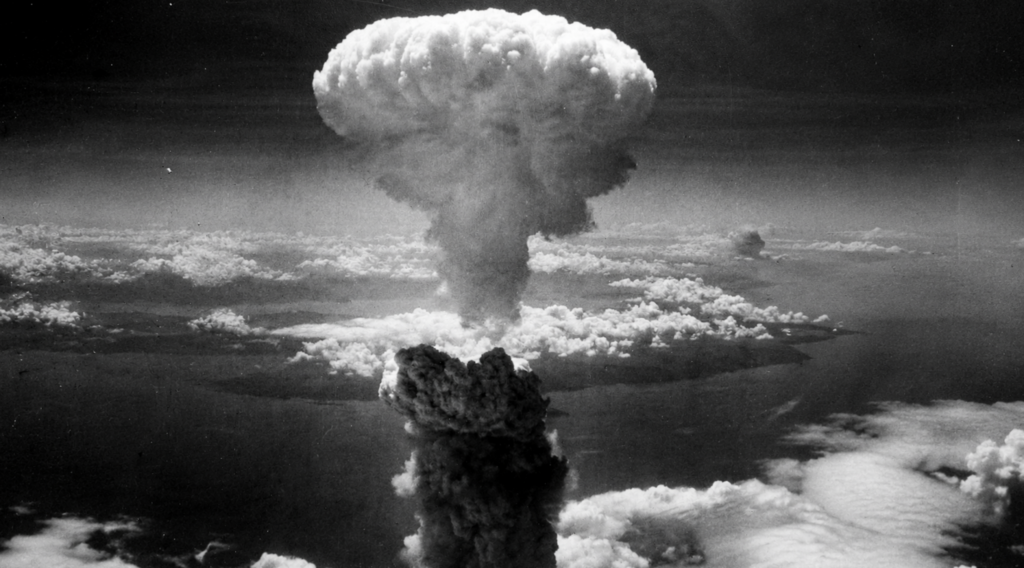
Those closest to the blast would be instantly vaporized, while others farther away suffered severe burns and radiation exposure. Entire cities were reduced to rubble in moments. These attacks demonstrated the terrifying power of nuclear weapons and forever changed global warfare, introducing the possibility of mass destruction on an unprecedented scale.
536 AD, The Year Without Sunlight
In 536 AD, Earth experienced a dramatic climate crisis likely caused by a massive volcanic eruption. The sky became dark and hazy, as ash and particles filled the atmosphere. Sunlight was severely reduced, creating a dim and cold environment often described as a “volcanic winter.” This sudden change disrupted ecosystems across the world.
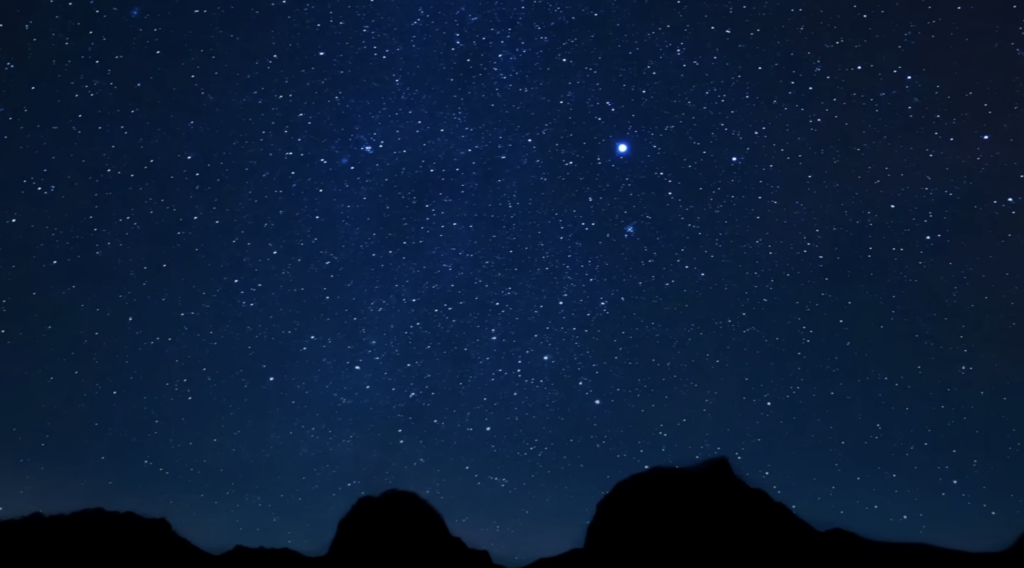
With limited sunlight, crops failed and food supplies collapsed. Widespread famine followed, weakening human populations and increasing vulnerability to disease. This period also contributed to long term instability in many regions. The combination of cold temperatures, failed harvests, and illness made survival extremely difficult.
66 Million Years Ago, The Asteroid Impact
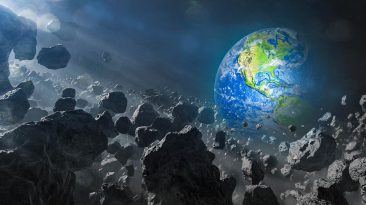
Sixty six million years ago, Earth experienced one of the most catastrophic events in its history when a massive asteroid struck what is now the Yucatán Peninsula. This impact released energy equivalent to billions of nuclear bombs, instantly reshaping the planet’s surface and triggering global destruction on an unimaginable scale.
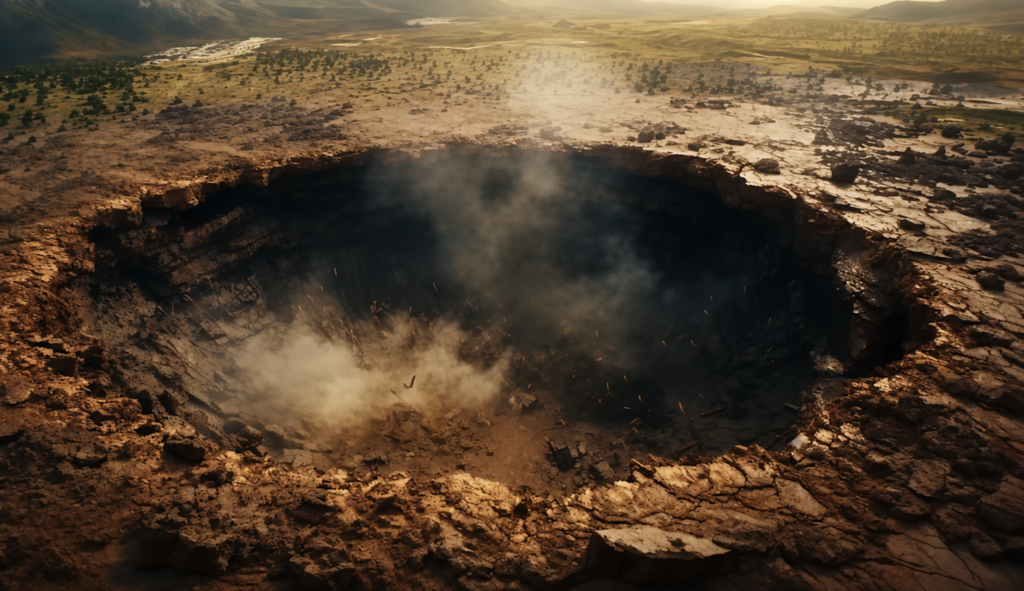
The impact caused massive fires, earthquakes, and tsunamis that spread across the planet. Dust and debris filled the atmosphere, blocking sunlight and collapsing ecosystems worldwide. This led to a mass extinction event that wiped out around 75 percent of all species on Earth, including the non avian dinosaurs, permanently changing the course of evolution.