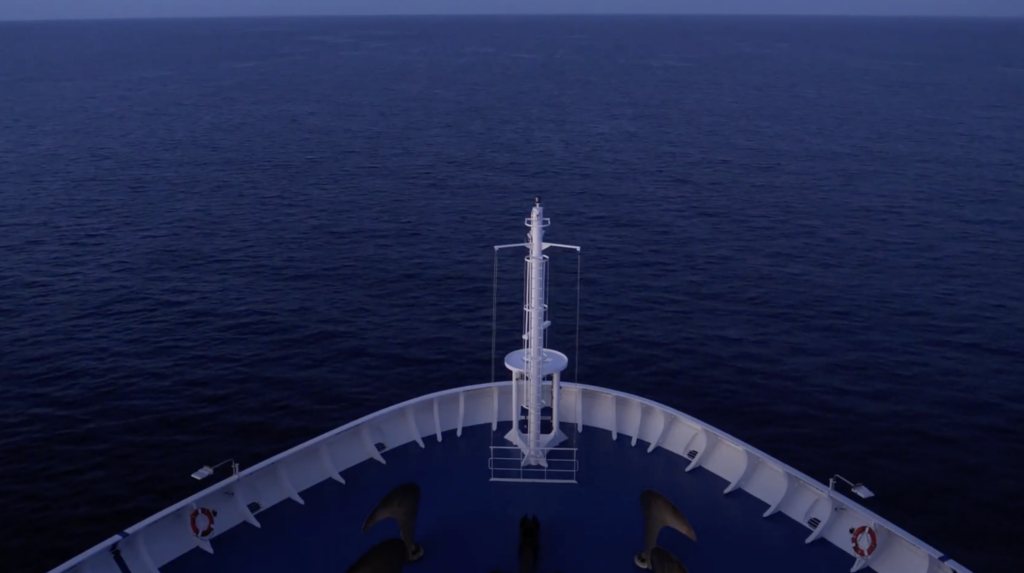
A cruise vacation can make the ocean feel almost harmless. You spend your day surrounded by restaurants, pools, entertainment, and hundreds of other passengers, while the ship quietly carries you toward the next destination. It is easy to forget just how much water lies beneath you and how dependent everyone onboard is on a massive vessel continuing to operate normally.
That sense of security can disappear remarkably fast. A powerful storm, serious flooding, a collision, equipment failure, or another unexpected problem could force passengers to abandon their normal routines and respond to an emergency they never expected to face.
If a cruise ship begins sinking, there is no single trick that guarantees survival. Your best protection is preparation. Knowing where to go, understanding the safety equipment, and remaining capable of following instructions can all become extremely important when confusion spreads throughout the vessel.
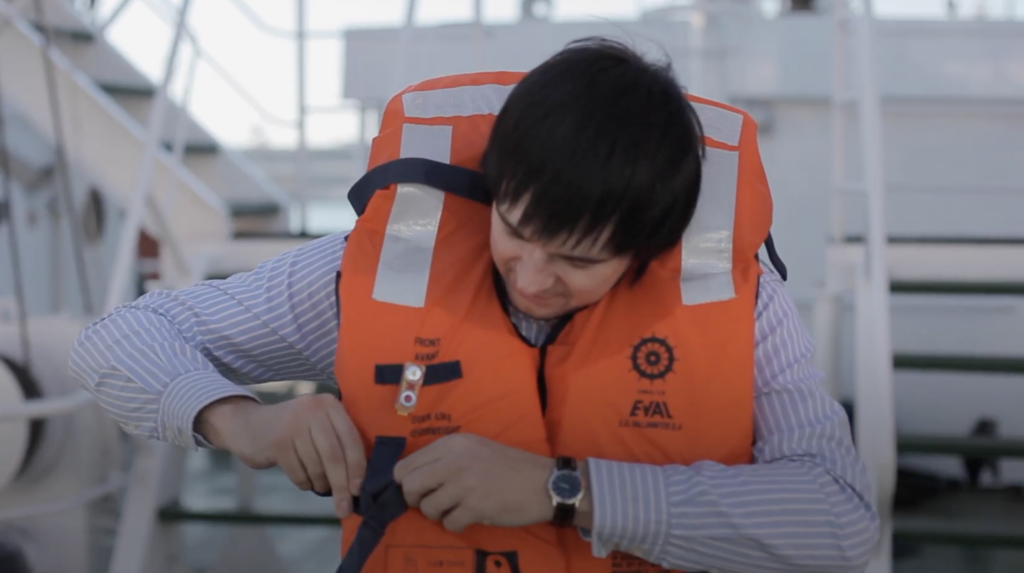
The safety demonstration given shortly after boarding deserves your full attention. Many passengers treat it as something they have already seen on previous trips, but the details can vary between ships. The briefing explains evacuation procedures, emergency assembly areas, and where passengers can find their life jackets.
Find your life jacket before you need it and make sure you understand how it should be secured. During an evacuation, however, passengers should follow crew instructions about when to put it on. Wearing one while squeezing through narrow corridors or climbing crowded staircases can make movement more difficult.
It is also sensible to keep essential medication somewhere that remains easy to access. An emergency could separate passengers from their cabins for a significant amount of time, and replacing important medication may not be possible while waiting for assistance.
Take a few minutes to study your surroundings as well. Locate the nearest emergency exits, stairways, assembly stations, and other clearly marked escape routes. If the lights go out or smoke makes familiar areas difficult to recognize, remembering these locations can save valuable time.
When an emergency starts, your first reaction may be panic, but acting without thinking can create additional problems. Listen for announcements and pay close attention to crew members. They are trained to organize passengers and direct people toward designated evacuation areas during serious incidents.
Controlling your breathing can also help you remain focused. Slow, deliberate breaths may make it easier to concentrate on instructions and avoid making an impulsive decision simply because everyone around you appears frightened.
If you are below deck when the emergency begins, follow the marked evacuation route toward the appropriate assembly point or open deck. Avoid entering the water simply because the ship appears to be in trouble. Unless passengers are specifically ordered to abandon the vessel, the ship may still provide considerably more protection than open ocean.
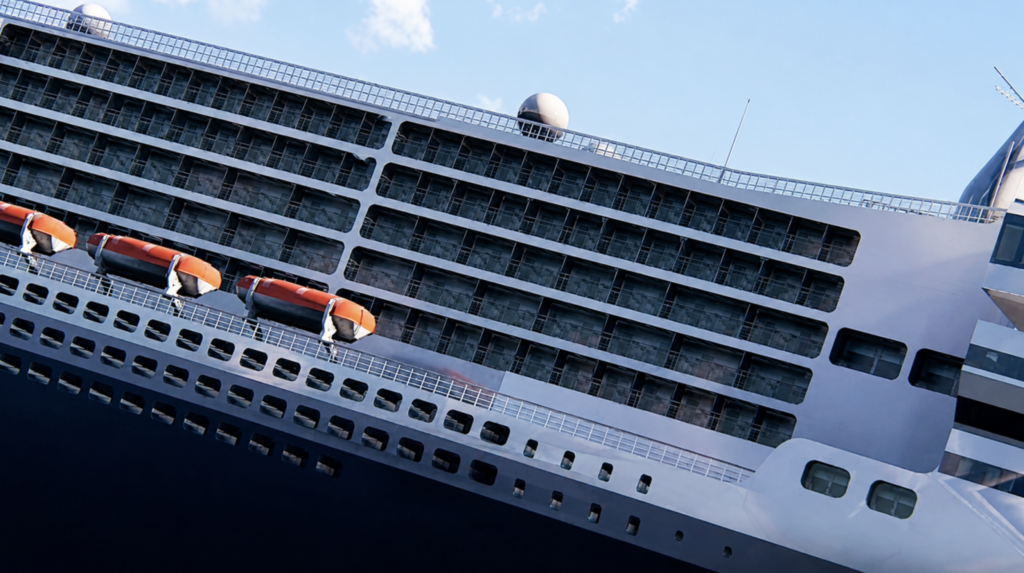
Once lifeboats are being prepared and passengers are instructed to board, move carefully and avoid creating unnecessary congestion. Follow the crew’s directions about where to sit and how to distribute passengers. Once inside, the goal becomes staying safe until rescuers arrive.
Water becomes one of the most important resources if survivors are forced to spend a long period in a lifeboat. Protect available drinking water and collect rainwater when possible. Seawater should never be used as a substitute because drinking it can increase dehydration and make survival more difficult.
The psychological side of survival should not be overlooked either. Fear, uncertainty, and exhaustion can make a difficult situation feel even worse. Keeping people occupied with simple tasks, communicating with others, and concentrating on practical responsibilities can help maintain order and morale.
Working together can provide another important advantage. Survivors can assist people who are injured or struggling, organize available supplies, and share information. If several lifeboats can safely remain near one another, maintaining contact may also make the group easier for rescue teams to locate.