Every realistic option had already failed. Teaching the boys to dive was impossible. Waiting months for the water to drop meant watching them run out of oxygen. Drilling a new entrance through the mountain was going nowhere.
So an Australian anesthesiologist proposed something nobody had ever attempted. Knock the children unconscious and carry them out through flooded tunnels while they slept.
Even the people planning it believed some of them would die.
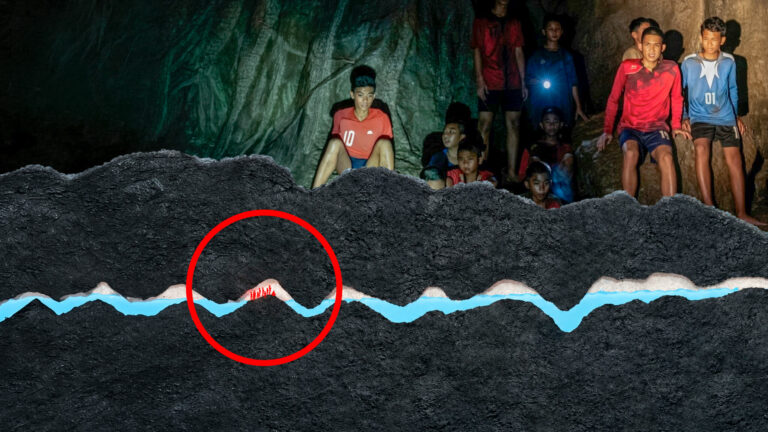
It started on June 23, 2018, when twelve boys from a youth soccer team called the Wild Boars entered Thailand’s Tham Luang cave system with their assistant coach after practice. A short adventure and a birthday celebration for one of the players. They had been inside before and expected to be home within the hour.
Tham Luang runs nearly ten kilometers beneath a mountain locals call the Sleeping Lady. During monsoon season, rainwater floods its narrow passages and turns them into underwater tunnels.
As the group moved deeper, heavy rain began falling outside, and before anyone understood what was happening, rising water had sealed off the route back.
Forced farther in, they climbed onto a muddy ledge more than three kilometers from safety with little food, no communication equipment, and a few flashlights. The forecast promised more rain for days.
When the boys did not come home, their parents raised the alarm, and bicycles and shoes were found outside the entrance, partly submerged.
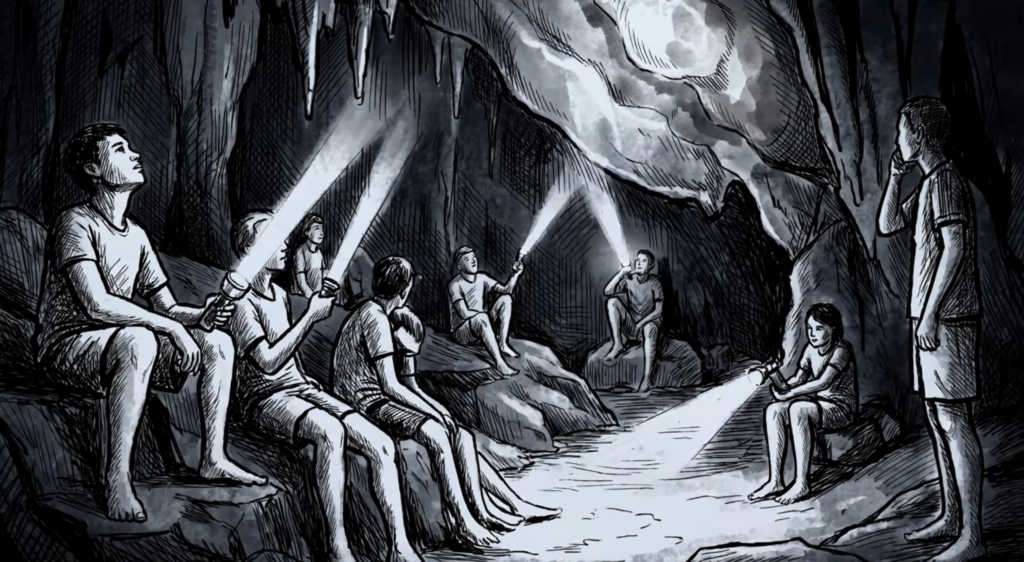
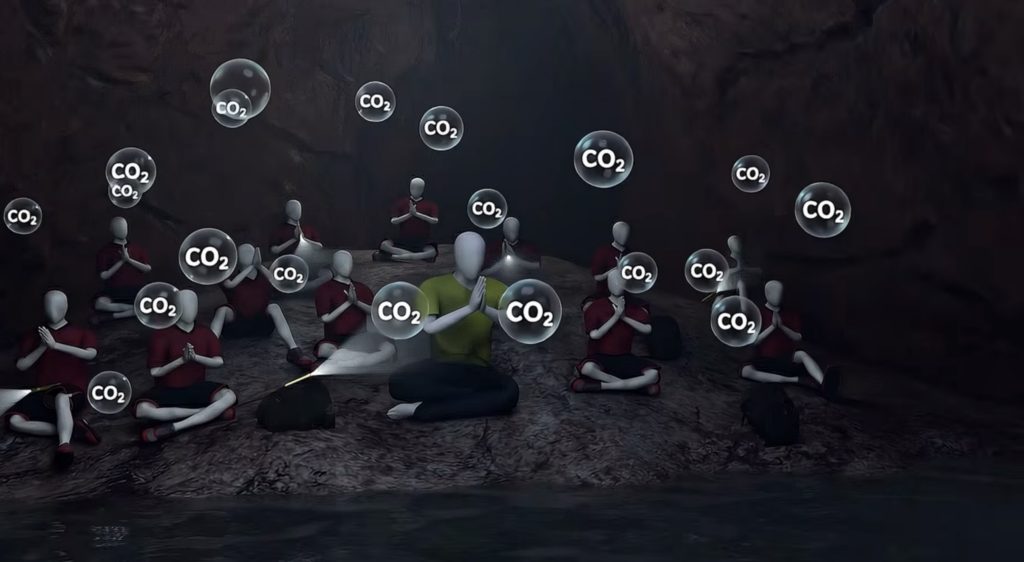
Inside, the team sat in total darkness, drinking water dripping from the walls and huddling together for warmth. Their coach, Ekapol Chantawong, had spent years studying as a Buddhist monk, and he taught the boys meditation techniques to stay calm, conserve energy, and slow their breathing.
That may have saved their lives, because oxygen levels in the chamber were falling. Drop much further and survival becomes impossible.
The response grew into something unprecedented, with more than 10,000 people eventually involved: engineers, soldiers, volunteers, and elite cave divers from several countries. Pumps pulled water out while crews tried drilling alternative access points, and the rain undid every effort.
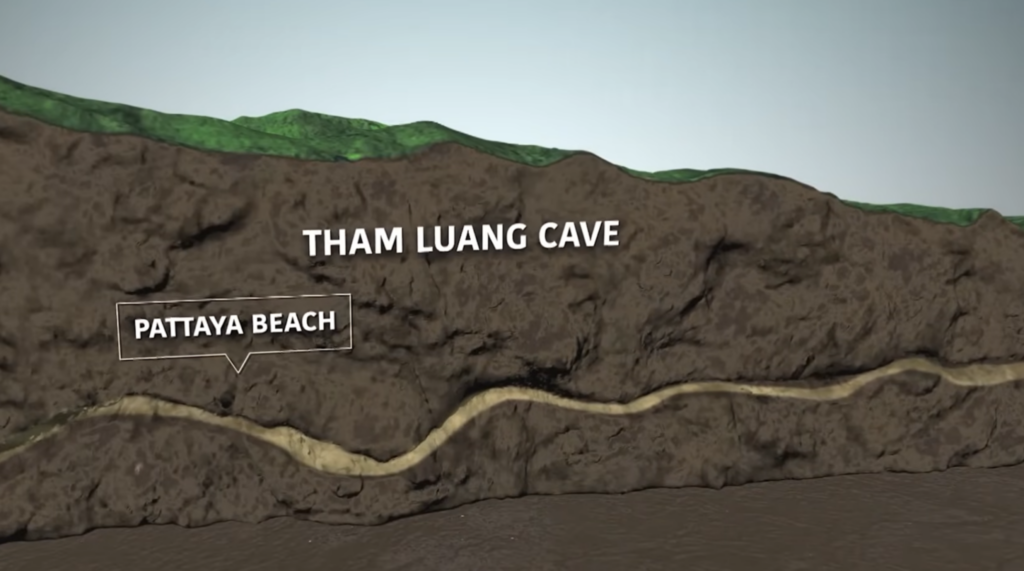
The hardest problem was simple. Nobody knew where the boys actually were.
Then a clue arrived from a player who had skipped the trip, who mentioned the team often visited a section called Pattaya Beach. The search shifted there.
British cave divers Rick Stanton and John Volanthen were brought in for their experience in flooded systems. On July 2, more than a week after the disappearance, they pushed past Pattaya Beach and kept going despite running low on air.
Surfacing into an air pocket, they found thirteen thin, exhausted figures on a muddy ledge.
How many of you, one diver asked. Thirteen, came the answer.
Against every expectation, all of them were alive.
Finding them was the easy half.
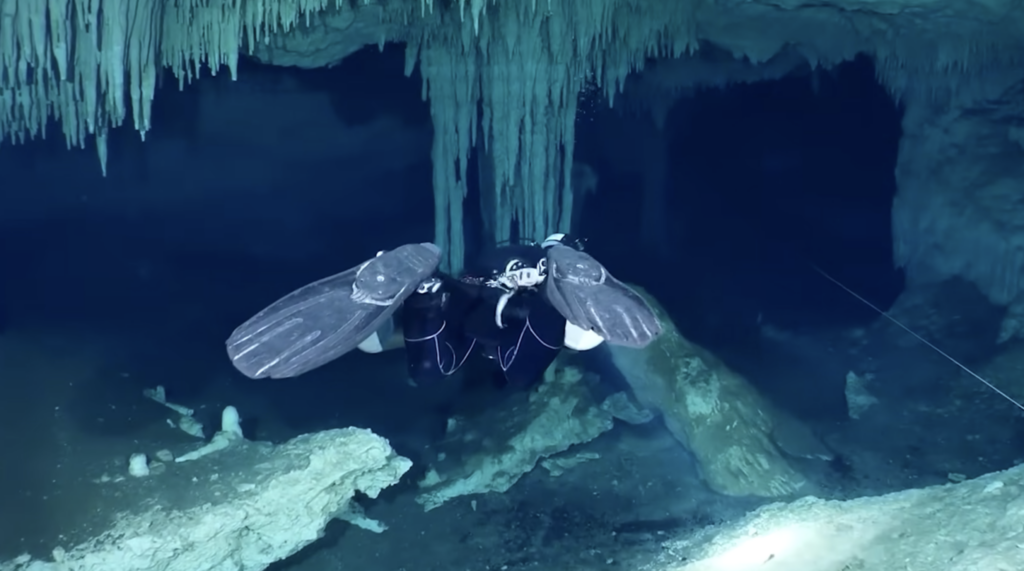
The route out meant hours of diving through completely flooded passages, some so narrow that experienced divers had to remove their tanks to fit. Visibility was almost nothing in the muddy water. Most of the boys could not swim, and none had ever dived.
Then Saman Kunan, a former Thai Navy SEAL, died while placing oxygen tanks along the route. If a trained diver could lose his life in there, the odds for frightened children looked grim.
Which is how Dr. Richard Harris ended up proposing the sedation plan. Each boy would be medicated into unconsciousness, fitted with a full face mask supplying oxygen, and carried underwater by divers. Because the risk was so extreme, legal immunity was granted to the medical team in case children died during the operation.
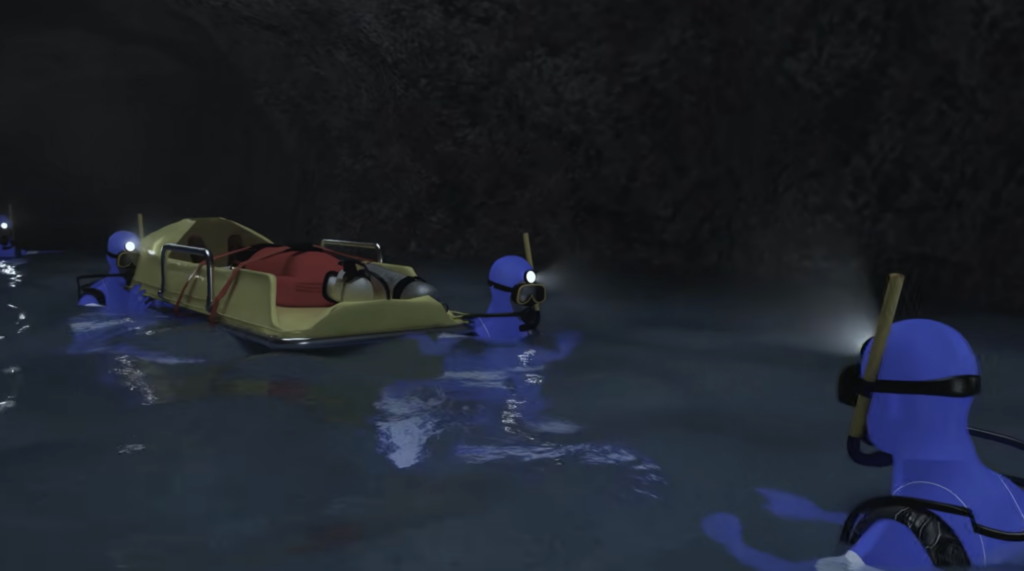
The rescue began on July 8. One by one they were sedated, masked, and guided through the tunnels, with rescuers squeezing through tight passages while holding unconscious children and administering additional injections along the way to make sure nobody woke up underwater.
It worked.
Over three days, all twelve boys and their coach came out alive after eighteen days trapped underground.
It became the most complex cave rescue in history because it required thousands of people, combined medicine with diving techniques nobody had tried before, and asked rescuers to accept enormous personal risk for thirteen strangers.
Sometimes survival takes more than courage. Sometimes it takes a plan so dangerous that the people carrying it out needed legal protection in case it killed the children they were saving.