
Black cats have carried a strange reputation throughout human history. In some cultures, they were seen as sacred animals, while in others they became symbols of superstition and fear. Yet modern science is beginning to reveal a very different story, one that suggests these animals may be far more remarkable than once believed.
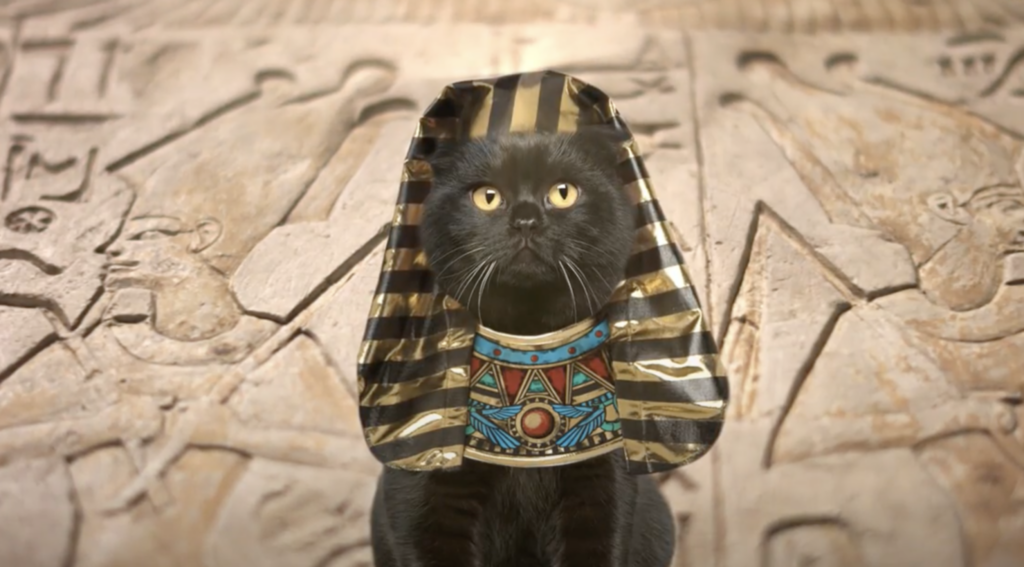
In ancient Egypt, cats of all colors were highly respected. They were associated with protection and were often kept in homes and temples. Harming a cat during this period was considered a serious crime.
Centuries later in medieval Europe, that perception changed dramatically. During widespread witch trials, black cats became linked to superstition and fear. They were often associated with accused witches, leading to centuries of negative myths that still exist in some form today.
But recent scientific research is challenging those old beliefs and offering a new perspective on black cats and their genetic makeup.
One of the key advantages of black fur in the animal kingdom is camouflage. For wild cats, darker coats can provide better concealment during nighttime hunting, increasing their chances of survival. This kind of natural selection may help explain why black coats have appeared independently in different cat species.
Interestingly, scientists have also discovered that the genetics behind black fur are part of a broader family of genes involved in immune system function. These genes are linked to how organisms respond to disease, which has led researchers to explore whether pigmentation may be connected to certain health advantages.

While domestic cats can suffer from a range of illnesses similar to those found in humans, including immune and neurological conditions, they also possess unique biological traits that continue to be studied. Importantly, many feline viruses are species specific and cannot be transmitted to humans.
Unlike animals in controlled medical environments, wild and domestic cats rely entirely on natural selection for survival. This means that even small genetic advantages can influence which traits become more common over time.
Over centuries, black cats have appeared in many cultural traditions in very different ways. In some maritime cultures, sailors believed that black cats brought good fortune and safe voyages. Historical records even mention ship cats traveling thousands of kilometers aboard naval vessels, valued for their ability to control pests and provide companionship during long journeys.

In other parts of the world, such as Japan, black cats are still considered symbols of good luck and positive relationships, especially in certain folklore traditions.
Modern genetic research continues to examine whether there are deeper biological advantages linked to black fur, including potential connections to immune system resilience. While these theories are still being investigated, they highlight how much remains unknown about the genetics of domestic animals.
What once was dismissed as superstition is now being revisited through the lens of science. Black cats, long misunderstood, may hold genetic secrets that could help researchers better understand disease resistance in animals.
Whether viewed as lucky symbols or ordinary pets, black cats remain one of the most fascinating examples of how human beliefs and scientific discovery can evolve over time. Their story is still being written, not in superstition, but in genetics and research.