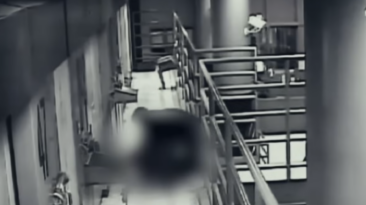
Until its closure in 2014, a dedicated area for inmates suffering from mental illnesses occupied the 9th floor of Miami-Dade County’s Pre-Trial Detention Center. But instead of being a place for rehabilitation, the psychiatric unit became known as “the Forgotten Floor.”
The nickname became painfully appropriate.
In 2006, CBS News brought the conditions on the 9th floor into the public spotlight. What investigators found was so disturbing that the federal government eventually became involved.
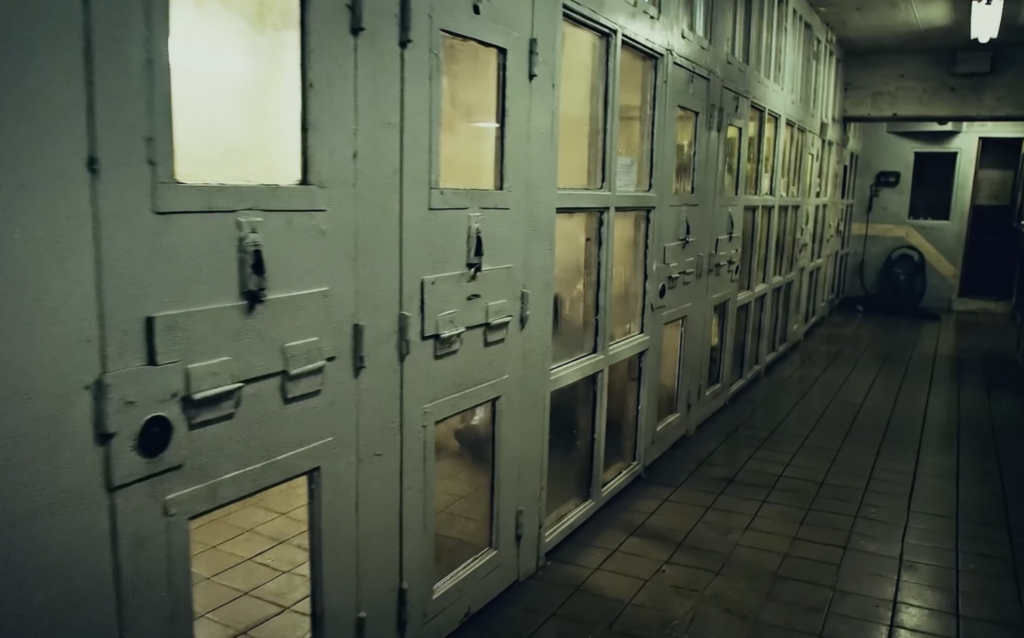
Inmates were held in cells without mattresses, and they wore robes without sleeves and no shoes. These measures were supposedly intended to protect inmates from harming themselves, but the conditions were far from what you’d expect from a place meant to care for people with mental illnesses.
The facility didn’t even always have something as basic as running water.
In one case, an inmate was forced to drink water from a toilet because he was thirsty. As one inmate put it, “You can’t treat human beings this way.”
And the conditions weren’t the only concern.
Over the course of just a few months in 2013, three inmates died while being held on the 9th floor. One of them, Juaquin Cairo, died from internal bleeding after another inmate assaulted him.
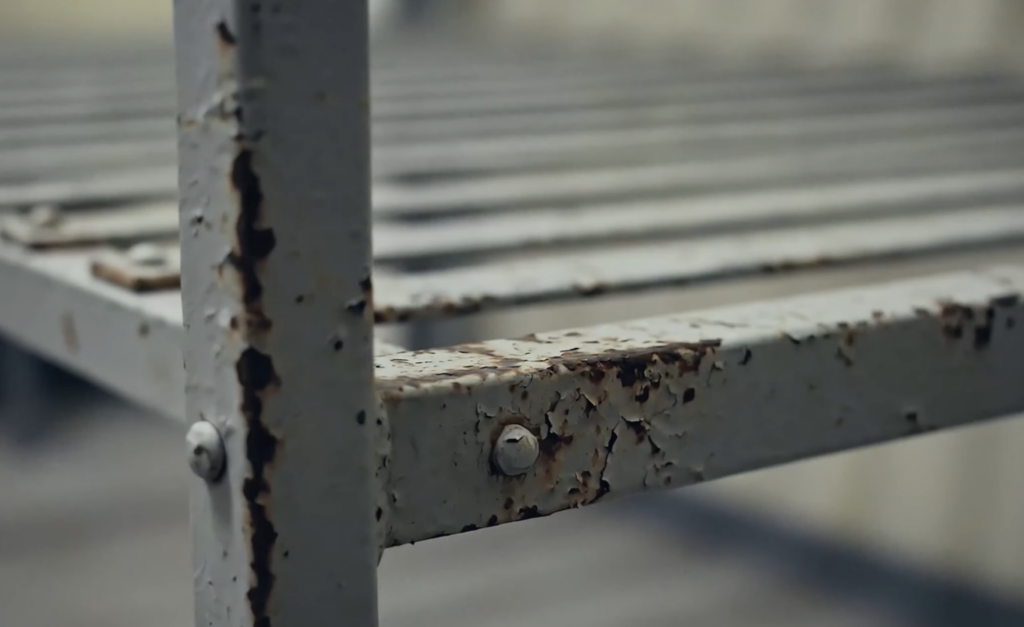
His injuries weren’t taken seriously by guards until it was too late.
Two other inmates died within a few months of Cairo, although their causes of death were never revealed to the public. At the time, the facility had only one psychiatrist for the entire unit.
That raised serious questions about whether inmates were receiving the medical and mental health care they needed.
Then came the case of Mark Young.
In 2016, the former inmate filed a lawsuit against Miami-Dade County Jail and eight officers after he was severely assaulted. His alleged offense was attempting to clean feces from the walls of his cell.
Young was beaten so badly by correctional officers that he needed emergency surgery to remove his spleen and stop internal bleeding.
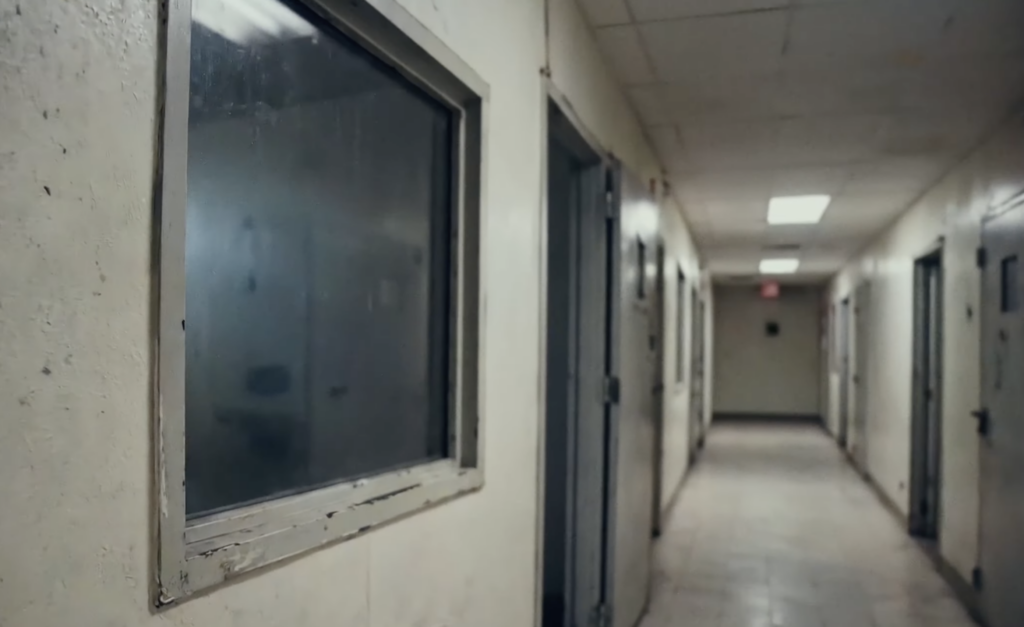
The problems on the Forgotten Floor highlighted a much larger issue involving vulnerable inmates and the people responsible for looking after them.
According to Bryce Peterson of the Center for Justice Research and Innovation at CNA, limited resources and staffing can leave correctional facilities with few options when dealing with people who are considered a danger to themselves or others.
But eventually, the Forgotten Floor was closed.
The inmates were relocated to a cleaner and more suitable facility at the Turner Guilford Knight Correctional Center. The new facility had 13 psychiatrists, yoga classes, proper training for guards and other improvements.
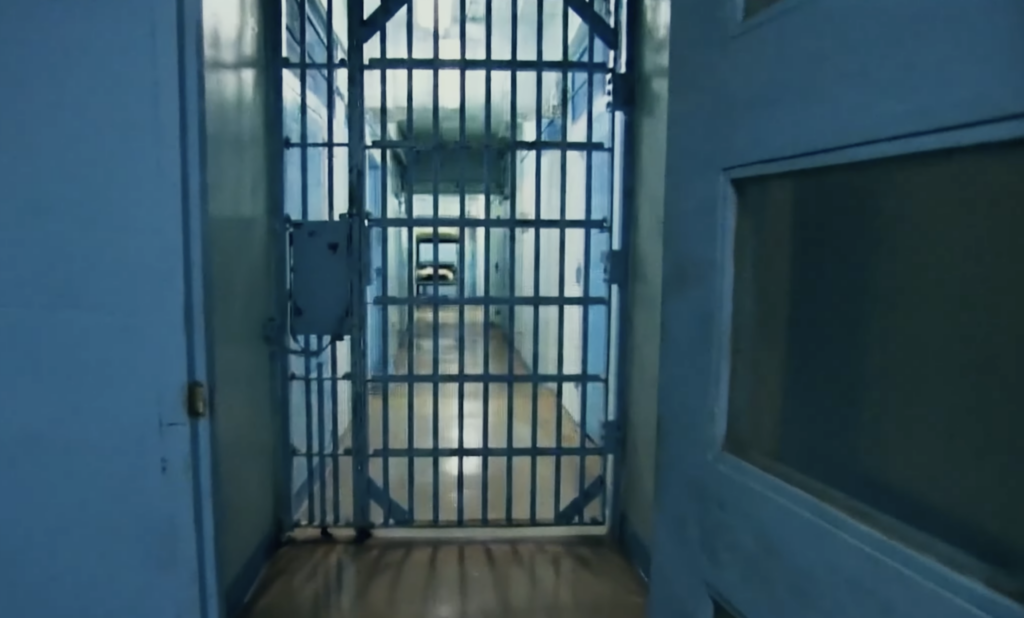
It also had cameras in every cell, safety beds and something that had been an impossible luxury for some inmates on the old 9th floor: running water to drink.
The Forgotten Floor may be gone, but its story remains one of the darkest chapters in the history of Miami-Dade County Jail.