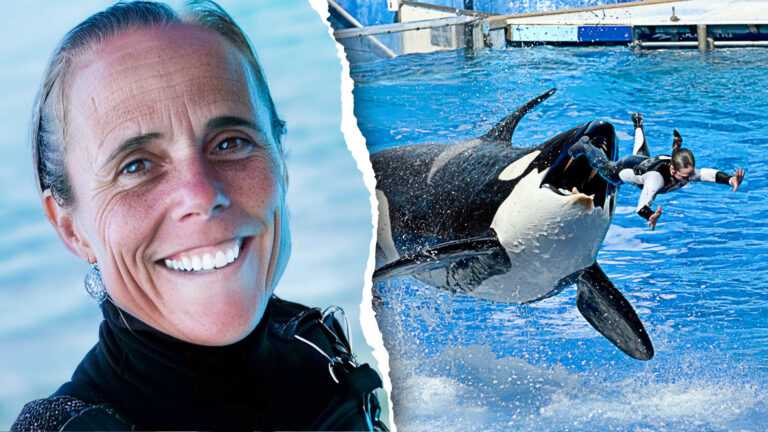
What began as an ordinary afternoon performance at SeaWorld Florida suddenly became one of the most disturbing incidents in the park’s history. On February 24th, 2010, visitors had gathered for the popular “Dine with Shamu” experience, expecting to watch trainers interact with one of the ocean’s most impressive animals.
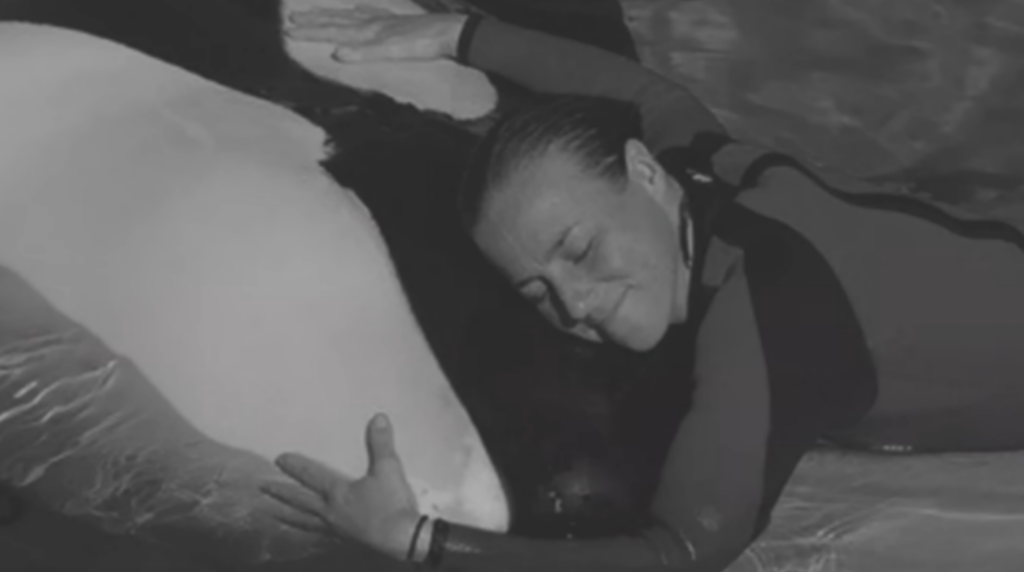
During the final moments of the presentation, trainer Dawn Brancheau was beside Tilikum, the largest orca at SeaWorld. She was carrying out a familiar part of the routine and reached toward the whale, rubbing his head near the edge of the pool.
Then, without warning, the situation changed. Tilikum seized Brancheau and dragged her away from the side of the pool. What had looked like the conclusion of a carefully rehearsed performance became a terrifying incident witnessed by the audience.
People who witnessed the event did not all describe the exact same sequence. Some accounts suggested that Tilikum caught Brancheau by her ponytail, while other descriptions indicated that he may have grabbed her arm or shoulder. What was clear was that the enormous animal pulled the trainer into the water before she could escape.
The incident immediately raised a difficult question. How could an orca attack a trainer who had spent years working with him and was highly familiar with his behavior?
Part of the answer requires looking far beyond that afternoon. Tilikum had already spent much of his life in captivity before he ever became one of SeaWorld’s best known animals, and his history contained several disturbing incidents.
Dawn Brancheau had a very different relationship with marine animals. As a child, she dreamed of becoming a Shamu trainer after watching an orca performance during a family vacation. That early fascination eventually became her profession.
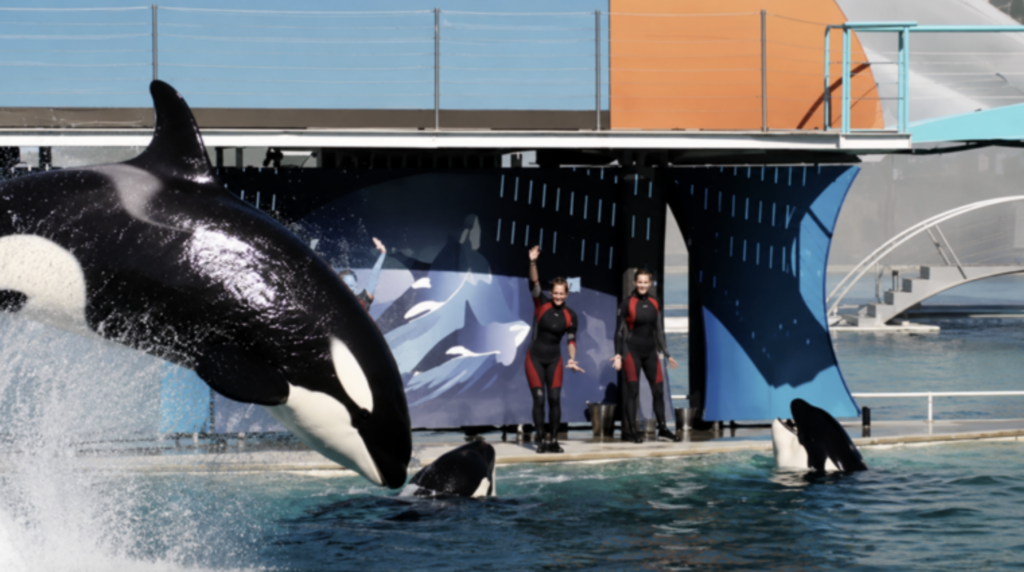
By the time of her death, Brancheau had spent approximately 15 years working with killer whales at SeaWorld. She had considerable experience around the animals and was regarded as one of the park’s most accomplished trainers.
Tilikum’s story, however, began thousands of miles away. He was captured near Iceland when he was still young and separated from his family. Instead of remaining in the ocean with other members of his species, he was transported into the world of marine parks.
At his first facility, his living environment was extremely different from the vast distances an orca would normally travel in the wild. He was also subjected to repeated performances and reportedly experienced aggression from other whales kept in the same enclosure.
His history became even more troubling in 1991. At the marine park where he was being held, a trainer entered the water after falling into the pool and was pulled underwater. The incident resulted in the trainer’s death.
Tilikum was later moved to SeaWorld. Years afterward, in 1999, another fatal incident occurred after a man entered the orca’s enclosure after the park had closed. He was subsequently discovered dead inside the enclosure.
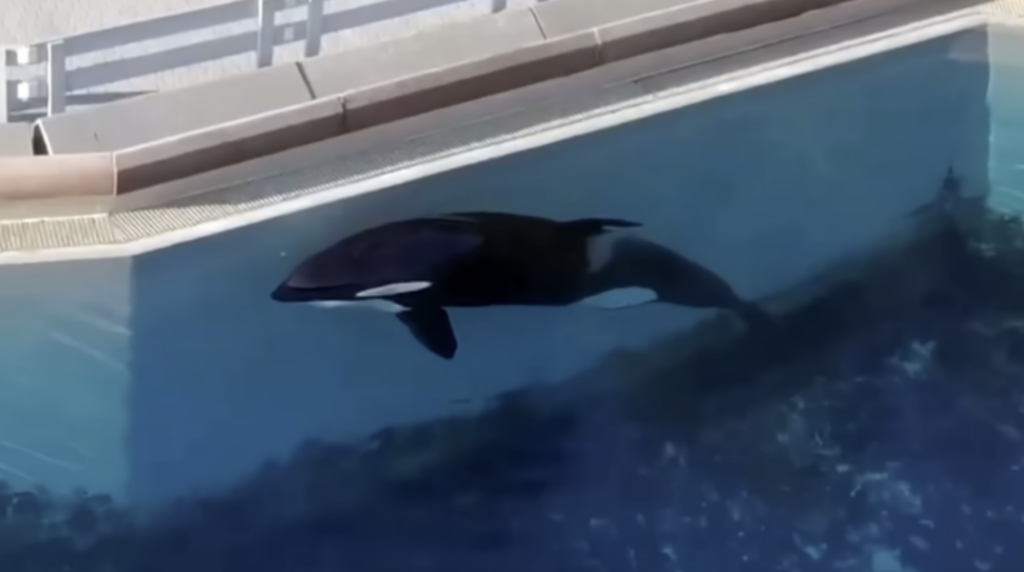
Even with those incidents in his past, trainers continued working with Tilikum. Many believed that the whale was capable of developing strong relationships with humans. Brancheau had worked with him closely, which made the events of 2010 especially difficult for those who knew her.
There has never been a universally accepted explanation for exactly why Tilikum attacked Brancheau. Researchers and animal behavior experts have discussed several possible contributing factors, including the effects of prolonged captivity and the stress associated with living and performing in an artificial environment.
Another perspective emphasizes the fundamental nature of the animal itself. Orcas are extraordinarily powerful predators, and training can shape their behavior without eliminating their natural instincts or completely removing the potential risks of close human interaction.
Following Brancheau’s death, SeaWorld’s procedures for working with orcas came under intense scrutiny. The tragedy resulted in significant changes to how trainers interacted with the animals, including preventing trainers from entering the water with orcas during performances.
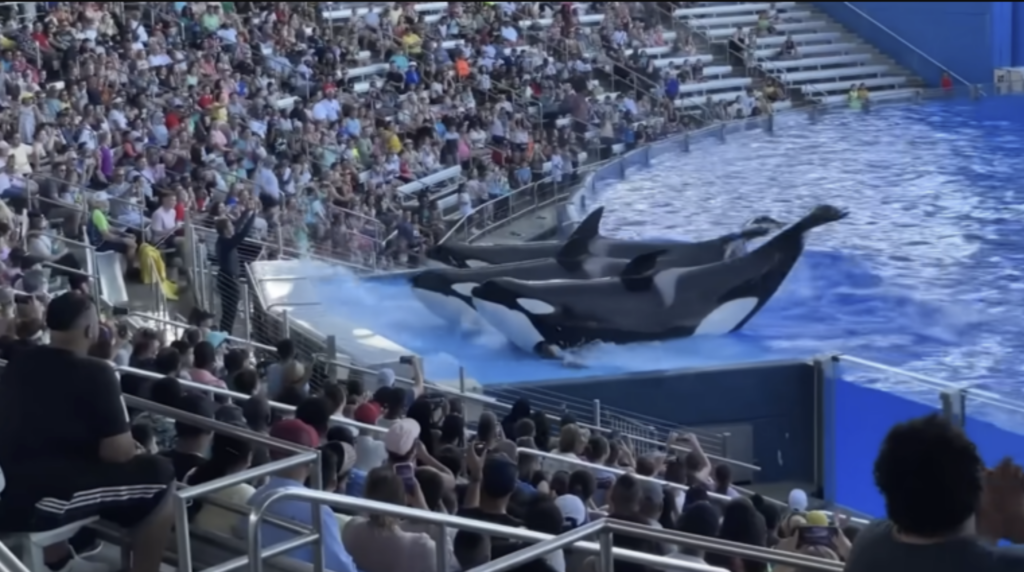
The incident also became part of a much larger discussion about whether killer whales should be kept in captivity. Tilikum’s history received worldwide attention, particularly after the documentary Blackfish examined his life and questioned the conditions experienced by captive orcas.
The debate continued for years. In 2016, SeaWorld announced that it would stop breeding orcas. The whales already living at its facilities would therefore represent the final generation of orcas kept by the company.
Dawn Brancheau’s death continues to be remembered as a tragic event involving an animal whose life had already been shaped by captivity and human interaction. It also changed the conversation surrounding marine parks, animal performances, trainer safety, and the complicated relationship between people and powerful wild animals.