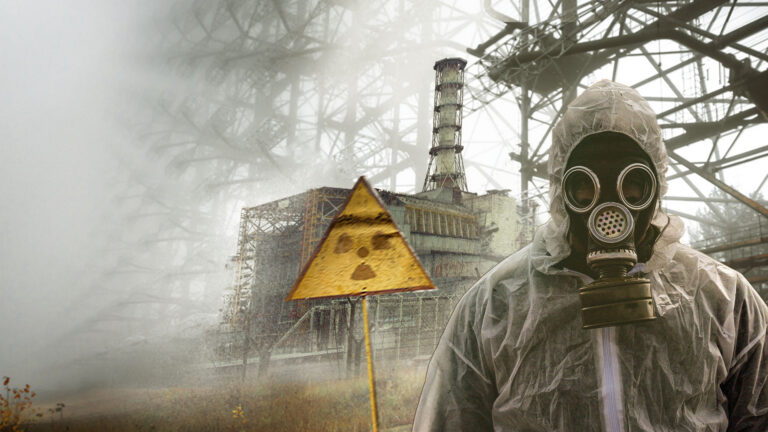
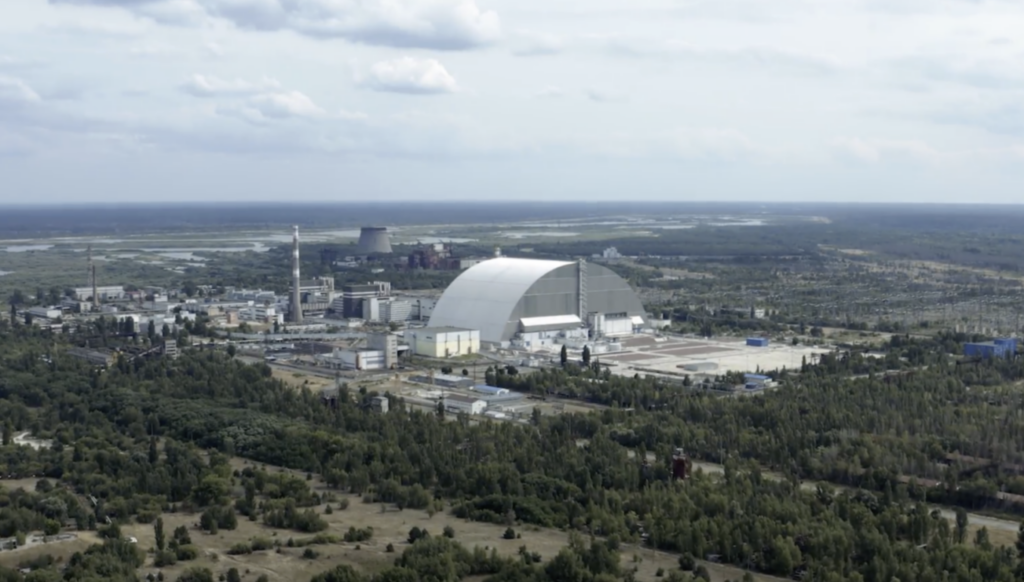
On a crisp April morning in 1986, the world stood in awe, terrified of the most catastrophic nuclear meltdown ever witnessed. And this power plant, located in Ukraine, became forever synonymous with the word disaster.
Inadequately built and poorly staffed, The Chernobyl Power Complex failure killed 30 people within the first few weeks following the fire. And it displaced hundreds of thousands of citizens living within 30 kim (18 m) radius.
This singular event released the most radioactive material in the history of civilian nuclear disasters. In response, the government mandated an exclusion zone of 4,300 sq km (1,660 sq mi) around the plant, making it illegal to live near this nuclear atrocity.
But if you were to settle in this area today, would the water be safe to drink? Where would you find shelter? How would your body react?
Built during the turbulent years of the Cold War, this nuclear power plant wasn’t designed in a culture of safety. While it’s failure lead to an unprecedented cooperation between two rival superpowers, the effects of the escaped radiation permeate the land to this day.
This once-forbidden area, known as the exclusion zone, borders on present day Ukraine and Belarus. In 2010, the Belarus government allowed resettlement by the area surrounding the reactor, reclassifying 211 villages and hamlets.
Once considered too contaminated to live in, the lowered regulations were meant to restore normalcy for the relocated citizens. But if you want to survive in this former wasteland, follow these steps to avoid your own personal fallout.
Step 1. Protect Your Skin
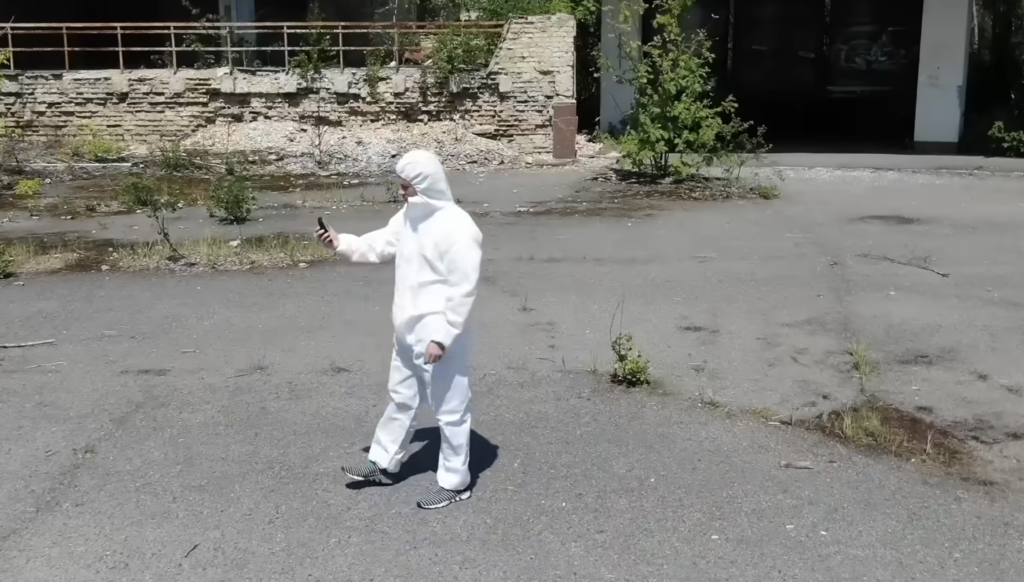
One engineer observed the physical changes in himself and his colleagues following the accident. Some operators looked sick and pale, while others had bright red skin from the prolonged exposure to the radiation.
His skin turned sunburnt red from where his body wasn’t covered. With temperatures in this area dropping to -20 °C (–4 °F), covering up won’t be an issue during the winter.
But wearing long sleeves and pants during the warmer months will prevent higher exposure to the radioactive material still lingering in the air.
Step 2. Monitor Radiation Levels
If you’re exposed to more than 700 millgrays of radiation in a short period, you could develop Acute Radiation Syndrome. Within moments following exposure, you could experience nausea, vomiting, anorexia, and diarrhea.
If you don’t recover from this disease, you could die within months. Wearing a personal radiation dosimeter will help you to monitor your exposure to radiation, and keep you safe from this invisible threat.
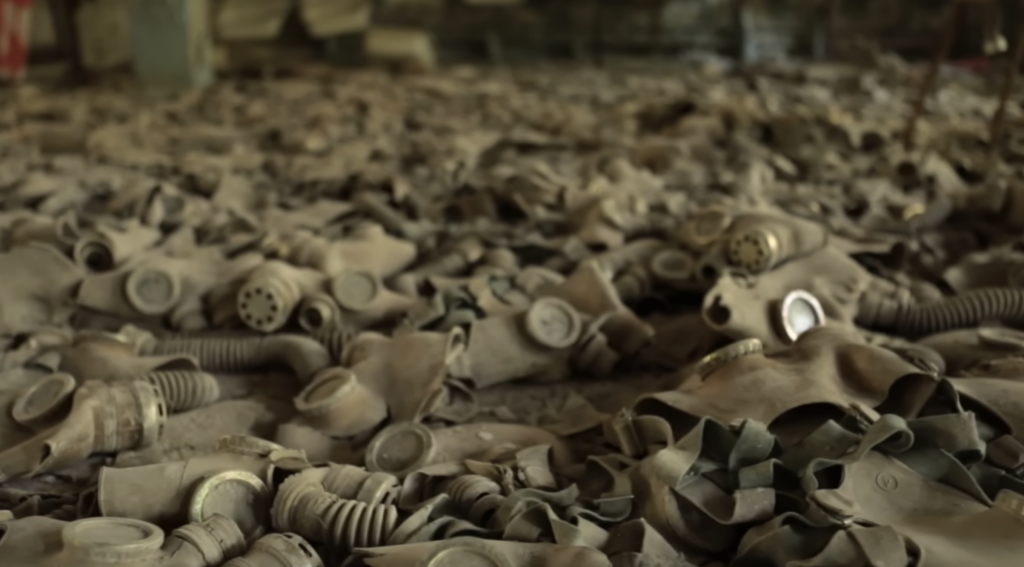
Step 3. Avoid Hotspots
Estimates for the contamination rate for the exclusion to return to normal vary from 20 to several hundred years. However, the radiation levels in the power plant won’t decrease for another 20,000 years.
If you go into these highly dangerous areas, remove your outer layers of clothing and place into a plastic bag after you leave. Decontaminate your body immediately, and keep any abrasions or open wounds covered.
Step 4. Join the Community
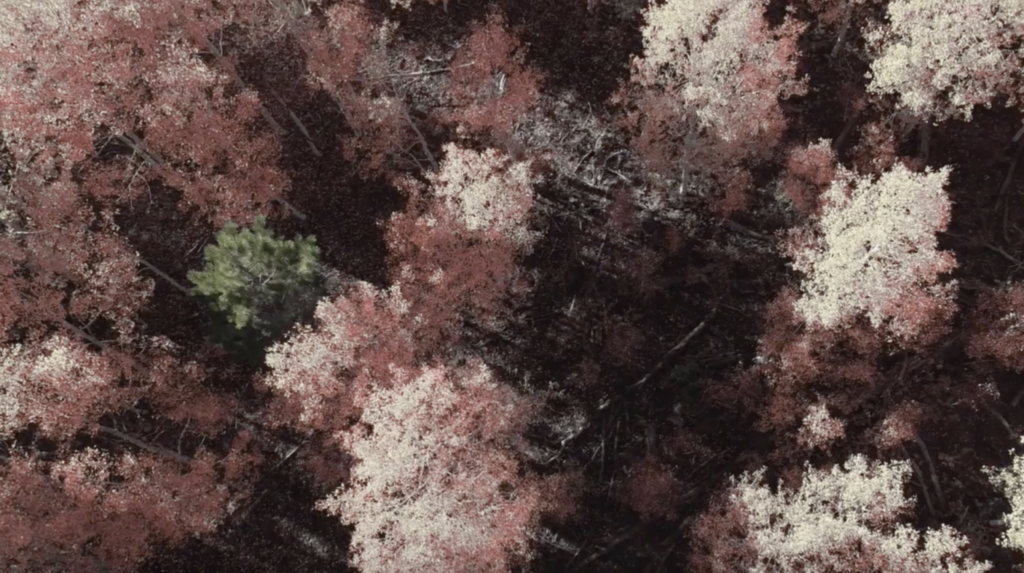
The Red Forest, named for its dead pine trees, remains one of the most radioactive places on Earth. Living like a hermit won’t help you here.
With 220,000 people resettled in the less contaminated areas, your best chance for survival lies in joining the community. And while you might have the internet access to vlog about your new adventure, you still need to boil your water before drinking.
The water may not be radioactive, but it might be contaminated. Residents living in former exclusion zones have access to free healthcare and utilities, prompting many low-income families to move here.
While the risk seems high, scientists claim the radiation levels in this area are less than on the plane you took to get here. At only two people per square km (0.4 sq mi) in this Ukrainian hamlet, nosey neighbors won’t be a problem.
But endearing yourself to the locals will give you with access to knowledge and resources that you won’t find in a radioactive campsite.
Step 5. Learn to Farm
Don’t expect to find the amenities of Main Street in this rural area. If you’re looking for fresh produce and protein, you’re better off growing it yourself.
The jury is still out on the amount of soil contamination. But if you bring in soil and livestock from other areas, you could prevent radiation poisoning in your next meal.
Save your bullets though, because wildlife in this area could be highly irradiated. Instead of hunting, learn to create safe, sustainable food sources, and cultivate livestock on your land.
Prepare for the long, dark winter by preserving your food, and bottling water. If you adopt this agrarian lifestyle, you could fare better in the long-term, rather than living like a tourist in the moment.