Most leeches are small enough to fit on a fingertip, but some species can grow to astonishing sizes. In the rivers of South America, certain leeches have adapted to survive by feeding on the blood of animals and, occasionally, humans.
One of the most unusual examples is the Amazonian leech, which can grow up to 45 centimeters (17.7 inches) long and 10 centimeters (4 inches) wide. Its powerful jaws allow it to attach firmly to its host while a sucker helps it draw blood.
These creatures have a particularly effective way of keeping blood flowing. Their saliva contains hementin, a substance that prevents blood from clotting, allowing them to continue feeding while they remain attached to their prey.
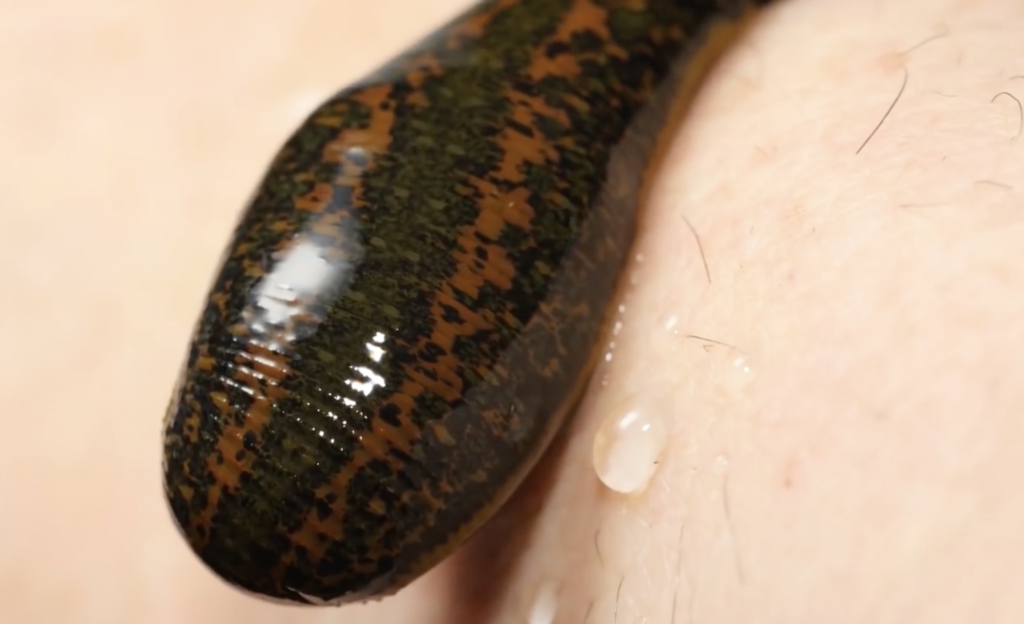
The Amazon is also home to another unusual species known as the Tyrant King leech. It can grow up to 8 centimeters (3 inches) long and has teeth that are about five times longer than those of other leeches.
For one six year old boy, an encounter with one of these creatures happened after he had bathed in a river. He later began complaining of headaches, leaving doctors to investigate what could be causing the unusual symptoms.
The answer was far more unexpected than a typical infection or injury. Doctors discovered a Tyrant King leech inside his nose.
The discovery showed just how easily a leech can go unnoticed when it finds a place where it can feed. Once attached, a leech can remain in position while continuously drawing blood, making the problem difficult to recognize at first.
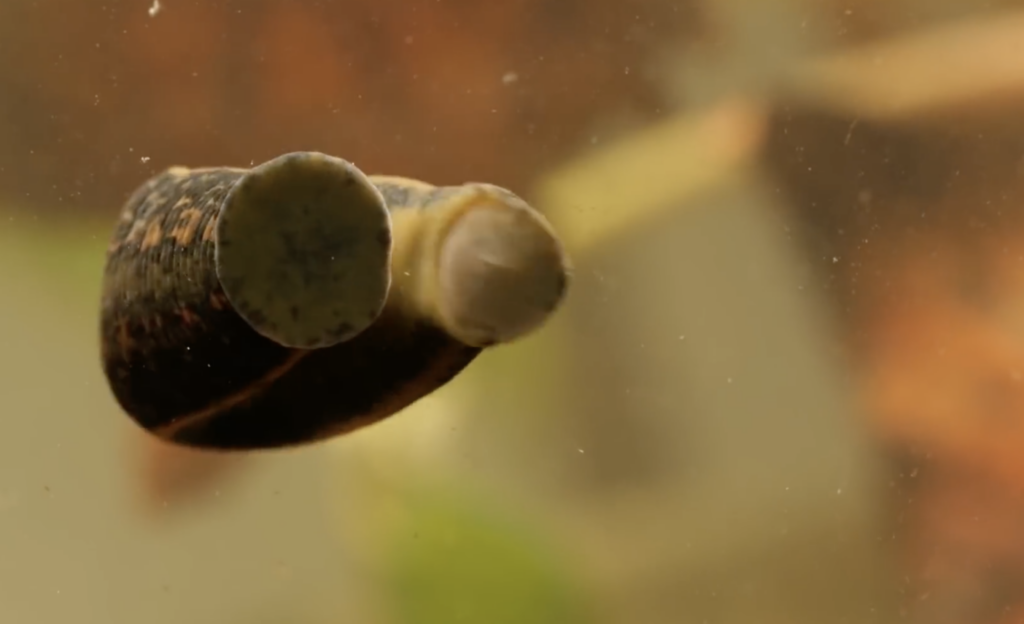
The boy’s case is particularly unusual because the creature had managed to enter an area where it could remain hidden. A person might mistake the sensation for congestion or another minor irritation, especially after spending time in a river.
The Tyrant King leech is adapted for feeding on blood, and its physical characteristics make it an effective parasite. Its teeth help it attach to its host, while substances in its saliva keep blood flowing.
Leeches can also become dramatically larger while feeding. Some species are capable of taking in several times their normal body weight as they become engorged with blood.
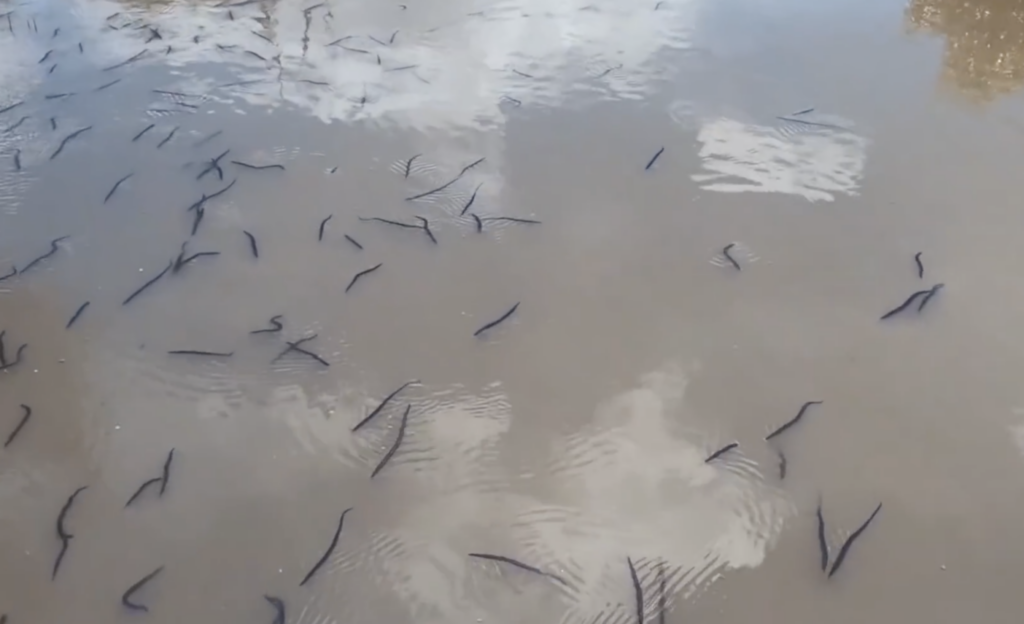
For anyone swimming in rivers where leeches are present, avoiding contact with the animals is the simplest way to reduce the risk of an unwanted encounter. Wearing appropriate protective clothing and checking the body after leaving the water can also help detect one before it becomes a larger problem.
And if something seems to be moving inside your nose after swimming in a river, it is not something to ignore. The six year old boy’s experience shows that an ordinary river swim can sometimes lead to a very unexpected medical discovery.