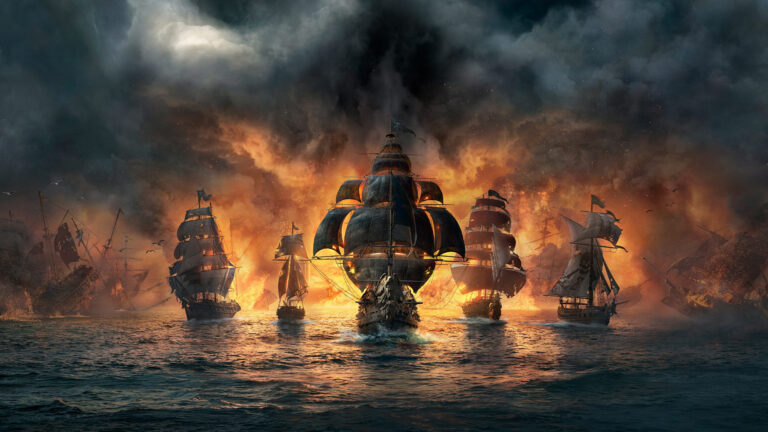
An alarm blares across the ship. People start shouting. Then you hear it, gunfire. This is not a movie, and Captain Jack Sparrow is not coming to help you.
Somewhere out on open water, pirates are boarding your ship.
What once feels like a peaceful cruise or luxury yacht trip can turn into a life threatening situation in seconds. Modern piracy is not just history or fiction. It still happens, especially in high risk regions at sea, where cargo ships are often targeted and sometimes cruise routes pass nearby. Many incidents also go unreported, which makes the threat harder to track.
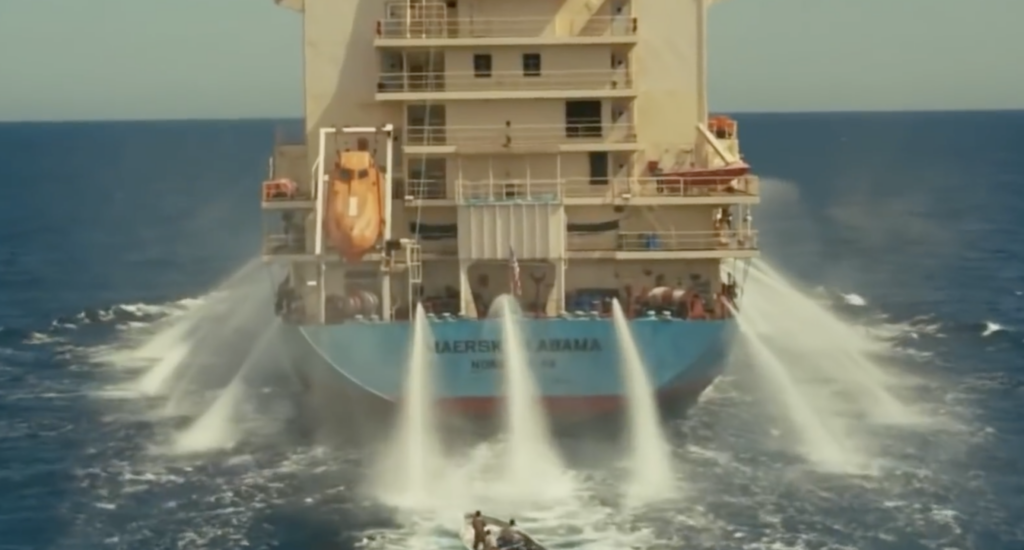
Today’s pirates are not swinging swords. They use automatic weapons, speed boats, and coordinated attacks. Some operate in organized groups across regions like the waters near Somalia, the Malacca Strait, and parts of Southeast Asia.
So what actually happens if you are caught in a pirate attack?
The truth is simple. Most people would struggle to handle it because survival depends less on bravery and more on control, timing, and complete awareness of a chaotic situation.
The first problem is confusion. During an attack, you will not know how many pirates are on board, where they are coming from, or how heavily armed they are. That uncertainty alone makes decision making difficult.
Your best chance is to follow instructions from the ship’s crew immediately. If no guidance is available, finding a secure place and staying hidden becomes critical. Movement increases risk, especially when visibility and communication are limited.
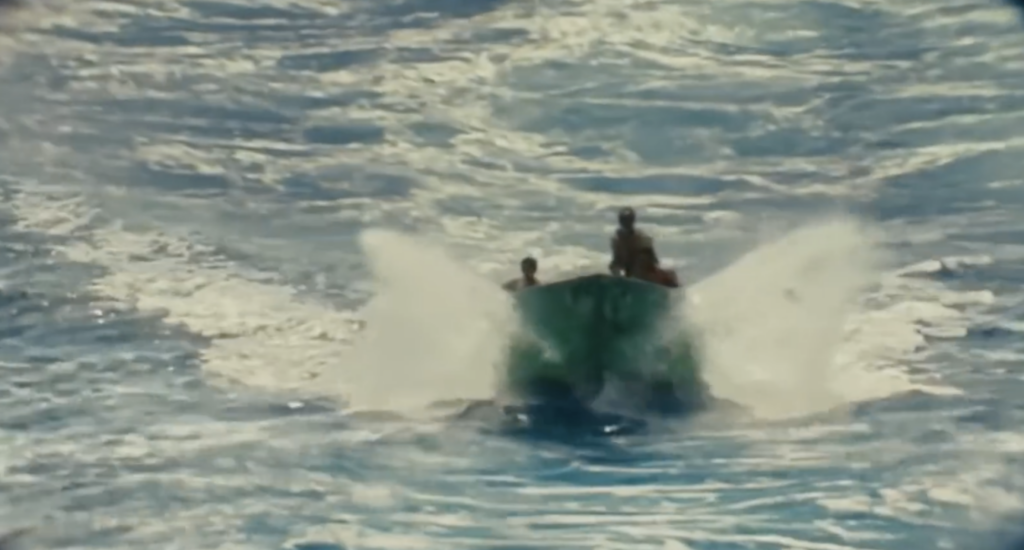
Communication itself becomes another challenge. If you are able to do so safely, silently contacting emergency services or someone off the ship can make a difference. But in many cases, silence is the only protection you have.
Waiting is often the hardest part. You may not know what is happening outside your location. You may not know if the attackers are nearby. But revealing yourself too early can increase danger significantly.
In rare situations where hiding is not possible, staying low and moving carefully toward crew members or secure areas may be necessary. But this increases exposure and risk, especially because modern piracy can involve kidnapping or violence beyond simple theft.
What makes piracy especially dangerous is that it is not random chaos. It is often planned, targeted, and financially motivated. Cargo ships are the most common targets because of the value they carry, sometimes reaching millions in stolen goods.

Statistics show that thousands of piracy related incidents have occurred globally in recent decades. While the odds of experiencing one personally are relatively low, the consequences if it does happen are severe enough that preparation matters.
And the biggest reason most people would not survive such a situation is not lack of strength.
It is panic.
Because in a pirate attack, the environment changes faster than most people can process, and hesitation can be the difference between safety and capture.
In the end, the safest strategy is not confrontation or heroics. It is prevention. Choosing safer routes, following security guidance, and avoiding high risk waters reduces exposure entirely.
Because once you are in the middle of a pirate attack, you are no longer in control of the situation.