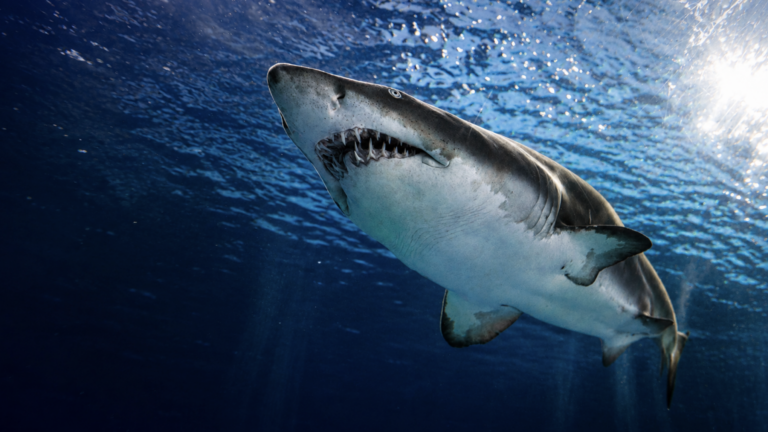
When most people think of sharks, they picture a powerful predator lurking beneath the waves. Movies, news stories, and popular culture have helped give sharks a fearsome reputation. But despite their intimidating appearance, sharks play a crucial role in keeping our oceans healthy and balanced.
Without them, entire marine ecosystems could begin to collapse.
Sharks Are Nature’s Ocean Managers
Sharks sit near the top of the food chain, making them one of the most important predators in the ocean. By hunting sick, weak, and injured animals, they help maintain healthier populations of fish and other marine creatures. This natural selection process prevents diseases from spreading and keeps ecosystems functioning properly.
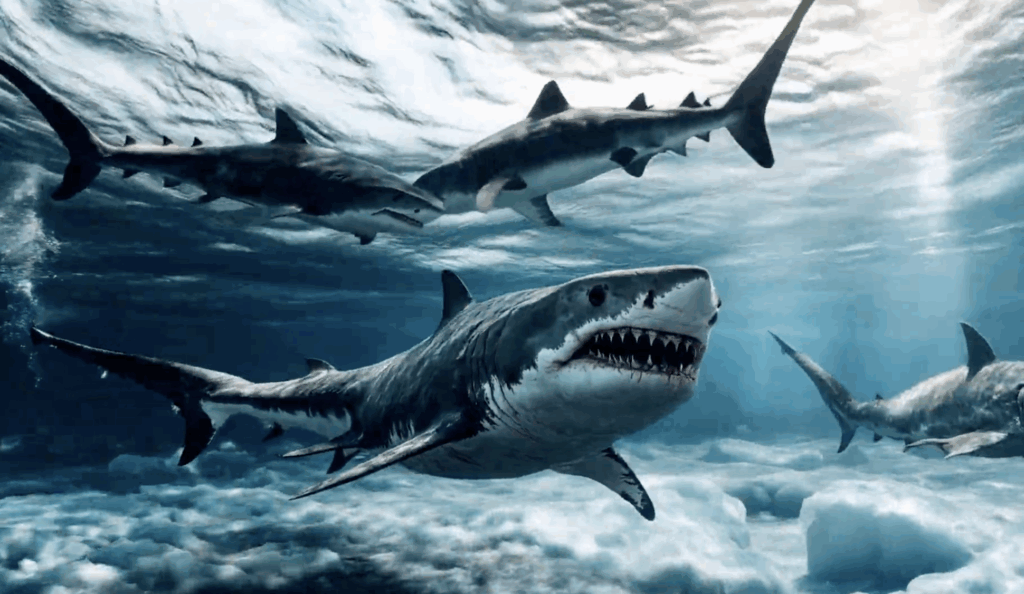
Their influence extends far beyond the animals they directly hunt. Because sharks help regulate the numbers of other species, they indirectly affect everything from coral reefs to seagrass meadows. Scientists often refer to them as “keystone species” because their presence has such a large impact on the environment around them.
They Help Protect Entire Ecosystems
One of the most surprising things about sharks is how much they contribute to the health of marine habitats. In areas where shark populations decline, the balance of the ecosystem can be disrupted. Certain prey species may increase dramatically in number, leading to overgrazing and damage to important habitats.
For example, healthy shark populations can help protect seagrass beds by controlling the behavior and numbers of grazing animals. These underwater meadows provide shelter for countless species and store significant amounts of carbon, making them important in the fight against climate change.
Shark Attacks Are Extremely Rare
Despite their reputation, sharks are far less dangerous to humans than many people believe. Millions of people enter the ocean every year, yet shark attacks remain incredibly uncommon. Humans are not a preferred food source for sharks, and most interactions occur because of mistaken identity or curiosity.
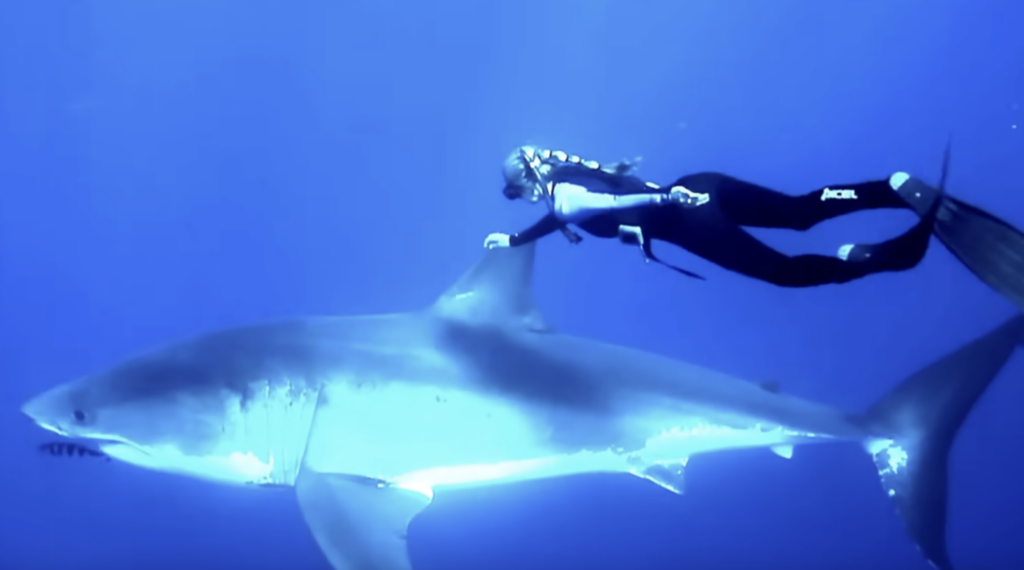
The fear surrounding sharks often overshadows the reality that humans pose a much greater threat to sharks than sharks do to us. Every year, millions of sharks are killed through fishing, bycatch, and habitat destruction.
Sharks Possess Extraordinary Abilities
Sharks have evolved over hundreds of millions of years and possess some remarkable biological adaptations. Their senses are highly refined, allowing them to detect tiny vibrations, electrical signals, and movements in the water. Some species can locate prey hidden beneath sand or detect activity from impressive distances.
These abilities make sharks incredibly effective hunters, but they also provide scientists with valuable insights into how animals perceive their environment.
Sharks Could Inspire Future Technology
Researchers are increasingly studying sharks to develop new technologies. Their streamlined bodies have inspired designs that reduce drag in water. Shark skin, covered with tiny tooth-like structures called dermal denticles, has influenced the creation of surfaces that resist bacteria and improve efficiency.
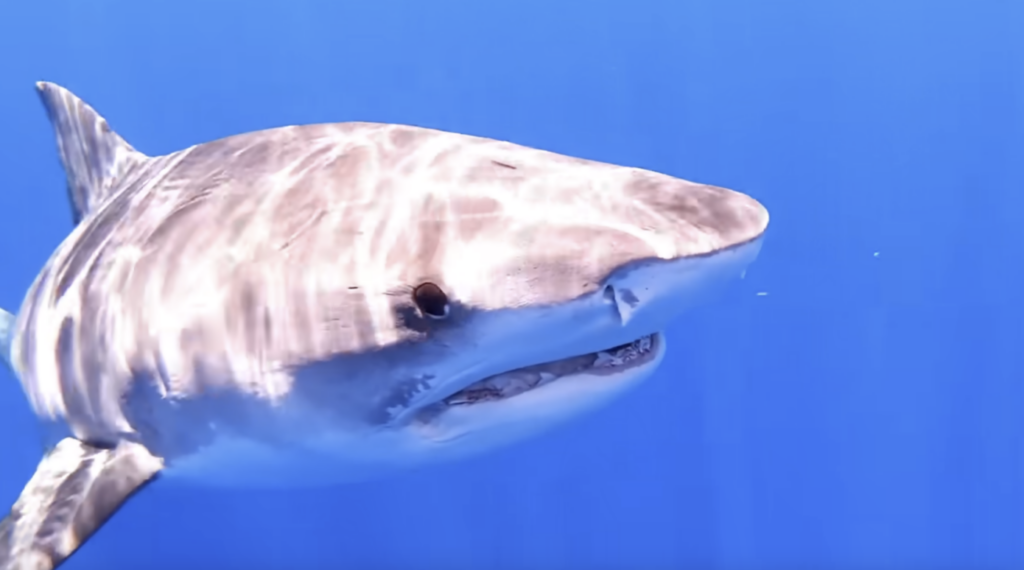
Scientists continue to investigate how shark anatomy and behavior could contribute to advances in engineering, medicine, and robotics. The solutions nature has developed over millions of years may help solve some of humanity’s modern challenges.
Why Shark Conservation Matters
Many shark species are facing serious threats due to overfishing and habitat loss. Because sharks typically grow slowly and produce relatively few offspring, their populations can take decades to recover once depleted.
Protecting sharks is not just about saving a single group of animals. It is about preserving the balance of marine ecosystems that support countless other species, including humans. Healthy oceans provide food, jobs, and environmental stability for billions of people around the world.