On the morning of March 20, 1995, millions of commuters packed into Tokyo’s subway system just as they did every weekday. Trains arrived on schedule. Office workers sipped coffee. Students hurried to class. Nothing seemed unusual.
Then people began collapsing.
Passengers suddenly found themselves coughing uncontrollably. Others complained of burning eyes and blurred vision. Some vomited on crowded train floors. Within minutes, panic spread through stations across the city as victims staggered onto platforms, choking and struggling to breathe.
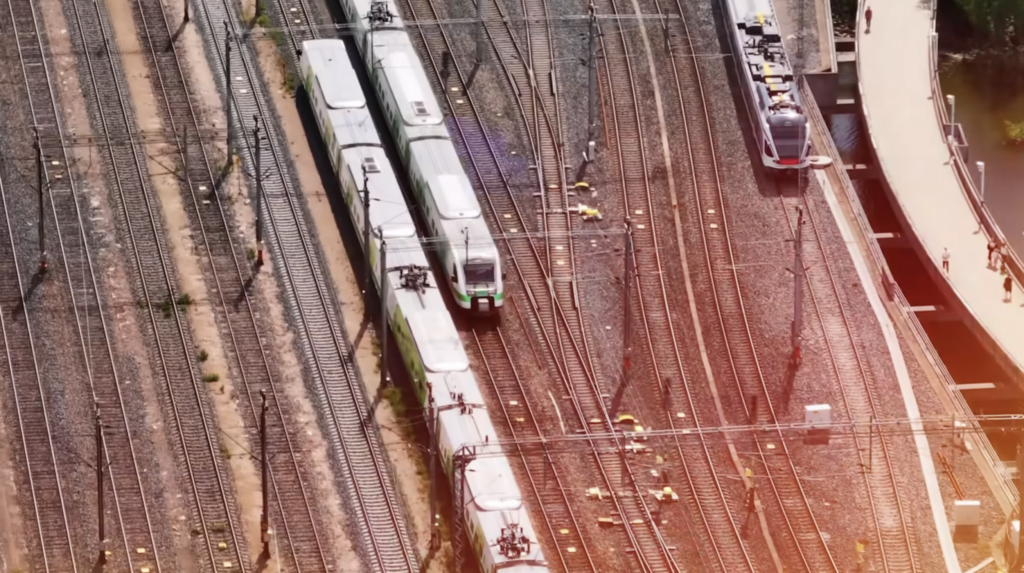
What unfolded that morning would become one of the most shocking terrorist attacks in modern history and the first large scale use of a military grade nerve agent against civilians in a public transportation system.
The attack was carefully planned. Five men boarded separate subway trains during Tokyo’s busy rush hour. Each carried packages wrapped in newspaper. Hidden inside was liquid sarin, one of the deadliest nerve agents ever developed.
Originally created during chemical weapons research, sarin attacks the nervous system by disrupting the body’s ability to regulate muscles and organs. Victims can experience blurred vision, difficulty breathing, convulsions, paralysis, and death. In severe cases, the muscles responsible for breathing stop functioning entirely.
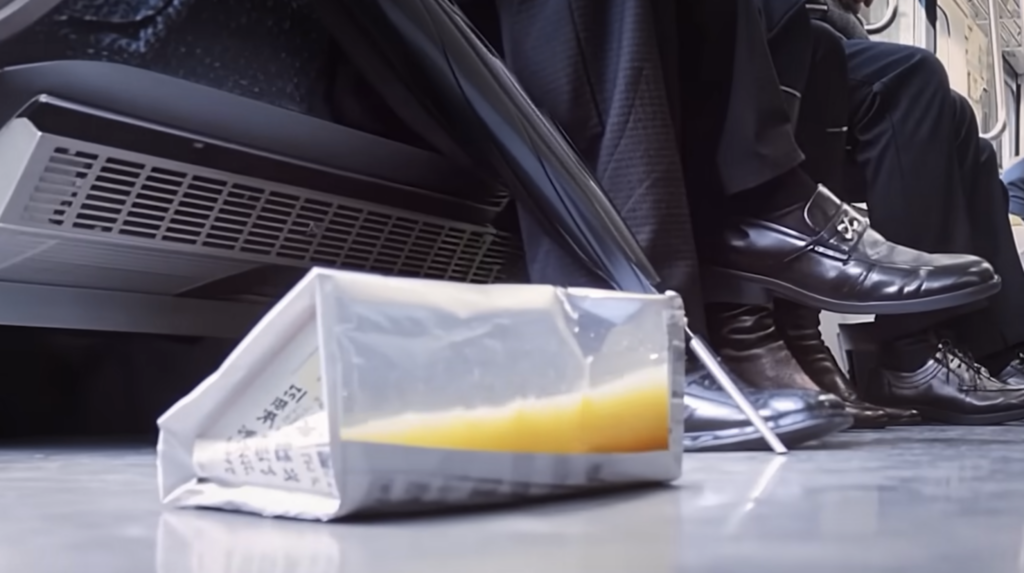
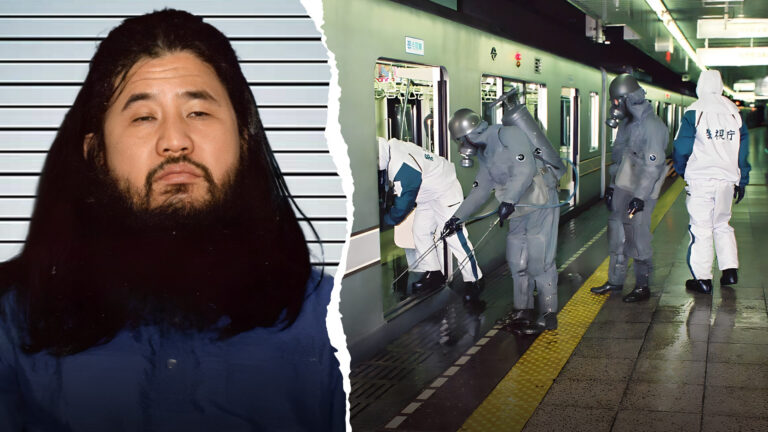
The attackers punctured their packages with sharpened umbrella tips before leaving the trains. As the liquid leaked and evaporated, toxic fumes spread through subway cars and stations.
Many passengers had no idea what was happening. Some initially believed there had been an electrical fire or a chemical spill. Others continued riding the trains despite feeling ill, unknowingly spreading contamination throughout the network.
One of the hardest hit locations was Kasumigaseki Station, located near Japan’s government offices. Victims collapsed before trains had even reached the platform. Station workers rushed to investigate leaking packages without realizing the danger.
Among them was Kazumasa Takahashi, a subway employee who handled one of the contaminated bags while trying to protect passengers. He later died from exposure.
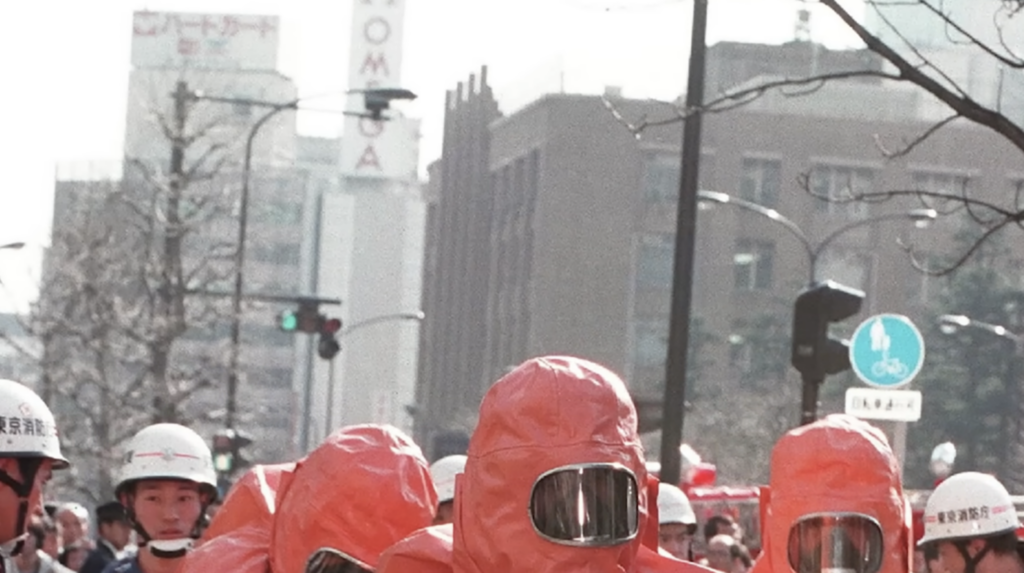
Emergency services quickly became overwhelmed. Hospitals across Tokyo filled with victims suffering mysterious symptoms. Doctors initially struggled to identify the cause. Patients arrived by the hundreds, some unconscious and others barely able to speak.
By the end of the day, 13 people had died. More than 5,000 sought medical treatment, and many survivors suffered long term neurological and psychological effects that would last for years.
As authorities scrambled for answers, attention turned toward an unlikely suspect: a religious cult known as Aum Shinrikyo.
Founded by Chizuo Matsumoto, later known as Shoko Asahara, Aum began as a yoga and meditation group during the 1980s. Asahara presented himself as a spiritual leader with supernatural abilities and attracted thousands of followers. Many were highly educated scientists, engineers, doctors, and university graduates searching for purpose and meaning.
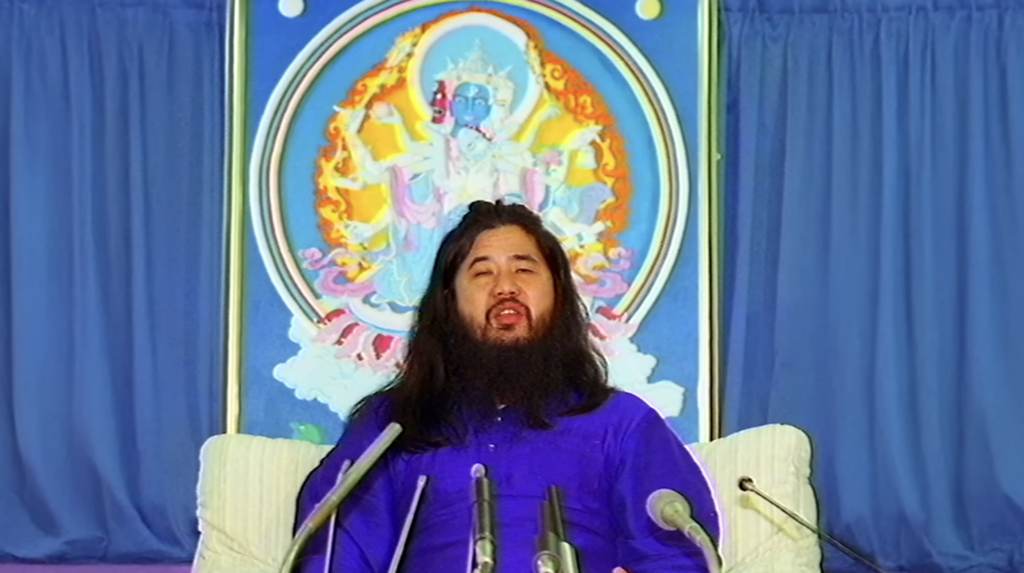
Over time, however, the organization became increasingly extreme.
Aum combined elements of Buddhism, Hinduism, Christianity, apocalyptic prophecy, and science fiction into a bizarre belief system centered around the idea that a global catastrophe was approaching. Asahara convinced followers that only the group would survive the coming apocalypse.
The cult accumulated enormous wealth and built a secret infrastructure that included laboratories, manufacturing facilities, and research programs dedicated to developing chemical and biological weapons.
One of their key recruits was chemist Masami Tsuchiya, who helped produce sarin gas for the organization. Before the Tokyo attack, Aum had already tested sarin in the city of Matsumoto in 1994, killing eight people and injuring hundreds more.
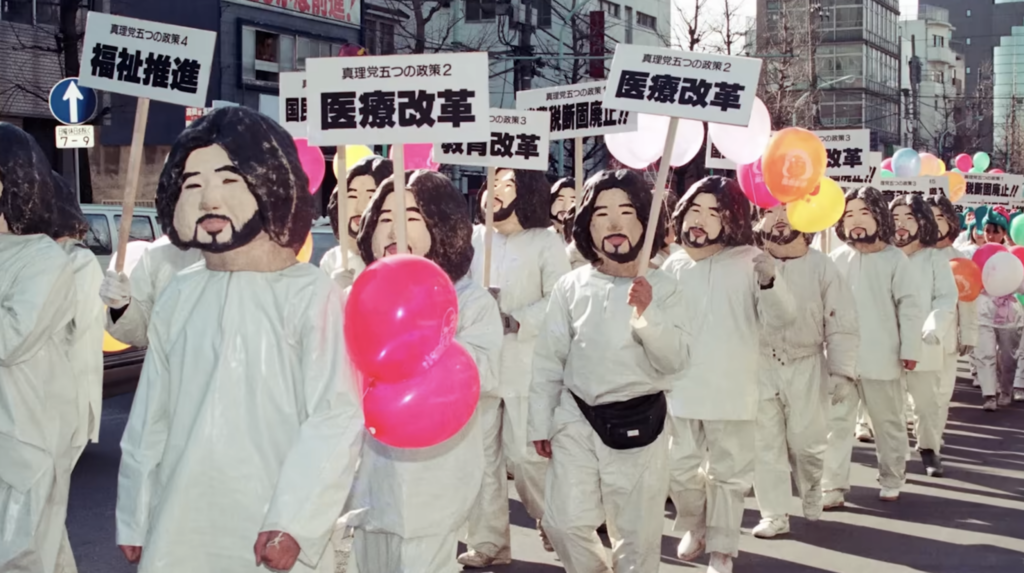
Authorities suspected the cult, but evidence was limited.
Everything changed after the subway attack.
One of the attackers, former heart surgeon Ikuo Hayashi, was horrified by the devastation he saw on television after carrying out the mission. Overcome with guilt, he surrendered to police and revealed the details of the operation, the identities of those involved, and the role played by Asahara.
The confession led to one of the largest criminal investigations in Japanese history. Police raided Aum facilities across the country and discovered chemical weapons laboratories, stockpiles of dangerous materials, and evidence linking the cult to multiple murders and terrorist plots.
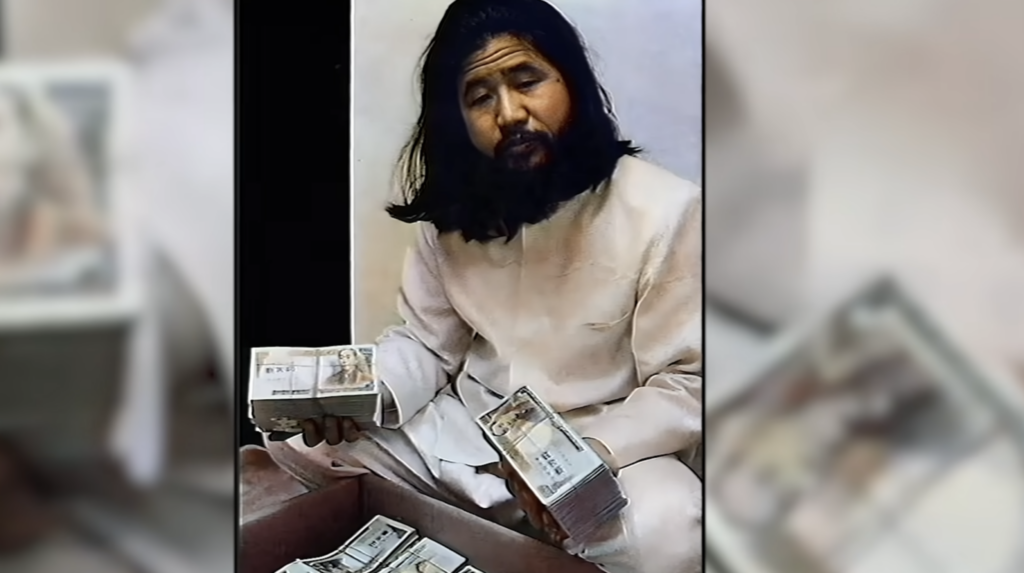
Shoko Asahara and numerous senior members were eventually convicted. In the years that followed, 13 leading members of the cult, including Asahara, were sentenced to death.
The Tokyo subway attack forced Japan to rethink public safety and emergency preparedness. Hospitals improved their response to chemical incidents. Transportation systems upgraded safety procedures. Specialized hazardous materials teams became better equipped to deal with future threats.
More than three decades later, the attack remains a chilling reminder that some of the greatest dangers can be invisible. On that ordinary March morning, thousands of people boarded trains expecting another routine commute. Instead, they became victims of one of the deadliest acts of domestic terrorism in modern history.
The horror lasted only a few hours, but its impact is still felt in Japan today.