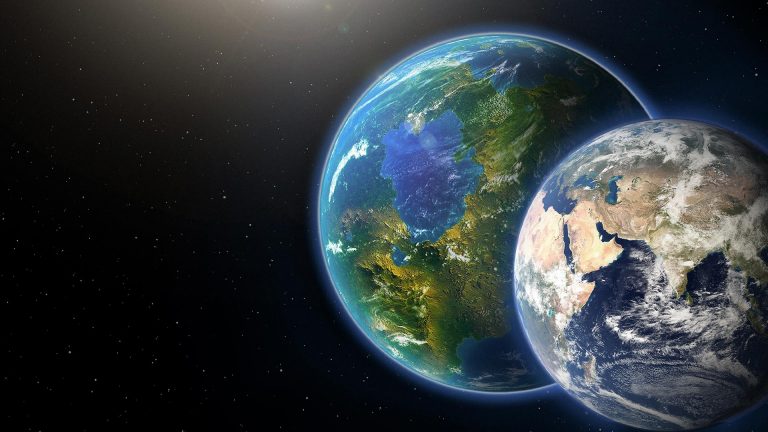
Could we be on the verge of finding a second Earth? Astronomers are searching the galaxy for a world that could support life as well as, or perhaps even better than, our own planet. Every new exoplanet discovery brings us one step closer to answering one of humanity’s biggest questions. Could another Earth already be waiting for us among the stars?
How would scientists discover a second Earth? What makes a distant planet truly habitable? And if we found one tomorrow, how long would it take to get there?
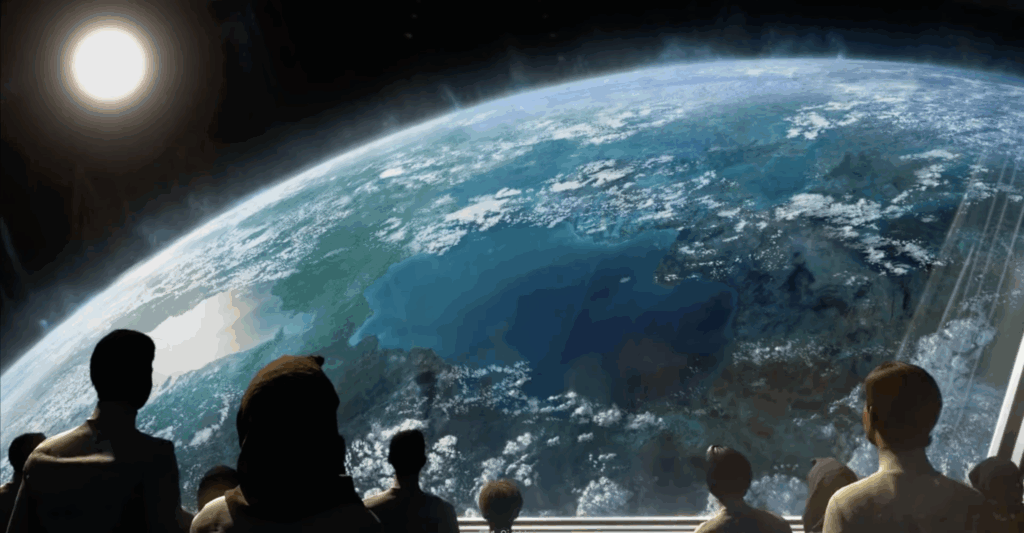
You can’t simply point a telescope toward the sky and see an Earth like planet. The overwhelming brightness of the stars they orbit hides them from view. That is why NASA created the Kepler Space Telescope, a mission dedicated to finding planets beyond our Solar System.
Before its mission ended, Kepler carefully surveyed a section of the Milky Way. Instead of photographing planets directly, it relied on the transit method. This technique detects tiny changes in a star’s brightness whenever a planet passes in front of it.
Each time a planet crosses between its star and the telescope, the star appears ever so slightly dimmer. By measuring these repeated dips in light, Kepler was able to identify distant exoplanets located hundreds of light years away.
Detecting these tiny fluctuations is incredibly difficult. Even so, during its nine year mission, Kepler confirmed the existence of 4,367 exoplanets. Could one of these worlds become the second Earth humanity has been searching for?
Earth remains an extraordinary planet. Even when scientists describe another world as habitable, that does not necessarily mean it resembles Earth. A habitable planet is simply a rocky world located within its star’s habitable zone, where liquid water could exist on the surface.
Both Venus and Mars technically fall within that broad definition at different points in scientific discussions, yet neither offers anything close to Earth’s welcoming environment.
Scientists focus on three major conditions when searching for a possible second Earth. The first is the right kind of star. Our Sun has a lifespan of roughly 10 billion years, and it took nearly 4 billion years before complex life appeared on Earth.
K type dwarf stars live much longer, surviving for around 70 billion years. A planet orbiting one of these stars would have far more time for life to develop and flourish.
The second requirement is temperature. A world that is too hot or too cold would make survival extremely difficult. But if scientists found a planet only about 5°C warmer than Earth, with more surface water, it could be covered by vast rainforests and support remarkable biodiversity.
The third factor is size. Gravity helps a planet retain its atmosphere, and larger rocky planets generally hold onto internal heat much longer. A planet about 1.5 times the size of Earth could remain geologically active while preserving a thick atmosphere.
However, there is a limit. Around half of all planets larger than Earth are gas giants rather than rocky worlds. A planet that is too small could become cold and barren, much like Mars. So have astronomers already discovered a planet that checks these boxes?
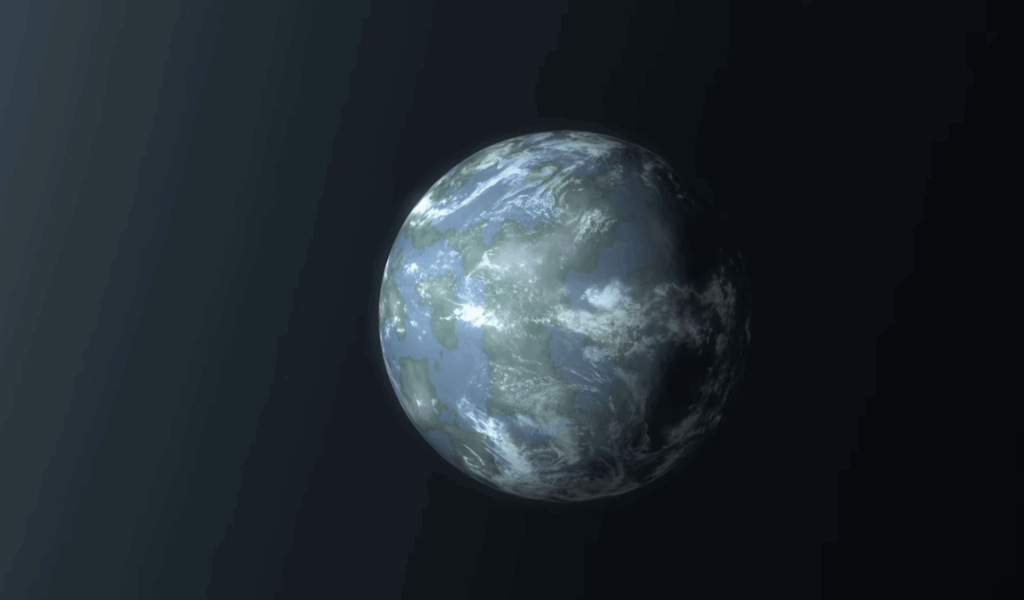
Kepler 1649c is one of the most promising candidates. Located roughly 300 light years away, it orbits a red dwarf star. It receives about 75 percent of the sunlight Earth gets, meaning its climate could be somewhat cooler. Even better, its size is remarkably close to Earth’s.
Life there would be very different. One year on Kepler 1649c lasts only 19.5 Earth days. The planet may also be tidally locked, with one side permanently facing its star while the opposite side remains in constant darkness.
There is another challenge. Red dwarf stars are known for producing powerful stellar flares that bombard nearby planets with intense ultraviolet radiation and dramatic temperature swings. Even if Kepler 1649c looks promising today, those conditions could make long term survival difficult.
Suppose scientists eventually determine that Kepler 1649c truly is the second Earth. What would happen next?
With today’s technology, reaching the planet would take at least 2,000 years. At the moment, astronomers know only its approximate size, its distance from its star, and limited details about its atmosphere. Humanity could spend generations traveling there only to discover it is far more like Neptune than Earth, making it completely uninhabitable.
Before sending people across interstellar space, scientists will need far more detailed observations. NASA is already developing advanced miniature probes that could travel at nearly one fifth the speed of light, dramatically improving what we know about distant exoplanets.
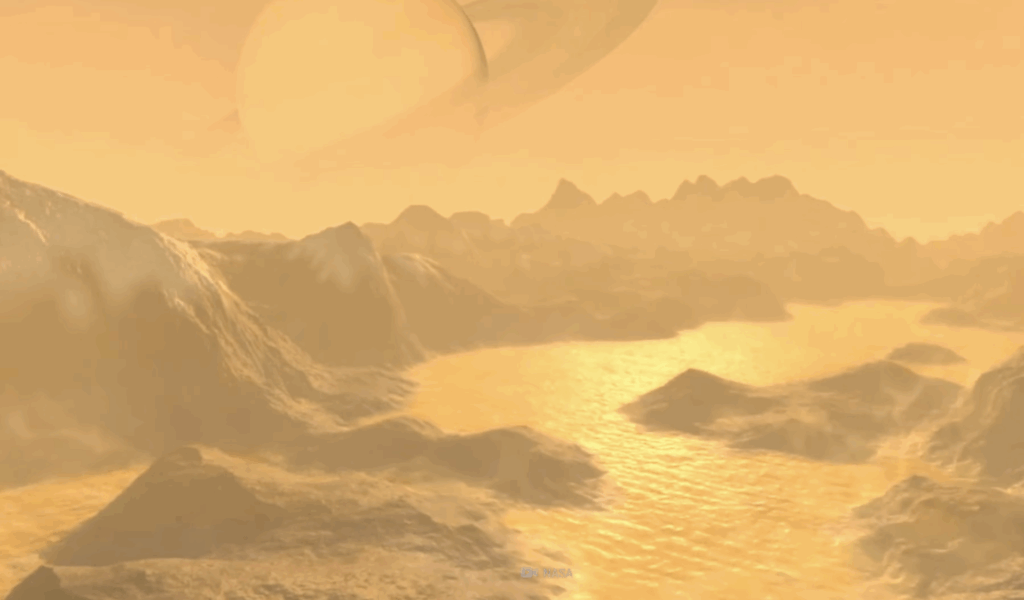
Scientists are also keeping an open mind. A moon can receive sunlight from its star while also benefiting from reflected light coming from the planet it orbits. In some cases, a moon might offer better conditions than an entire planet.
Titan, Saturn’s largest moon, remains one of the most Earth like worlds in our Solar System. While discovering a second Earth beyond our Solar System would be an incredible achievement, worlds much closer to home could still become humanity’s first destination beyond Earth.