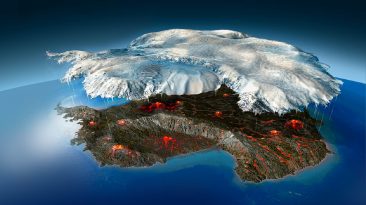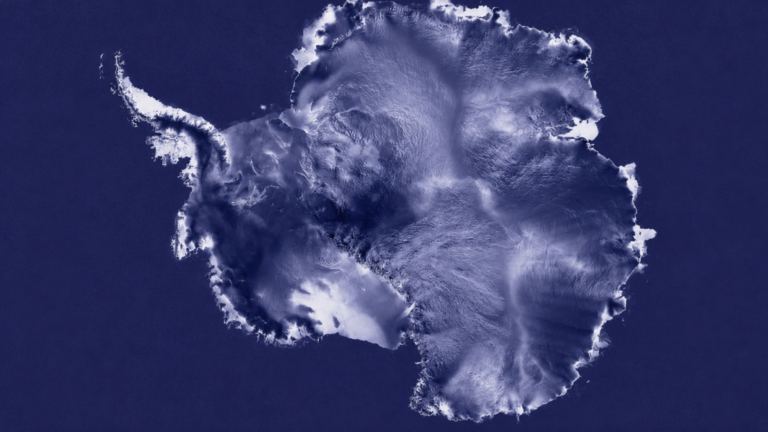
One of the greatest scientific discoveries in history may be hidden beneath nearly 13,000 feet of Antarctic ice. Deep below the frozen surface lies Lake Vostok, a massive freshwater lake that has remained completely isolated from the rest of the world for around 15 million years.
Scientists believe this hidden environment could contain thousands of previously unknown life forms that have evolved in total darkness, making it one of the most exciting places on Earth to search for new species.
Lake Vostok is the sixth largest lake on the planet, yet no human has ever explored its waters directly. Buried beneath almost four kilometers of solid ice, it has been sealed off for millions of years, creating an ecosystem unlike anything else on Earth.
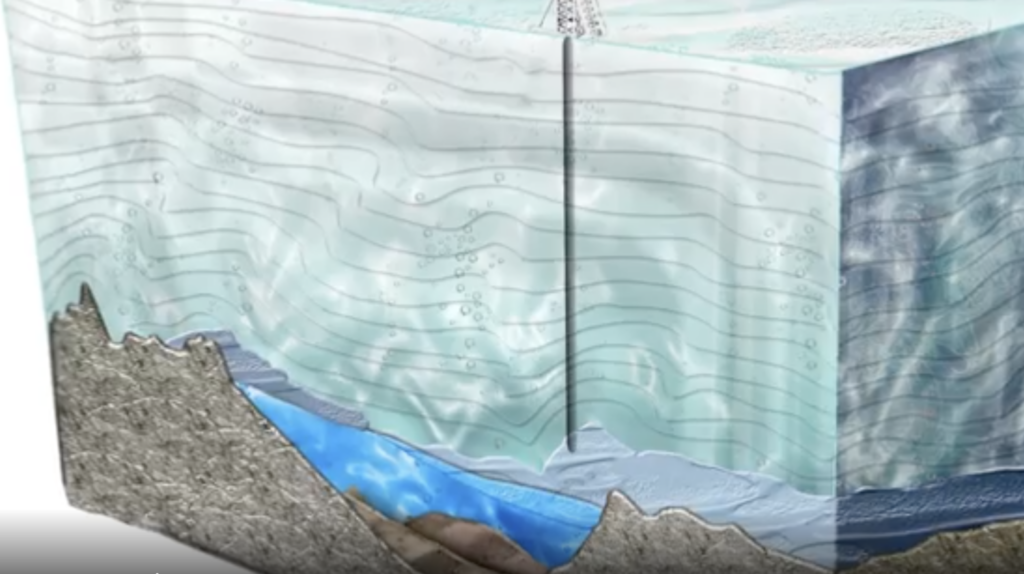
Any organisms living there would have evolved independently from every other known environment, adapting to freezing temperatures, crushing pressure, and a complete lack of sunlight.
Reaching the lake has been one of the biggest engineering challenges scientists have ever faced. After decades of drilling through Antarctica’s thick ice sheet, Russian researchers finally reached the surface of Lake Vostok in 2012.
The achievement was celebrated worldwide, but excitement quickly turned to caution when scientists realized the drilling process had contaminated the borehole with kerosene and freon, chemicals used to keep the drill from freezing.
Because of the contamination, researchers could not be certain whether any organisms found in the collected samples actually came from the lake or had been introduced during drilling. To solve this problem, scientists began drilling a new parallel borehole, carefully re drilling the final 1,600 feet using cleaner methods designed to protect the untouched waters below.
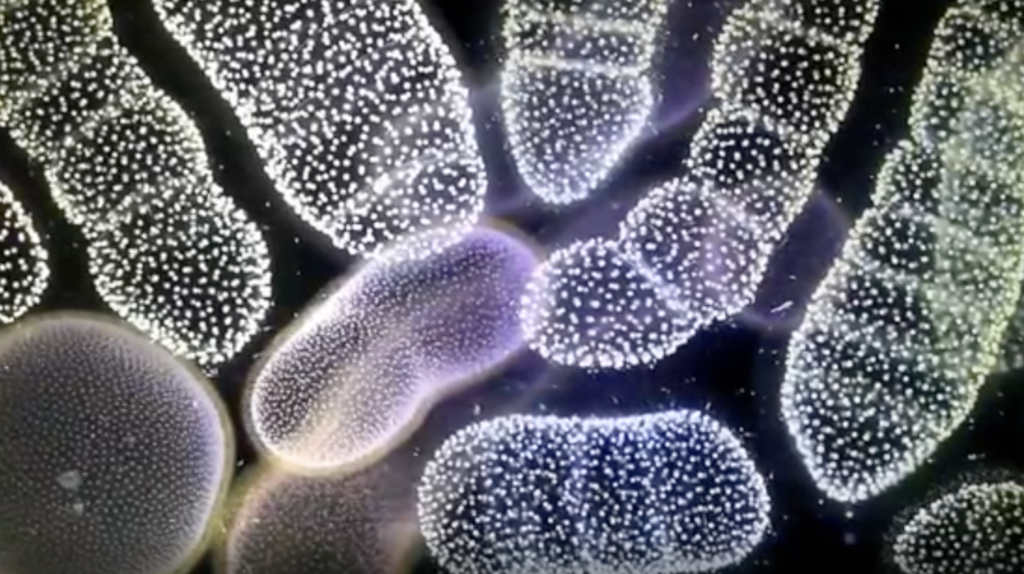
Even with these challenges, the first samples produced an astonishing surprise. Scientists identified a previously unknown bacterium whose DNA showed almost no resemblance to any other known organism on Earth. While researchers remain cautious until completely uncontaminated samples can be collected, the discovery suggests Lake Vostok may contain an entirely unique ecosystem unlike anything previously studied.
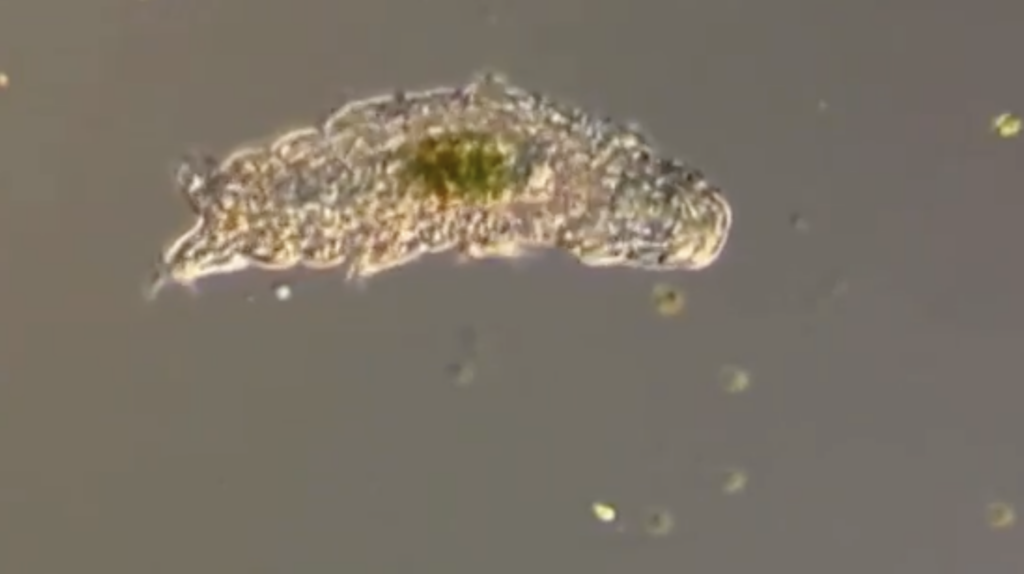
Other samples collected near the lake revealed evidence of hundreds of different microorganisms. Since contamination could not be ruled out, scientists have not confirmed these findings as native to the lake. However, many believe the true number of undiscovered species could be far greater, with thousands of completely new life forms potentially waiting beneath the ice.
The lake itself is just as remarkable as the organisms it may contain. Holding around 1,300 cubic miles of freshwater, Lake Vostok is considered one of the purest bodies of water on Earth. Despite water temperatures hovering around 26 degrees Fahrenheit, it remains liquid because the enormous pressure created by the thick ice above lowers its freezing point.
Studying this hidden world could do far more than reveal new species. Many scientists believe environments like Lake Vostok closely resemble places elsewhere in the solar system where life might exist. Underground lakes beneath the icy surface of Jupiter’s moon Europa and possible reservoirs beneath Mars have become prime targets in the search for extraterrestrial life because liquid water is considered one of the essential ingredients for life as we know it.
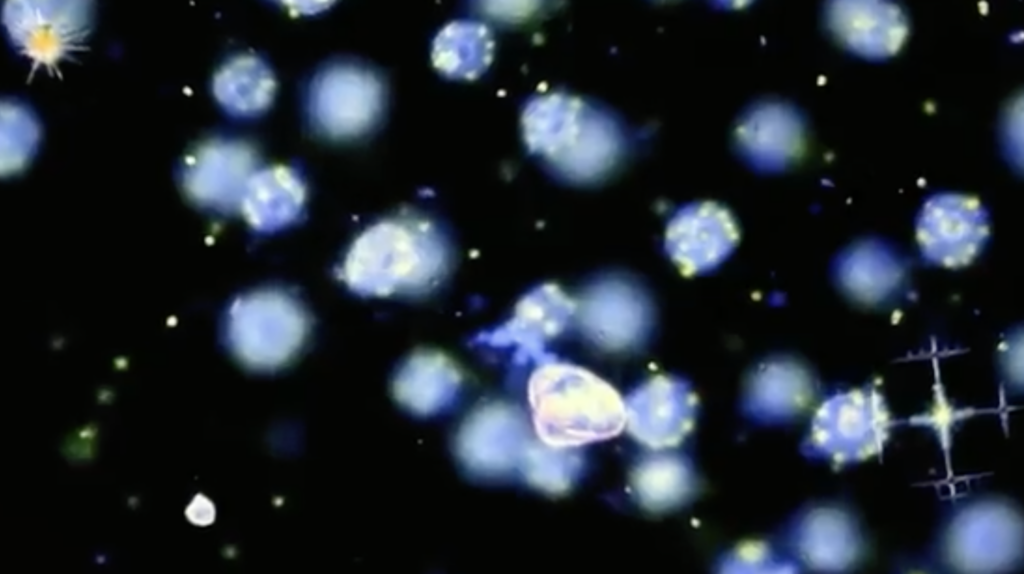
If organisms have managed to survive in Lake Vostok for millions of years without sunlight, they could provide valuable clues about how life might exist beneath the frozen surfaces of distant worlds. Every discovery made beneath Antarctica could help scientists design future missions searching for life beyond Earth.
While people often imagine finding aliens somewhere among the stars, one of the greatest biological discoveries may already be waiting beneath our own planet’s ice. Hidden away for millions of years, Lake Vostok could contain thousands of life forms unlike anything humanity has ever encountered, proving that Earth’s greatest mysteries may still lie in places we have only just begun to explore.