Billions of years from now, the Sun will enter the final stage of its life. It will swell into a massive red giant before eventually shrinking into a stellar remnant. For anything still living in the Solar System, survival would become a constant challenge. So what would happen as the Sun slowly dies? Could humanity find a new home? And what would the Solar System look like in its final days?
For about 4.6 billion years, the Sun has powered our Solar System through nuclear fusion. Every second, it converts hundreds of millions of tons of hydrogen into energy. But like all stars, its fuel supply is limited. Scientists estimate the Sun is roughly halfway through its life, leaving it with about 5 billion years before dramatic changes begin.
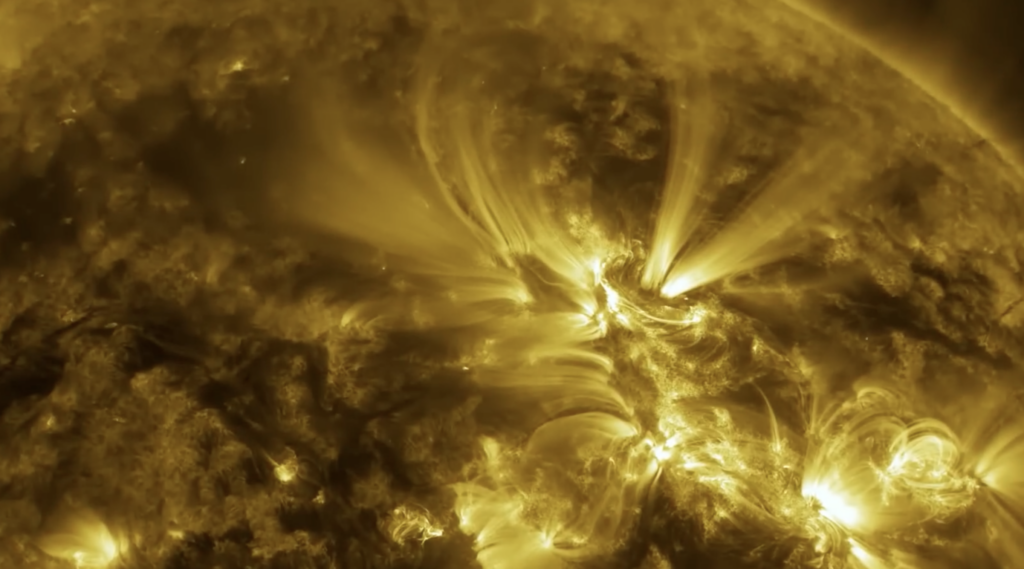
As hydrogen is gradually depleted, helium accumulates in the Sun’s core. This process causes the Sun to grow brighter over time. In fact, its brightness increases by roughly 10% every billion years. Eventually, the pressure generated inside the star will force its outer layers to expand. The Sun will transform into a red giant, becoming far larger than it is today.
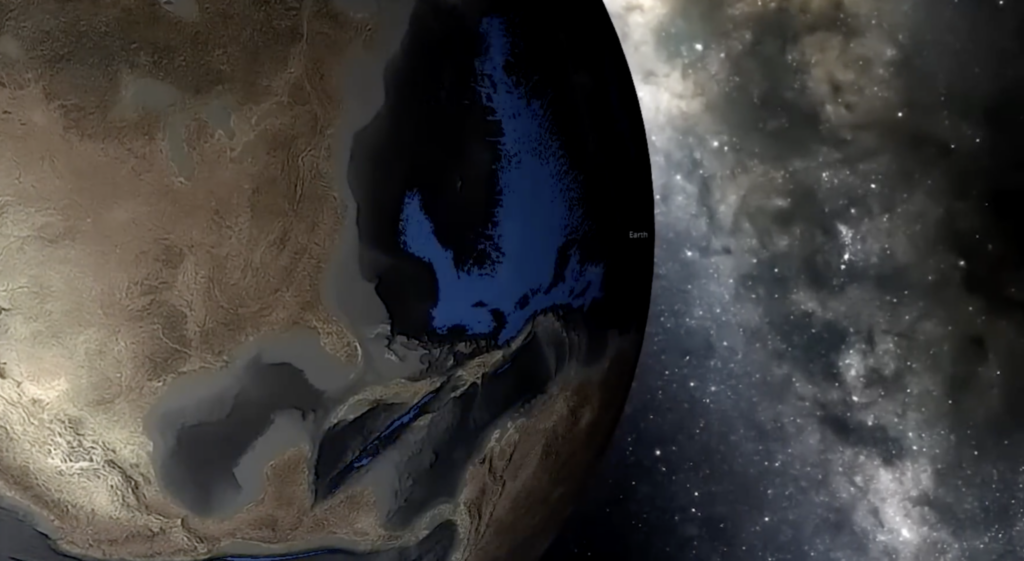
Long before that happens, Earth will face serious problems. Around 1.5 billion years from now, the Sun’s increasing brightness could trigger extreme global warming. Temperatures would continue rising until the oceans begin to evaporate. As conditions worsen, the habitable zone, the region where liquid water can exist, will move farther away from the Sun and closer to Mars.
Mars could become humanity’s first refuge. While it would still require extensive terraforming to create a breathable atmosphere, the planet may remain suitable for life for billions of years. But even Mars will not stay safe forever.
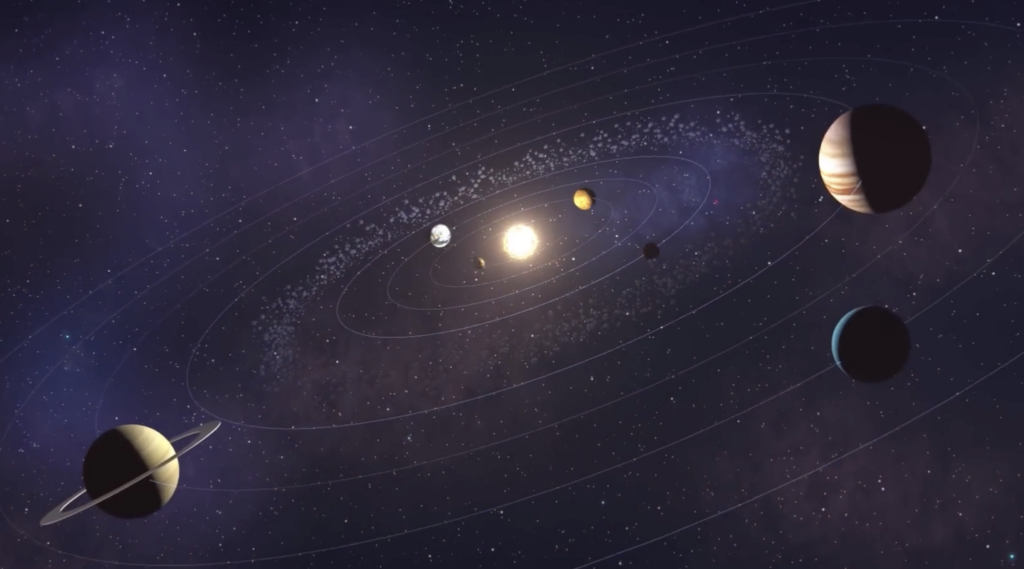
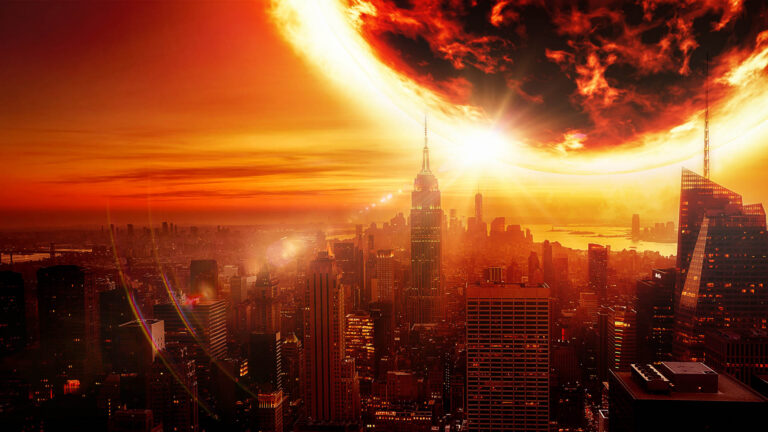
Around 7.5 billion years from now, the Sun will exhaust its hydrogen fuel and begin fusing helium. As it expands into a red giant, Mercury will be destroyed. Venus will lose its atmosphere and eventually be swallowed entirely. Earth may fare little better, potentially ending as a scorched, lifeless core. Mars will also become too hot to support life.
At that stage, humanity’s best option could be Europa, one of Jupiter’s largest moons. As the Sun grows hotter, Europa’s thick icy shell may melt, creating a vast global ocean. For hundreds of millions of years, this distant moon could offer a temporary sanctuary.
The Sun will eventually reach its maximum size, shining thousands of times brighter than it does today. Conditions could become unbearable even in the outer Solar System. Humanity might then be forced to migrate to distant dwarf planets in the Kuiper Belt, where temperatures could resemble those once found on Earth.
Roughly 10 billion years from now, the Sun’s fuel will finally run out. The star will become unstable, shedding its outer layers into space. What remains will be a white dwarf, a dense stellar core about the size of Earth. It will emit powerful radiation but far less heat than before.
The habitable zone would shift once again, making survival within the Solar System increasingly difficult. To continue as a civilization, humanity would likely need to settle planets orbiting other stars.
Eventually, even the white dwarf will cool. After trillions upon trillions of years, it may become a black dwarf, a cold and dark stellar remnant. Scientists have never observed one because the Universe itself is not yet old enough for any to exist.
So if you managed to survive the end of the Solar System, you would witness one of the greatest transformations in cosmic history. Fortunately, the Sun’s final chapter is still billions of years away.