The Mariana Trench is the deepest known part of the world’s oceans, located in the western Pacific Ocean near the Mariana Islands. At its lowest point, the Challenger Deep, it reaches depths of nearly 11,000 meters. Conditions here are so extreme that it represents one of the most hostile environments on Earth.
Even a brief exposure at this depth would be beyond anything humans naturally experience. Pressure increases dramatically with depth, reaching more than 1,000 times the pressure at sea level. At the bottom of the trench, the weight of the water above would be enough to crush an unprotected human body instantly.
Temperature in the deepest parts of the ocean is just above freezing, typically around 1 to 4 degrees Celsius. Combined with the extreme pressure, this creates an environment where normal biological function cannot survive. Even advanced equipment must be specially engineered to withstand these forces.
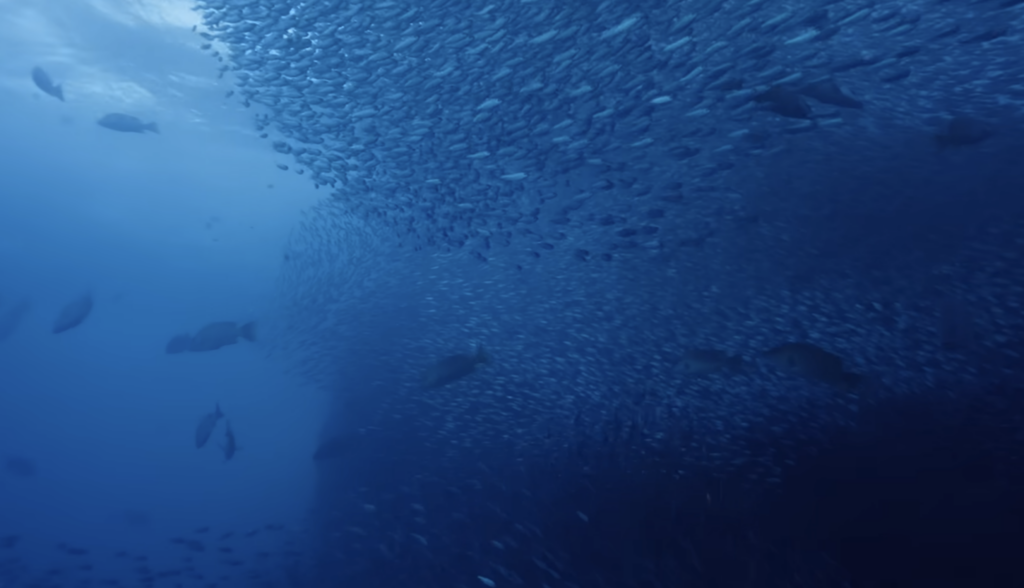
The journey downward passes through distinct ocean layers. Near the surface, sunlight still penetrates and supports most marine life on Earth. This region is known as the sunlight zone and contains the vast majority of ocean biodiversity. However, as depth increases, light quickly disappears.
Below roughly 200 meters, the ocean enters the twilight zone, where sunlight fades and visibility becomes limited. Many creatures in this region rely on bioluminescence to survive. This natural ability to produce light is used for communication, camouflage, and hunting in the darkness.
Deeper still, the ocean becomes almost completely black. In the midnight zone, life continues in complete darkness. Organisms here have evolved unusual adaptations, including oversized eyes, transparent bodies, or the ability to generate light internally.
At even greater depths, the abyssal zone introduces extreme cold, high pressure, and very limited food supply. Despite these conditions, life still exists, often in slow moving and energy efficient forms. Strange species such as anglerfish and giant squid inhabit these regions, adapted to survive where sunlight never reaches.
Hydrothermal vents can also be found in some deep ocean regions. These vents release superheated mineral rich water from beneath the Earth’s crust. Temperatures can exceed 350 degrees Celsius, but the surrounding pressure prevents the water from boiling. These environments support unique ecosystems that do not rely on sunlight.
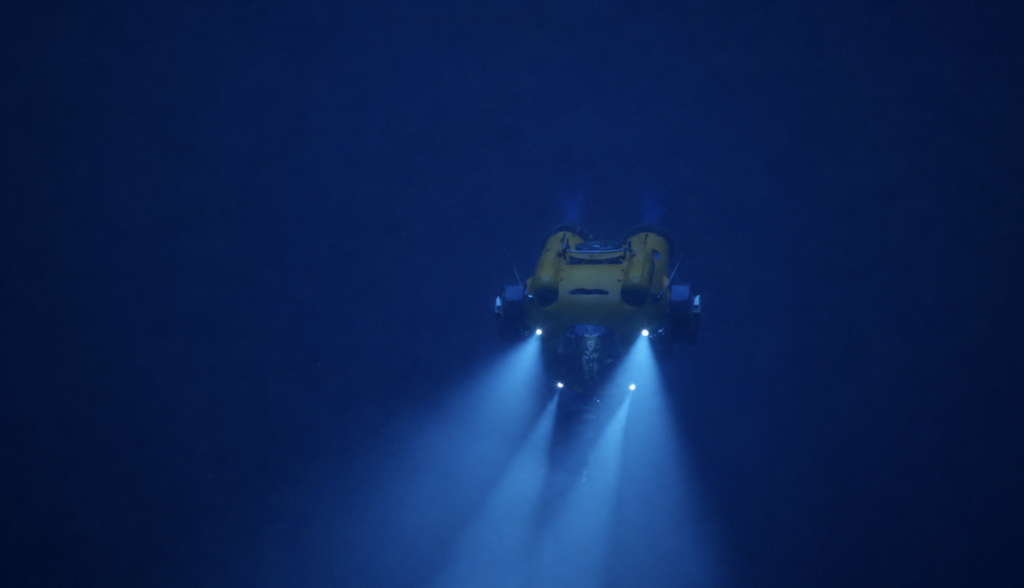
Approaching the deepest part of the trench, known as the hadal zone, conditions become even more extreme. The pressure is so intense that it can alter the structure of materials and challenge even the most advanced submersibles designed for deep sea exploration.
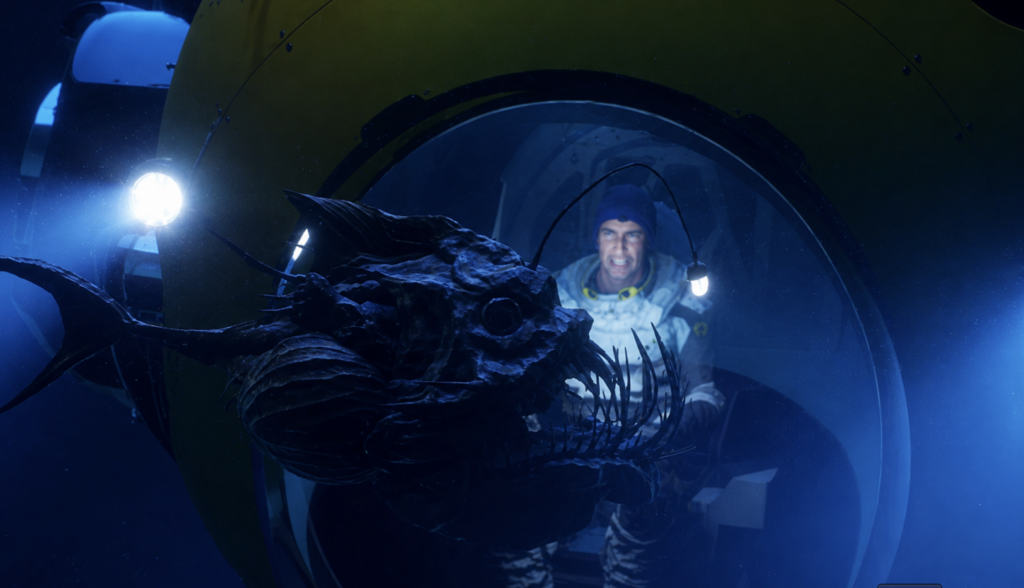
At the very bottom of the Mariana Trench, the environment is dark, cold, and heavily compressed. There is no sunlight, extremely limited movement, and very little biological activity compared to shallower waters. It is a place shaped entirely by pressure and isolation.
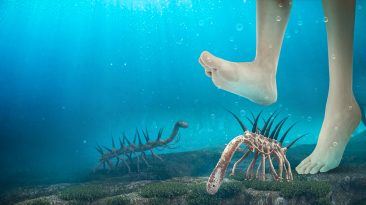
Spending even five seconds at this depth in an unprotected state would be impossible. The human body is not built to survive such forces, and only specially engineered deep sea vehicles are capable of reaching these depths safely.
The Mariana Trench remains one of the final frontiers on Earth. Despite decades of exploration, much of it is still unknown, reminding us how much of our own planet remains hidden beneath the ocean’s surface.