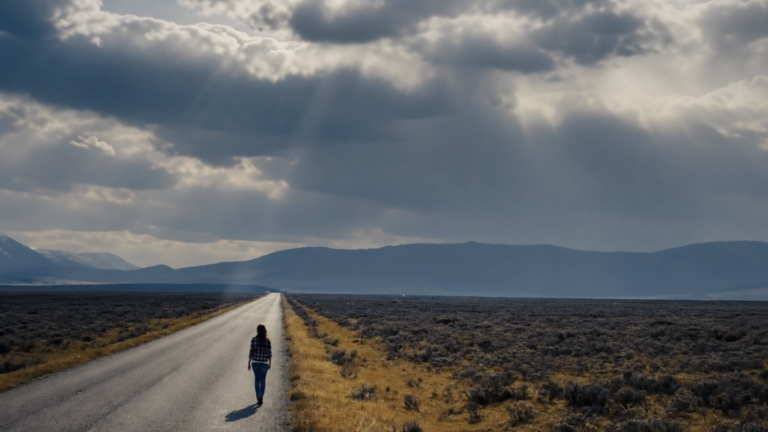
For whatever reason, you are the last human on Earth.
No more voices in the distance. No more messages. No more footsteps that are not your own.
At first, it feels like freedom. No rules, no pressure, no expectations. You can eat whatever you want, live anywhere you want, do anything you want.
Then the silence starts to change you.
You wake up one day and realize the world is still functioning, but only for you. Supermarkets are still full. Cars still work for now. Entire cities are empty, waiting for no one.
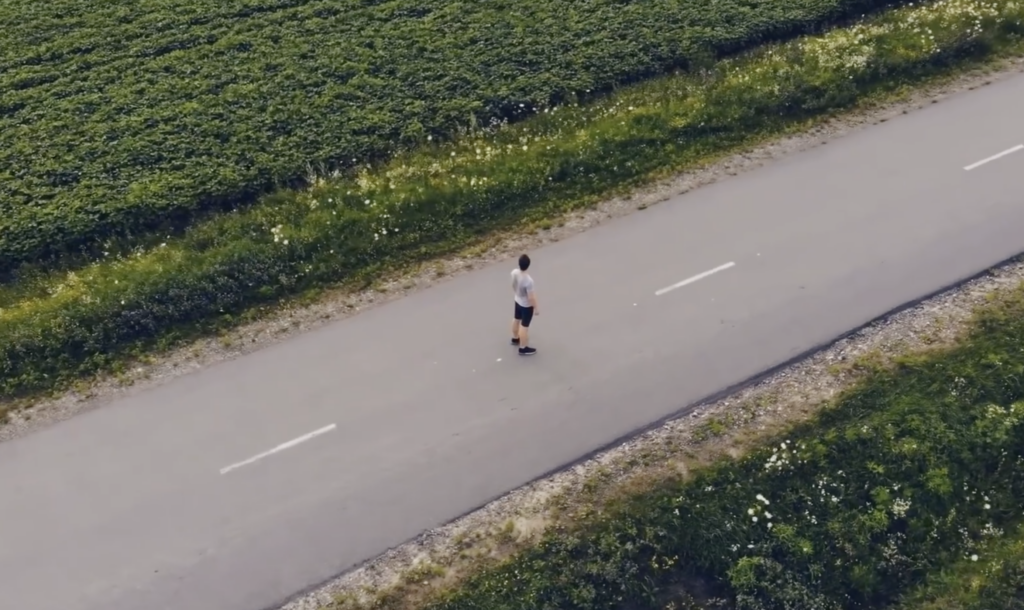
And your mind begins to adjust in ways you do not expect.
At first, you indulge in everything. You eat rare foods, anything that was once imported or expensive, because you know it will not last forever. Your brain treats it like a celebration, but also like a countdown you cannot see.
Then something subtle happens. Planning replaces enjoyment. You start thinking about fuel, not speed. Energy, not comfort. You realize that machines, vehicles, and infrastructure will slowly fail without maintenance. Even your sense of time begins to lose structure.
You choose a place to stay, but nowhere feels permanent. Cities seem alive at first, but not in a comforting way. Without maintenance, buildings begin to decay faster than you expect. Water leaks, rust spreads, glass cracks under temperature shifts. Nature starts reclaiming everything, not gently, but steadily. Your mind begins to associate silence with danger.
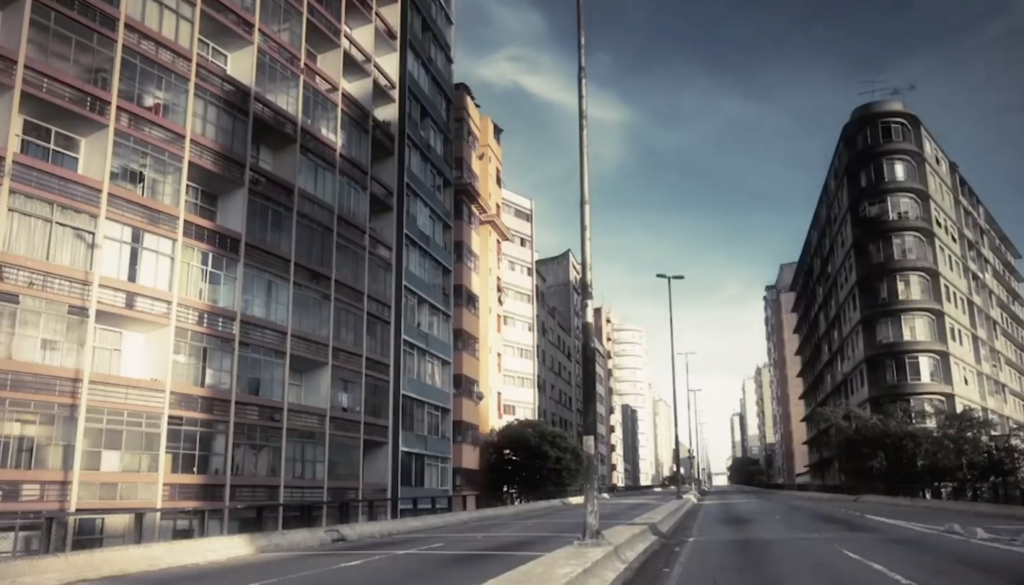
So you move, or at least think about moving, constantly calculating where you might be safest. But safety itself starts to feel temporary.
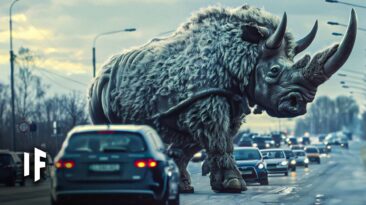
Even wildlife becomes a concern. With no humans around, animal behavior changes. Some species expand into abandoned spaces. Others become more unpredictable without human patterns to avoid. Your brain stays alert longer than it should, because there is no longer a shared system of protection.
Then you think about survival in practical terms. Food stores are massive, but not infinite. Refrigeration systems fail over time. Crops without care stop producing. Hunting becomes an option in theory, but sustainability becomes a mental burden. Every choice carries long term consequences, because there is no one else to compensate for mistakes.
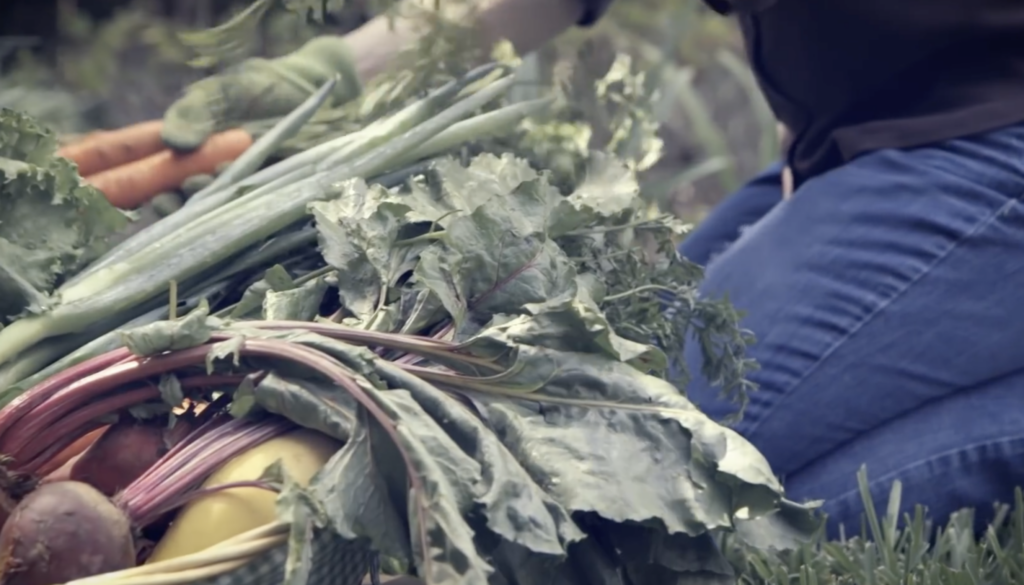
Water becomes another quiet pressure. Treatment systems stop working. Bottled supplies delay the problem, but do not solve it. Eventually, every glass of water represents effort, not convenience. Your mind begins tracking resources instinctively, even when you try not to.
As days turn into months, something more important shifts. Your thinking becomes less conversational and more internal. There is no one to explain things to, no one to disagree with you, no feedback loop from other humans. Thoughts no longer get corrected, challenged, or shared. They just repeat.
Memory becomes heavier. You start talking out loud more often, not for communication, but to fill gaps. Silence is no longer empty. It feels active.
Over time, the most significant change is not physical survival, but psychological adaptation. Humans are built to regulate stress through other humans. Without that, emotions no longer stabilize in the same way. Anxiety has no external balance. Joy has no shared confirmation. Even success feels incomplete.
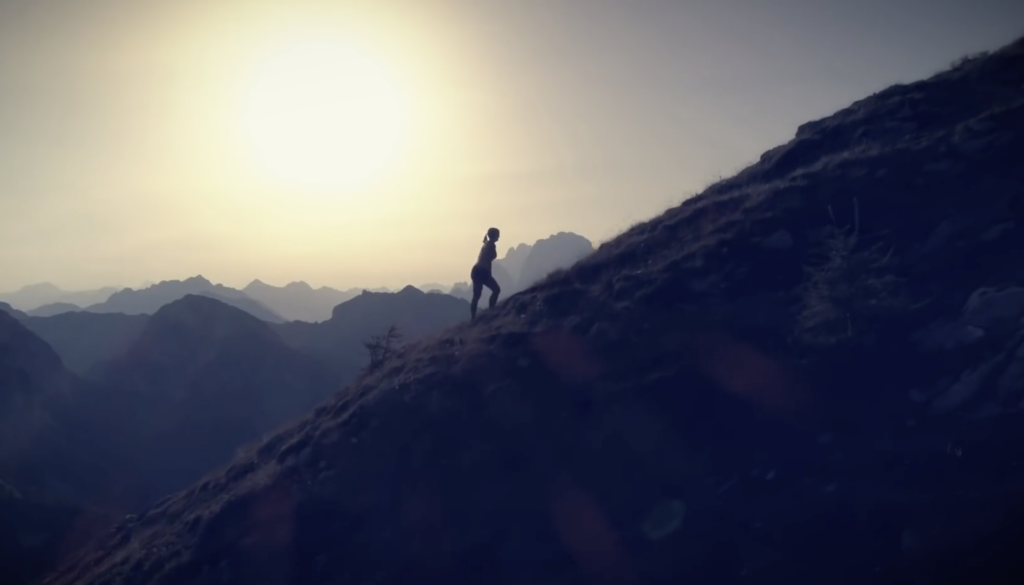
You begin to understand that intelligence alone is not enough. Knowledge does not replace connection.
And slowly, the world stops feeling like a place you are living in, and starts feeling like a place you are simply moving through.
In the end, you would probably survive longer than you think. Food, shelter, and resources are not the hardest part.
The mind is.
Because being the last person on Earth does not just change your environment. It changes how you think, how you feel, and eventually, how you define reality itself.