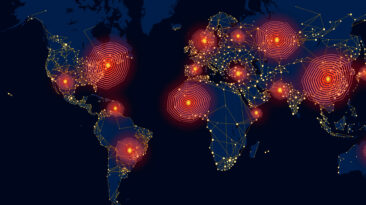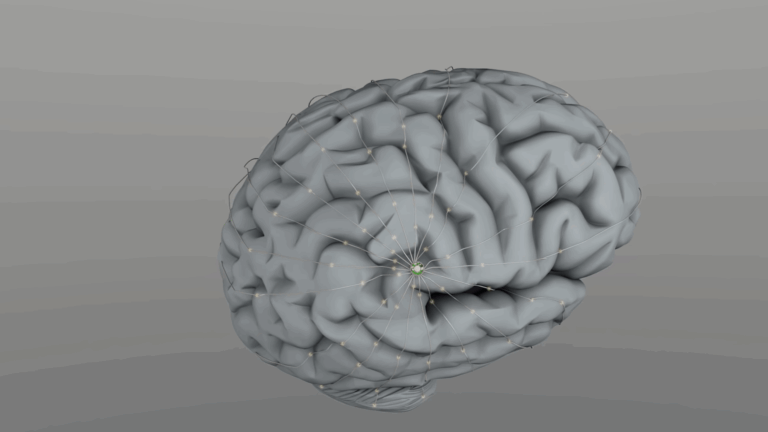
Imagine waking up tomorrow and realizing you no longer need a phone, a keyboard, or even a screen. You simply think about a question, and the answer appears in your mind instantly. Want to learn a new language? Download it. Need directions to a restaurant? They appear in your thoughts. The entire internet is suddenly only a thought away.
At first, it would feel like magic.
Students could access information in seconds. Doctors might review medical data without touching a computer. People with disabilities could communicate more easily and control devices using only their minds. The world would become more connected than ever before.
Then things would start getting strange.
What happens when your thoughts are online?

Today, your internet history reveals a lot about you. Search engines know what you buy, what you watch, and what interests you. But a direct connection between your brain and the internet could reveal something much more personal.
It could reveal what you are thinking.
Companies might know what products catch your attention before you even decide to buy them. Streaming services could predict exactly which movie you want to watch. Advertisements might appear based on emotions that you have not even expressed.
Privacy would take on an entirely new meaning.
And then there is the problem that seems to follow every piece of technology ever created. Hackers.
Most people worry about stolen passwords or compromised bank accounts. But a connected brain could hold information far more valuable. Memories, personal experiences, and private thoughts could suddenly become vulnerable in ways humanity has never experienced before.
Even simple activities might become stressful. Did you genuinely decide to book a vacation, or did something influence your decision? Did you suddenly remember a childhood memory, or did your brain receive information from somewhere else?
People might begin questioning their own thoughts.
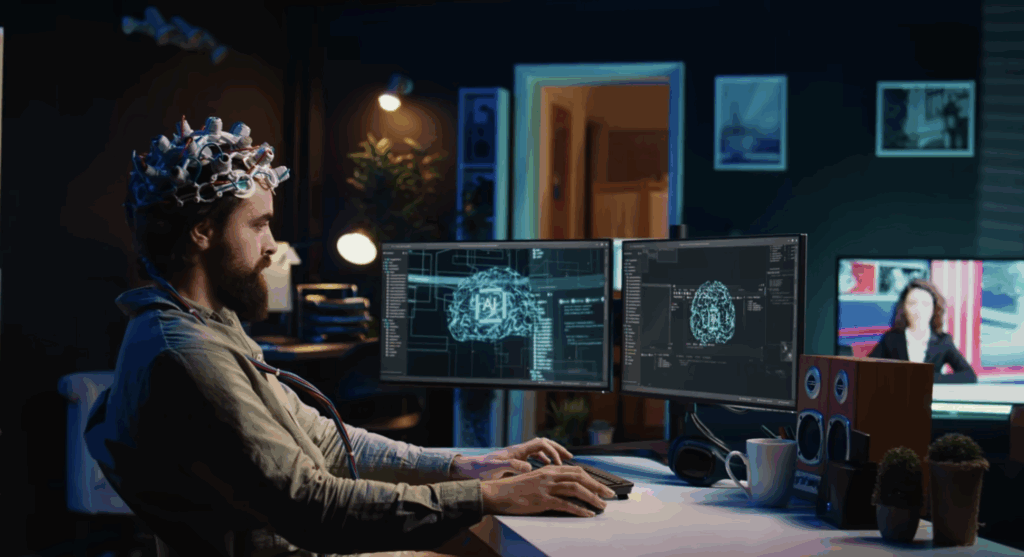
The internet has already changed the way we communicate. Connecting human minds could transform communication completely. Instead of sending messages, people might share thoughts directly. Language barriers could disappear. Friends on opposite sides of the planet could exchange ideas instantly.
But if billions of minds become connected, disagreements and conflicts could become more intense as well.
False information could spread at incredible speeds. Panic could move through entire populations in seconds. A rumor that normally takes hours to spread online might race through connected minds almost instantly.
Governments would also face difficult questions.
Would connected thoughts have legal protections? Could authorities investigate someone’s memories? Would there be laws limiting what information could enter a person’s mind?
Some countries might welcome this technology, while others could fear it. The ability to instantly exchange knowledge would provide enormous advantages in science, medicine, and education. At the same time, it could create concerns about security, privacy, and national defense.
The technology might even change what it means to be human.
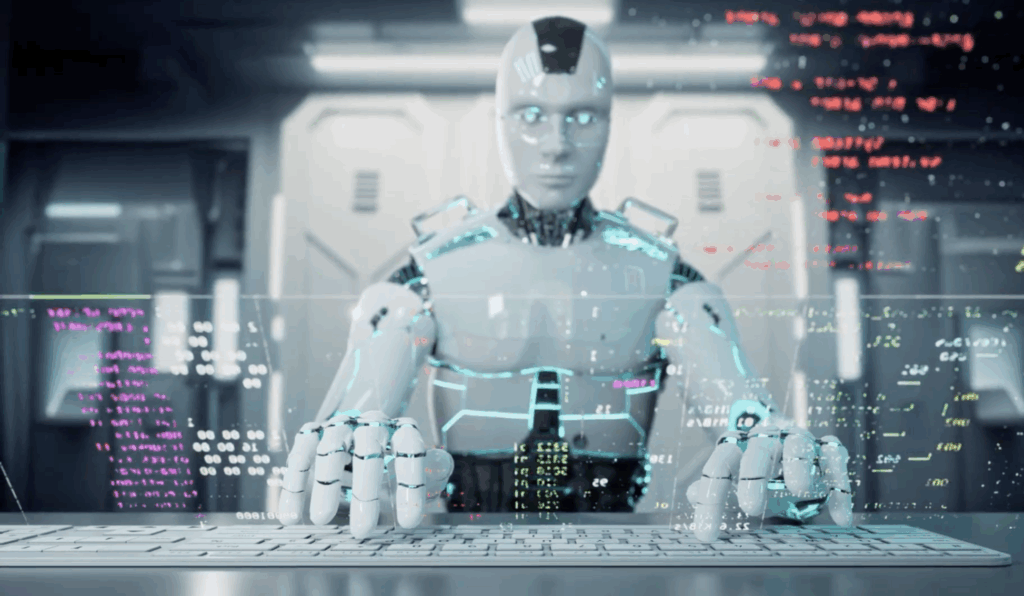
For thousands of years, knowledge has been limited by how quickly people can read, learn, and communicate. A direct connection between brains and the internet could remove many of those limitations. Humanity might become smarter, more efficient, and more interconnected than ever before.
Yet some people would wonder whether constant access to information comes with a cost.
Would independent thought become more difficult? Would personal experiences still feel special if knowledge could simply be downloaded? If your memories, thoughts, and emotions can all be influenced by a digital network, where exactly does the internet end and your mind begin?
Connecting human brains to the internet could unlock extraordinary possibilities. It could help millions of people and change civilization forever.
But it might also force humanity to answer one of the most difficult questions ever asked.
If your thoughts are connected to the internet, are they still entirely your own?