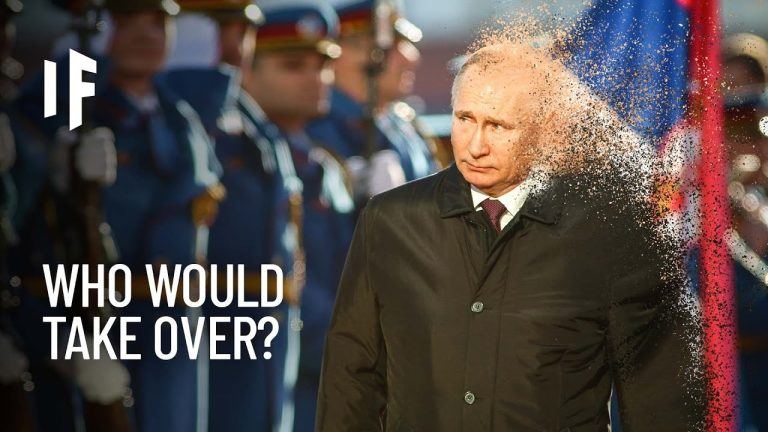
For more than two decades, Vladimir Putin has been the central figure of modern Russian politics. A former KGB officer, he has carefully shaped an image of strength, control, and national revival. Under his leadership, Russia has moved through major political shifts, foreign conflicts, and economic isolation.
Because of constitutional changes, Putin could remain in power until 2036, making him one of the longest serving leaders in modern Russian history. But what would actually happen to Russia if he suddenly was no longer in control of the country?
To understand the impact, we have to look at how power is structured in Russia today.
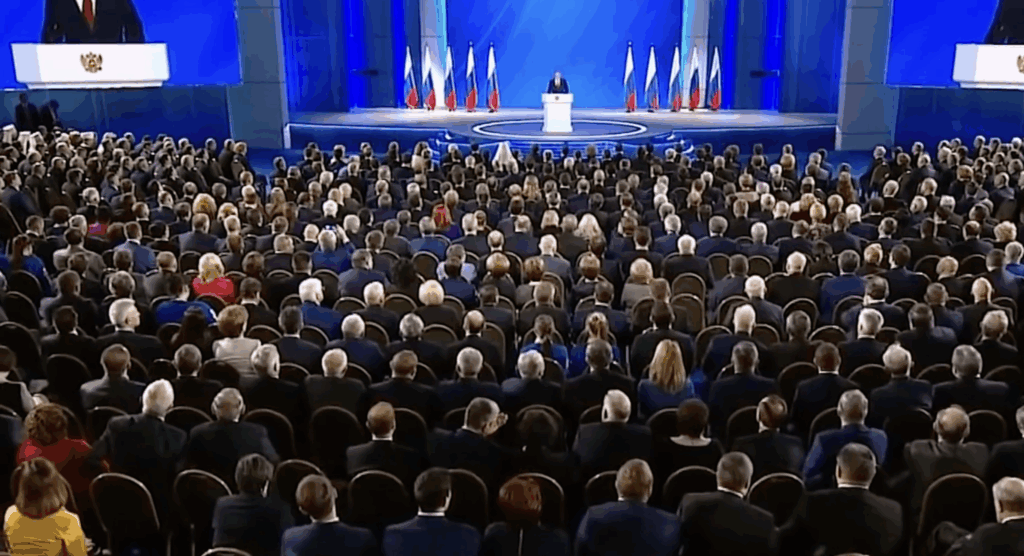
In theory, if the president can no longer serve, authority would temporarily transfer to the Prime Minister. This role is currently held by Mikhail Mishustin, who would act as interim leader for a short transition period until new elections are organized.
However, in practice, the situation would be far more complex. Over the years, Putin has built a political system heavily centered around loyal allies placed in key government, military, and economic positions. This means that even a temporary leadership change could trigger intense internal competition for influence.
A sudden shift at the top could create a power struggle between political elites, security services, and regional leaders, each trying to secure control over different parts of the state.
Historically, Russia has experienced similar moments of uncertainty, most notably after the death of Joseph Stalin in 1953. During such transitions, internal consolidation of power often happens quickly, sometimes behind closed doors, before the public fully understands what is taking place.
At the same time, Russia’s political structure is closely tied to its military and security apparatus. This raises questions about how command over strategic forces, including its nuclear arsenal, would be managed during a leadership transition.
Internationally, Russia is already under significant economic pressure due to sanctions related to the conflict in Ukraine. These restrictions have affected banking systems, trade routes, and access to global markets, reshaping everyday life inside the country.
Financial systems linked to global networks have been restricted, reducing Russia’s ability to conduct international transactions. Trade limitations have also affected imports and exports, creating ripple effects throughout the economy.
In such a scenario, a sudden leadership transition could either intensify internal pressure or open the door to political restructuring. Some analysts suggest that economic stress and political uncertainty could encourage calls for reform or even the emergence of new political movements.
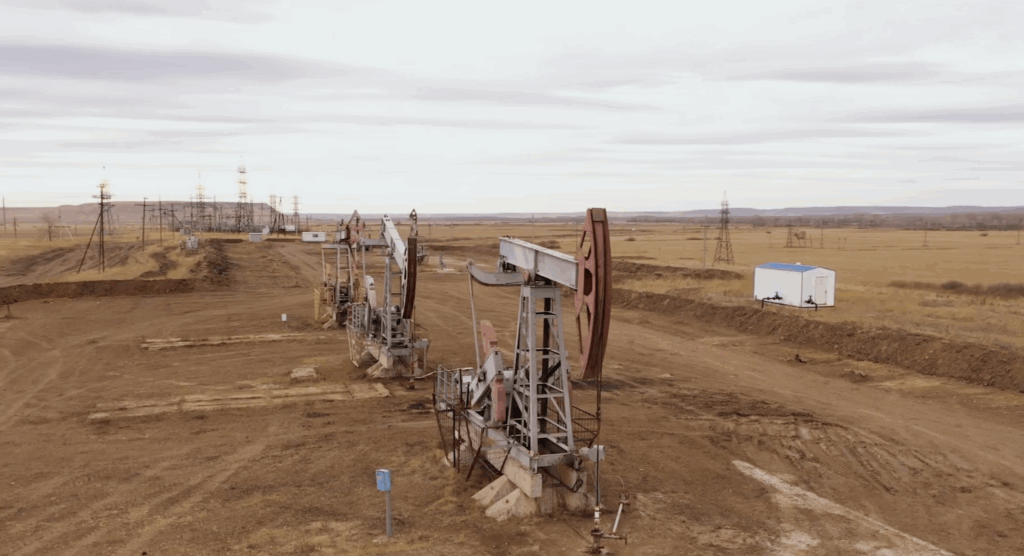
However, Russia is also deeply interconnected with global markets, especially in energy and raw materials. The country plays a major role in global exports of oil, gas, grains, and metals. Any instability in its leadership could therefore have immediate consequences beyond its borders, potentially affecting global prices and supply chains.
For the United States, Europe, and other major economies, changes in Russian leadership would be closely monitored due to these economic and strategic connections.
Domestically, public reaction would depend heavily on how stable the transition appears. In a tightly controlled political system, leadership changes are often managed in ways designed to maintain continuity and prevent large scale disruption.
In one scenario, a successor aligned with the existing system could continue current policies with minimal change. In another, internal divisions could create competing centers of power, leading to a more unpredictable political environment.
Either way, the absence of a long standing leader like Putin would mark a major turning point in Russia’s modern history. The outcome would depend not only on who takes control, but also on how the existing system responds under pressure.
What follows would likely be a period of uncertainty, where Russia’s future direction is shaped by internal power dynamics, economic conditions, and its relationship with the wider world.