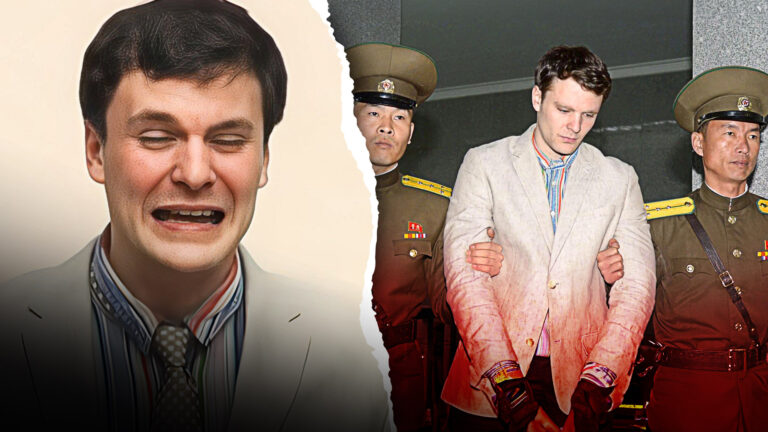
In January 2016, 22 year old American college student Otto Warmbier boarded a tour flight out of North Korea expecting to return home after a short New Year’s vacation.
He never made it onto the plane.
Otto would spend more than 17 months detained by the North Korean government. When he finally returned home, he was in a vegetative state with severe brain damage. Less than a week later, he was dead.
To this day, questions remain about what truly happened to him behind the walls of North Korea’s prison system.
A Bright Student With A Promising Future
Before his arrest, Otto Warmbier seemed to have everything going for him.
He graduated near the top of his class from Wyoming High School in Ohio before earning a scholarship to the University of Virginia. There, he studied commerce, economics, and global sustainability while preparing for a future career in banking.

Friends described Otto as outgoing, athletic, adventurous, and curious about the world. He had already traveled to places like Israel, Cuba, Ecuador, and several European countries.
In early 2016, Otto was preparing to study abroad in Hong Kong during his final semester of college. Before beginning classes, he decided to take a short detour into North Korea with Young Pioneer Tours, a travel company known for organizing budget trips to countries considered risky or unusual for tourists.
At the time, the United States strongly warned citizens against traveling to North Korea. But the tour company insisted the trips were safe, even for Americans. Otto signed up for a five day New Year’s party tour in Pyongyang.At first, everything seemed normal.
The group explored monuments, attended celebrations, and spent New Year’s Eve drinking and socializing in the North Korean capital. Fellow travelers later said Otto appeared relaxed and happy throughout the trip.
Nobody realized they were witnessing the last days of his normal life.
The Sudden Arrest
On January 2, 2016, the tour group arrived at the airport to head home.
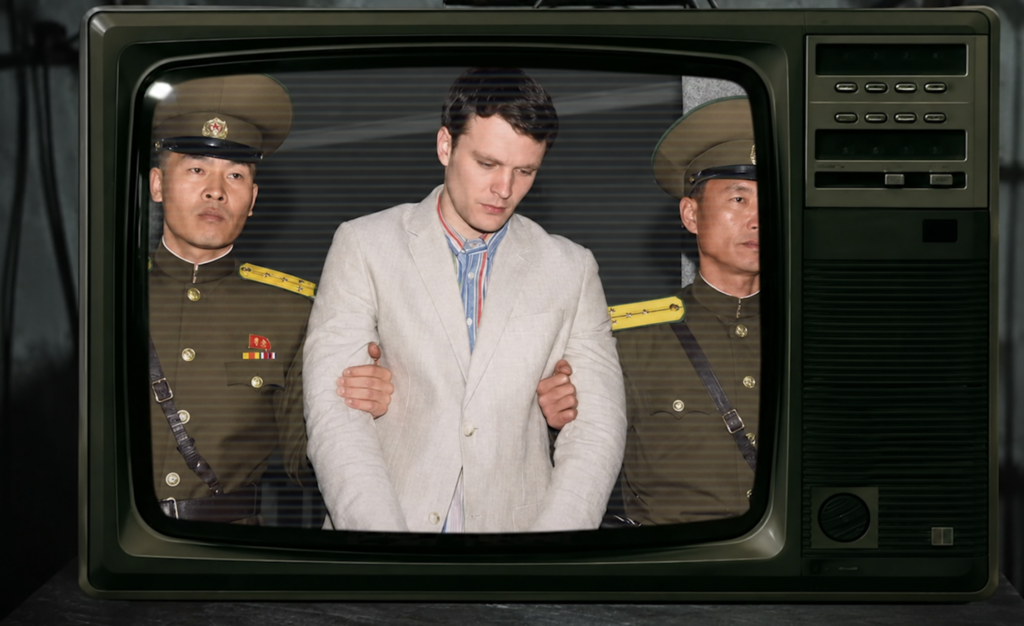
As Otto waited in line at security alongside his roommate Danny Gratton, two North Korean guards approached him without explanation and escorted him away. No charges were announced. No resistance was reported.
According to Gratton, the guards simply tapped Otto on the shoulder and led him into another room. The plane eventually departed without him.
Passengers were later told Otto had been taken to a hospital because he was ill, but many suspected something far more serious was happening. For weeks, very little information emerged about his whereabouts.
Then, two months later, North Korea finally revealed why Otto had been detained.
Accused Of Stealing A Propaganda Poster
North Korean authorities accused Otto of attempting to steal a propaganda poster from a restricted area inside his hotel.
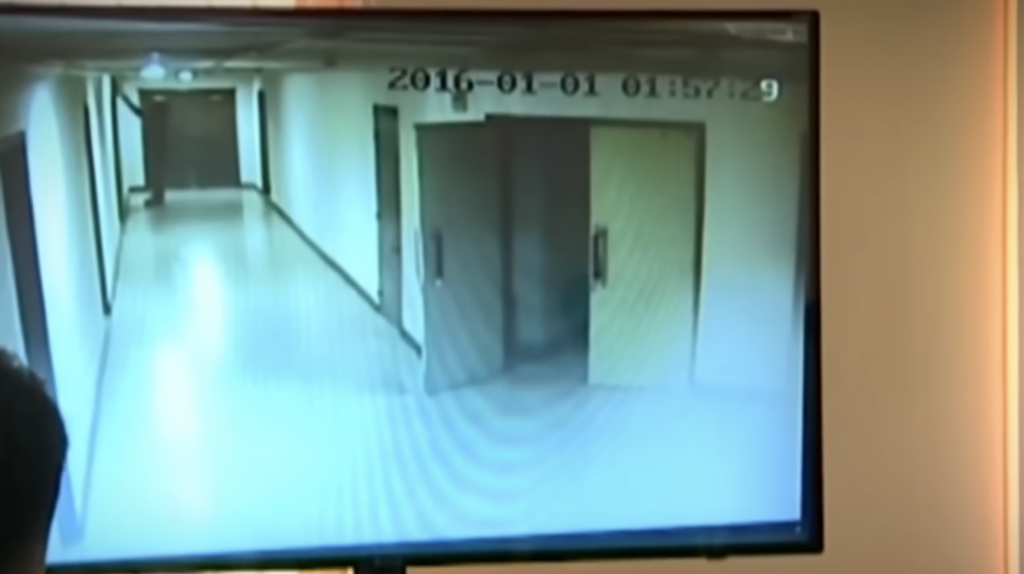
The alleged crime may sound minor by Western standards, but North Korea treats anything involving political propaganda or images of its leadership as an extremely serious offense.
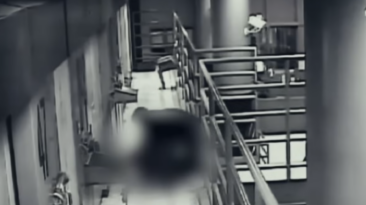
State media released blurry surveillance footage showing a shadowy figure removing a poster from a wall around 2 a.m. However, the footage was so unclear that it was impossible to confirm whether the person was even Otto.
Some tour members later questioned the timeline entirely, claiming Otto had still been out celebrating at the time the incident supposedly occurred. The doubts only grew stronger after North Korea released video of Otto delivering a public confession.
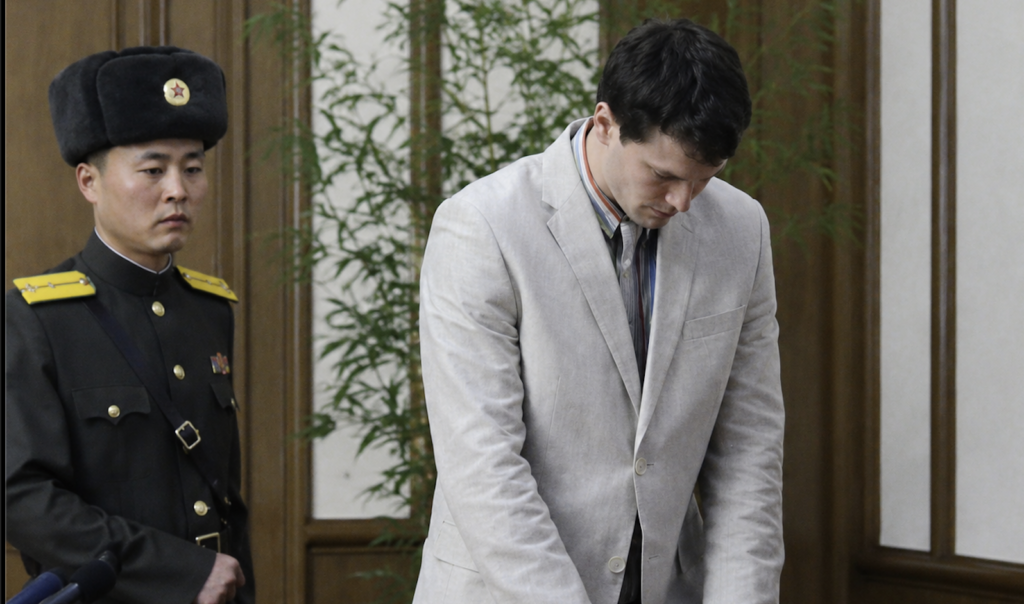
Reading carefully from what appeared to be a prepared script, Otto claimed he tried to steal the poster as part of a plot encouraged by a Methodist church and a secret society connected to the CIA.
The confession sounded bizarre and highly rehearsed. Otto even claimed he wore “the quietest boots” for the mission and wanted to damage the motivation of the North Korean people.
Both the church and student organizations mentioned in the confession denied any involvement. Friends and family also pointed out that Otto was Jewish and had no connection to the Methodist church referenced in the statement. Many observers believed the confession had been forced.
Still, North Korea’s Supreme Court sentenced him to 15 years of hard labor.
A Political Pawn In A Dangerous Time
Otto’s arrest came during one of the most tense periods in U.S. and North Korean relations in years.
Only days after his detention, North Korea conducted what was believed to be a nuclear weapons test. Weeks later, it launched additional missiles, triggering harsher international sanctions.
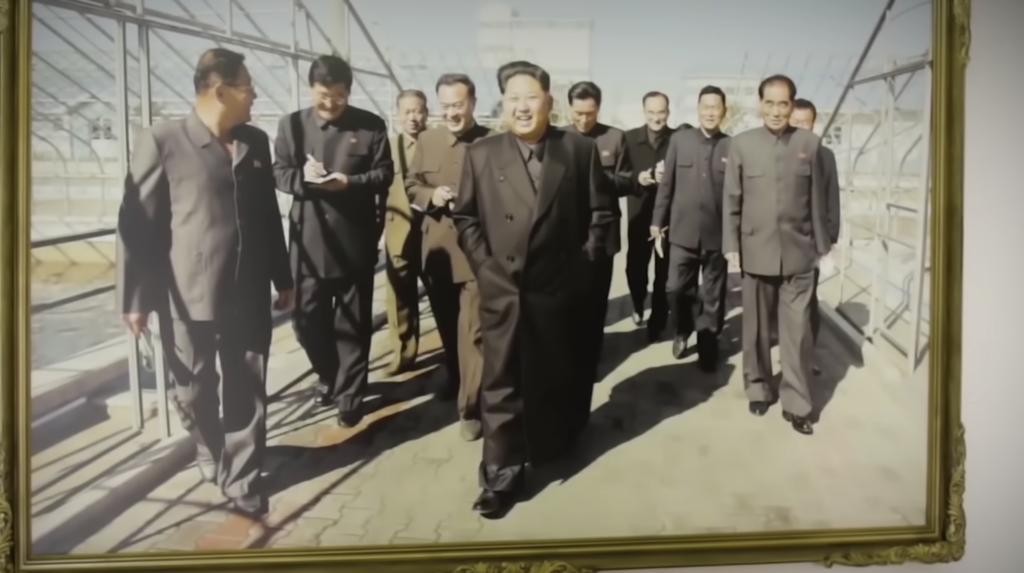 Meanwhile, the United States and South Korea carried out joint military drills, prompting threats from North Korea about possible nuclear retaliation.
Many experts believe Otto became a bargaining chip in the middle of this growing political conflict.
North Korea has a long history of detaining foreign nationals and using them during negotiations with Western governments. Otto’s family strongly believed he was being held to gain leverage over the United States.
For more than a year, both the Obama and Trump administrations worked behind the scenes trying to secure his release.
Throughout that time, Otto’s parents said they were repeatedly told their son was healthy and working inside a prison labor camp.
But the truth was far worse.
What Happened Inside North Korea?
Very little is known for certain about Otto’s imprisonment.
Former North Korean prisoners and defectors have long described brutal conditions inside the country’s detention system. Reports include beatings, starvation, forced labor, torture, and psychological abuse.
Some former detainees claimed prisoners were forced to survive on tiny food portions and were routinely assaulted by guards.
There were also allegations that Otto may have been waterboarded during interrogations, though no definitive proof has ever emerged. Then, in June 2017, American officials received shocking news. Otto had reportedly fallen into a coma months earlier.
U.S. diplomat Joseph Yun traveled to North Korea to negotiate Otto’s release. When he finally saw the young American, he barely recognized him. Otto was pale, unresponsive, and being fed through a tube inserted into his nose.
North Korean officials claimed he had contracted botulism and suffered complications after taking a sleeping pill. American doctors and many medical experts questioned that explanation almost immediately.
When Otto returned to the United States, doctors discovered he had suffered severe brain damage caused by prolonged oxygen deprivation. Scans showed extensive damage across both sides of his brain.
Strangely, there were no obvious signs of repeated physical torture. There were no broken bones or visible evidence of severe beatings. However, his teeth appeared misaligned, and a scar on his foot fueled suspicions that abuse had occurred.
The exact cause of his injuries has never been conclusively determined.
Otto’s Final Days
On June 13, 2017, Otto Warmbier arrived back in America.
Video footage showed medical staff carrying his motionless body from the plane as devastated family members waited nearby. Though his eyes were open, Otto could not speak or respond. His parents later said it looked like their son had witnessed unimaginable horrors.
After spending six heartbreaking days beside him in the hospital, Otto’s family made the painful decision to remove his feeding tube. On June 19, 2017, Otto Warmbier died at the age of 22.
His death triggered outrage across the United States and around the world.
Then President Donald Trump blamed North Korea for Otto’s condition and called the regime brutal. North Korea denied responsibility and insisted it had treated Otto well.
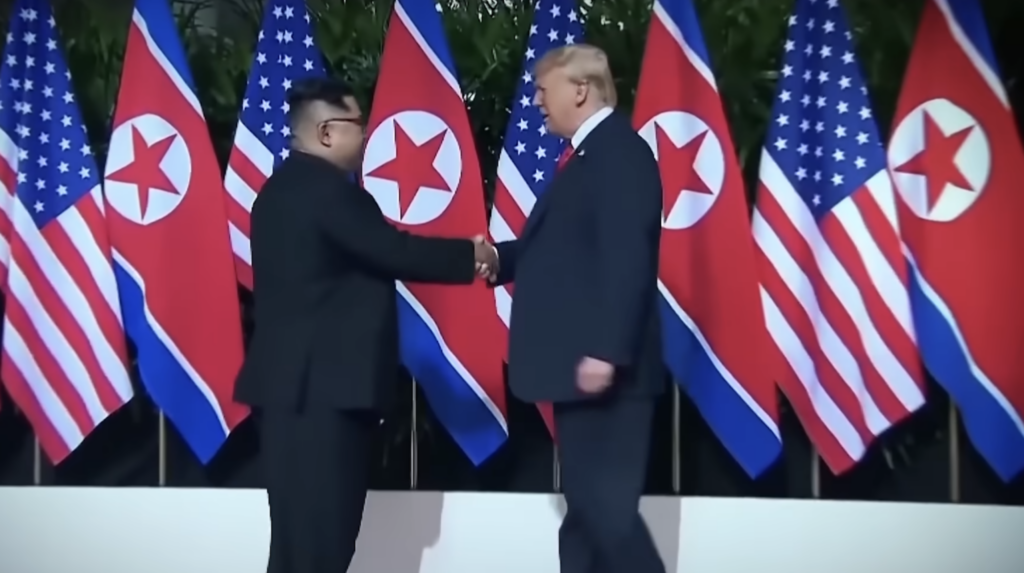
The Warmbier family later sued the North Korean government in U.S. court and won a judgment worth more than $500 million. North Korea ignored the ruling and never paid the damages, though some seized North Korean assets were eventually awarded to the family.
A Tragedy That Still Raises Questions
Even years later, Otto Warmbier’s case remains one of the most disturbing stories involving North Korea and an American citizen.
Was he framed from the beginning? Was his confession entirely forced? Did torture or mistreatment cause the brain damage that eventually killed him? Or did something else happen behind closed doors that the world may never fully understand?
Those answers may never come.
But Otto’s story permanently changed how many Americans view travel to North Korea. Shortly after his death, the United States banned its citizens from visiting the country without special permission. For Otto’s parents, the mission has become personal. They continue speaking publicly about North Korea’s human rights abuses and the loss of their son.
And for many people around the world, Otto Warmbier’s tragic fate stands as a chilling warning about what can happen inside one of the most secretive and authoritarian nations on Earth.