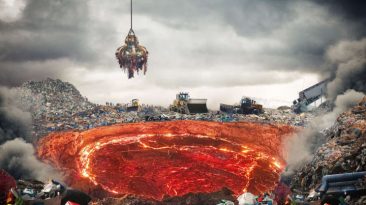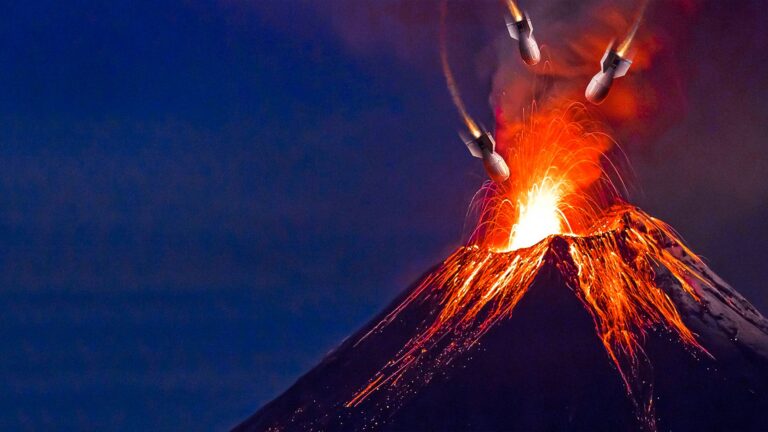
Volcanoes are among the most powerful forces on Earth. They can release unimaginable amounts of energy, sending rivers of lava across landscapes, covering cities in ash, and changing the climate for years. Their destructive power is so enormous that it raises a strange question: could humanity use its own most powerful weapon to stop one?
Could a nuclear bomb destroy a volcano before it erupts?
At first, the idea might sound possible. The nuclear bomb dropped on Hiroshima during World War II released energy equivalent to more than 130 million kilograms of TNT. That explosion destroyed buildings, flattened areas of the city, and demonstrated the terrifying power humans could create.
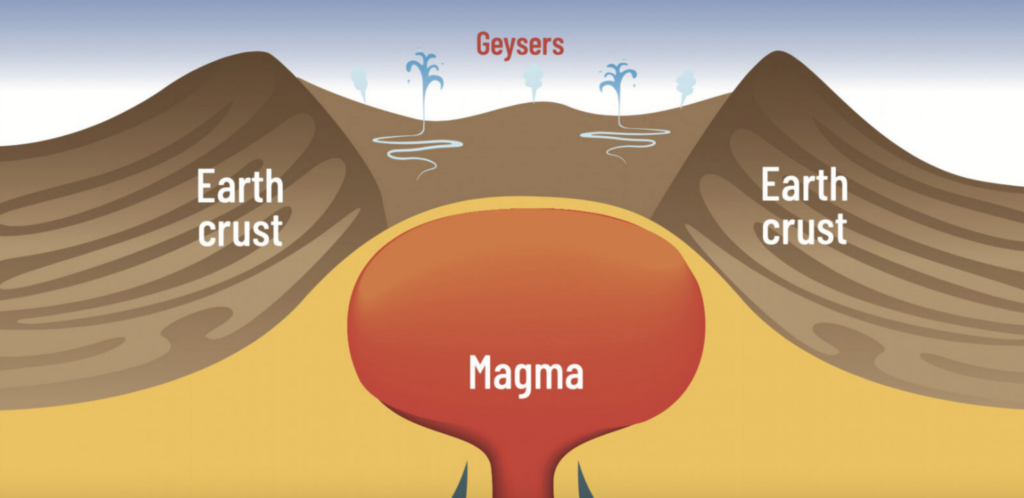
But a volcano is not just a pile of rock waiting to be blown apart. It is a massive natural system powered by heat, pressure, and magma rising from deep within the Earth. Trying to defeat it with a nuclear weapon would be far more complicated than simply creating a bigger explosion.
The first challenge would be knowing exactly when and where to strike. Scientists can monitor volcanoes and identify warning signs, such as small earthquakes, increased gas emissions, rising temperatures, and changes in the shape of the mountain. These signals can indicate that magma is moving beneath the surface.
However, predicting the exact moment a volcano will erupt is extremely difficult. A volcano could show signs of activity for weeks, months, or even years without actually erupting. By the time scientists were certain an eruption was about to happen, there might not be enough time to organize a military operation.
Even if scientists successfully predicted an eruption, launching a nuclear attack on a volcano would create another massive problem: accuracy.
A team of geologists, volcanologists, and weapons experts would need to determine the exact location where a nuclear explosion could have the greatest effect. The goal would theoretically be to weaken the volcano’s structure, collapse part of the mountain, and prevent pressure from building up beneath the surface.
In a perfect scenario, the explosion might damage the volcano’s upper structure and reduce the force of an eruption. Instead of a massive blast sending ash and lava across a wide area, the volcano might release smaller amounts of material through cracks around the mountain.
But this perfect scenario is almost impossible.
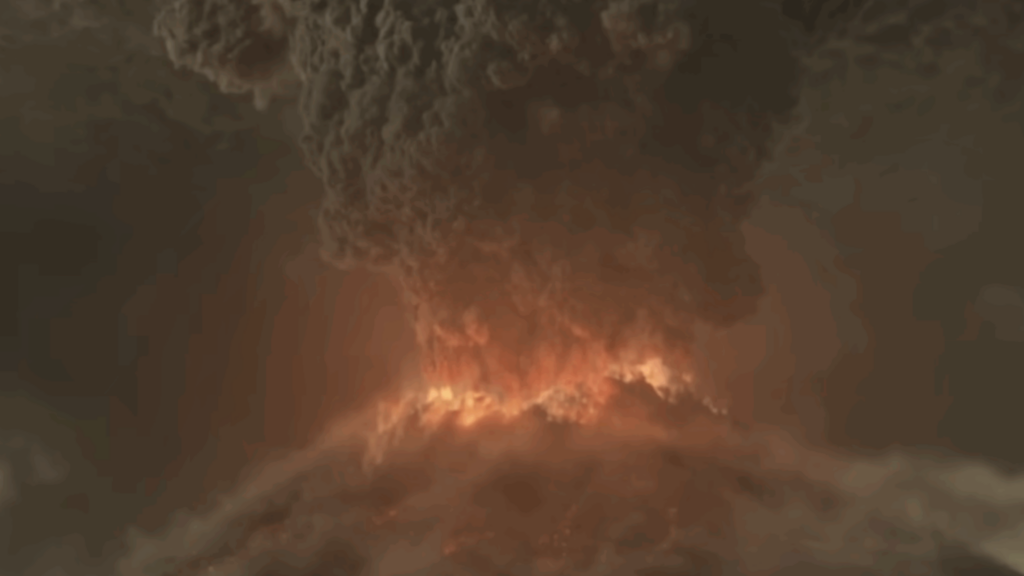
Scientists warn that bombing a volcano could actually make the disaster much worse. A volcano is dangerous because of the enormous pressure and heat trapped underground. Adding a nuclear explosion into that system could release energy in unpredictable ways.
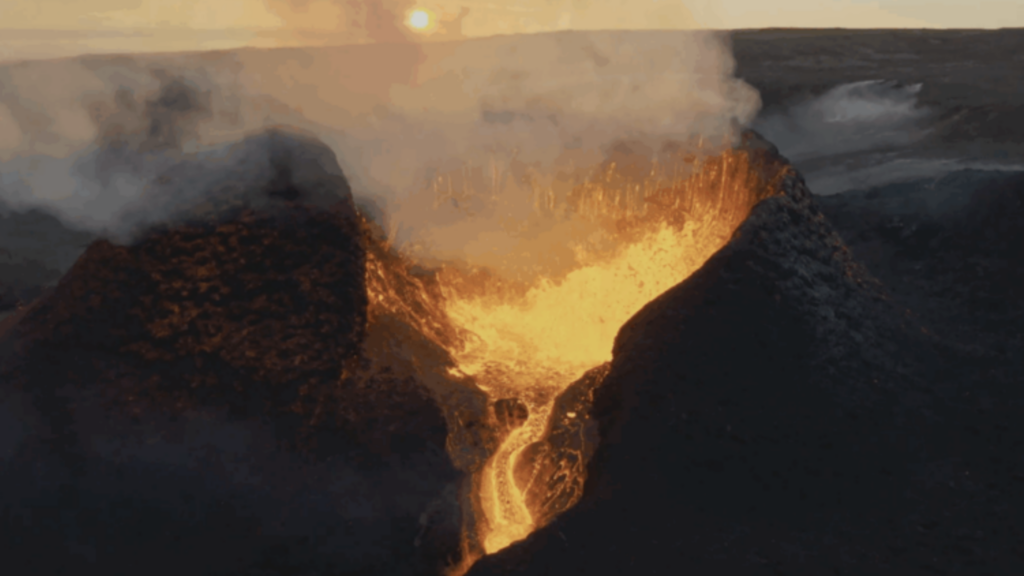
Instead of stopping an eruption, the blast could fracture the volcano and create new pathways for magma to escape. The combination of nuclear force and natural pressure could potentially trigger a more violent eruption, sending even larger amounts of ash, gas, and lava into the atmosphere.
There is also the problem of radiation. Even if the explosion somehow weakened the volcano, a nuclear weapon would leave radioactive contamination in the surrounding area. Nearby communities could face a combination of volcanic destruction and nuclear fallout.
A missed target would create an even bigger disaster. A nuclear weapon exploding near populated areas could cause immediate destruction, long term radiation problems, and environmental damage without doing anything to stop the volcano.
The truth is that volcanoes operate on a scale far beyond human control. The energy inside an active volcano comes from processes deep within the Earth that have been happening for millions of years. A nuclear weapon may be one of the strongest tools humans have created, but compared to the forces shaping our planet, it is incredibly limited.
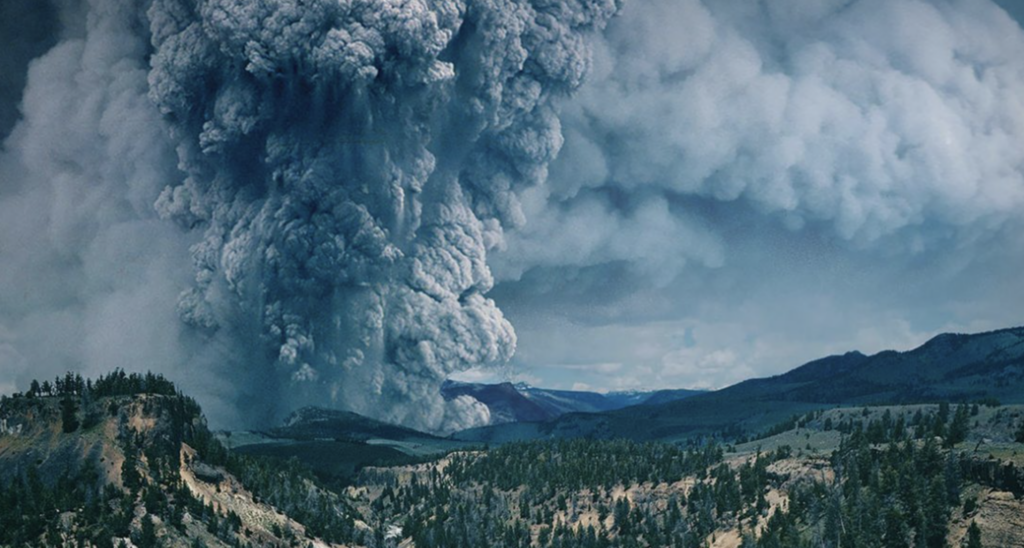
Scientists have explored many unusual ideas for controlling volcanoes, from cooling lava with extreme methods to interfering with volcanic systems, but nature has always proven too powerful to control.
Nuking a volcano might sound like a solution straight out of a science fiction movie, but in reality, it would likely create more problems than it solves. The best defense against volcanic eruptions is not trying to fight them with explosions. It is monitoring them, predicting their behavior, and giving people enough time to escape.
Because when it comes to volcanoes, the smartest strategy is not to overpower nature. It is to understand it and stay out of its way.