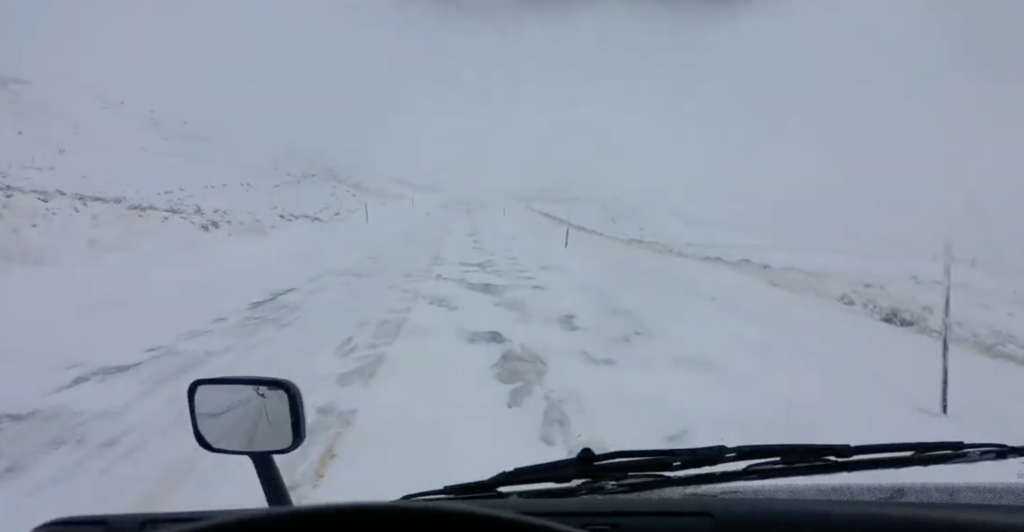
A blizzard can turn an ordinary drive into a life threatening emergency within minutes. Heavy snowfall, strong winds, and near zero visibility make it almost impossible to see the road ahead. Every year, weather related crashes claim thousands of lives, and winter storms are among the most dangerous conditions drivers can face.
According to the U.S. Federal Highway Administration, about 20 percent of the six million car accidents that occur in the United States each year are linked to weather conditions. On average, around 5,700 people lose their lives annually in weather related crashes. Many of these tragedies happen because drivers underestimate how quickly roads can become dangerous.
If you ever find yourself driving into a blizzard, knowing what to do could save your life.
Step 1: Slow Down Before the Storm Slows You Down
Speed is one of the biggest dangers during a snowstorm. The faster you drive, the less time you have to react, and the more likely your vehicle is to lose traction.
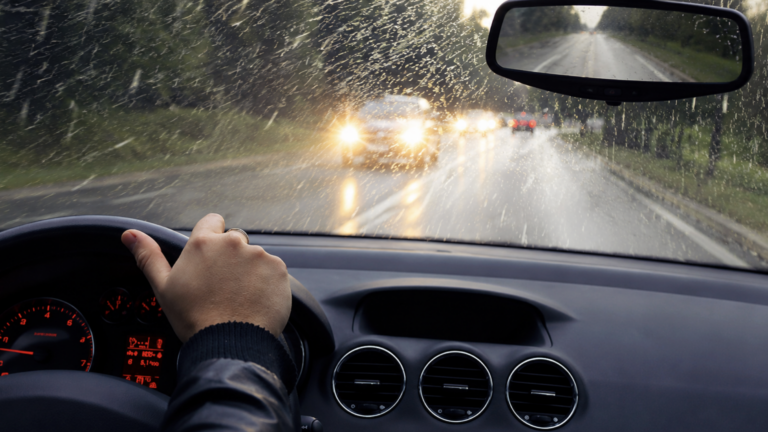
The U.S. Department of Transportation recommends reducing your speed by about one third on wet roads and by half on snow covered roads. That may seem excessive, but even a shallow puddle at highway speeds can cause your tires to lose contact with the road, a phenomenon known as hydroplaning.
Winter roads can also hide black ice, a nearly invisible layer of ice that forms when temperatures reach freezing. Because it is difficult to spot, the safest approach is to drive slowly, avoid sudden acceleration, and make every movement as smooth as possible.
Step 2: Leave Much More Space Than You Think You Need
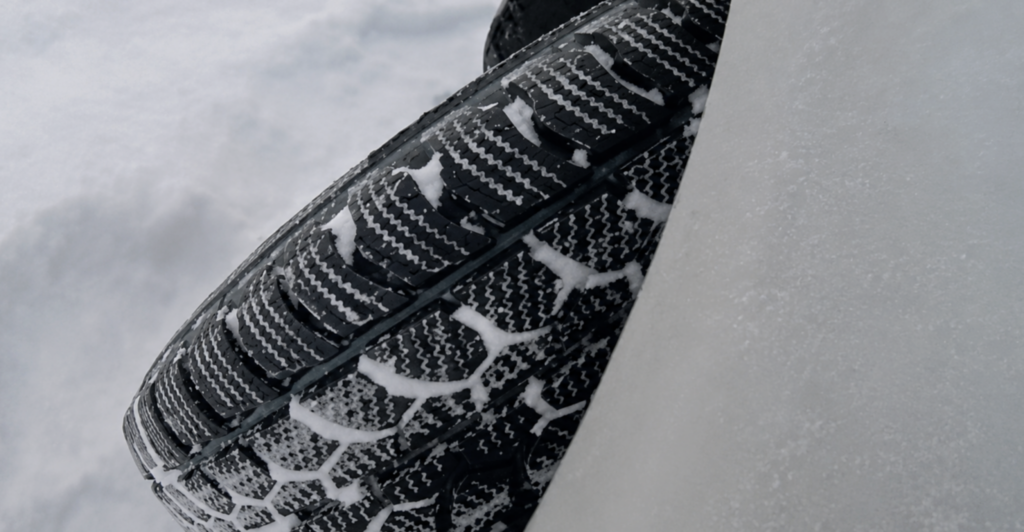
Snow and ice dramatically increase your stopping distance. Under normal conditions, a car traveling at about 100 kilometers per hour can stop in roughly 73 meters. On snow covered roads, that distance can increase to more than 700 meters.
That means following another vehicle too closely leaves almost no chance of avoiding a collision if traffic suddenly stops. Increase the distance between you and the car ahead, and remember that arriving late is far better than not arriving at all.
Step 3: Stay Calm If Your Car Starts Sliding
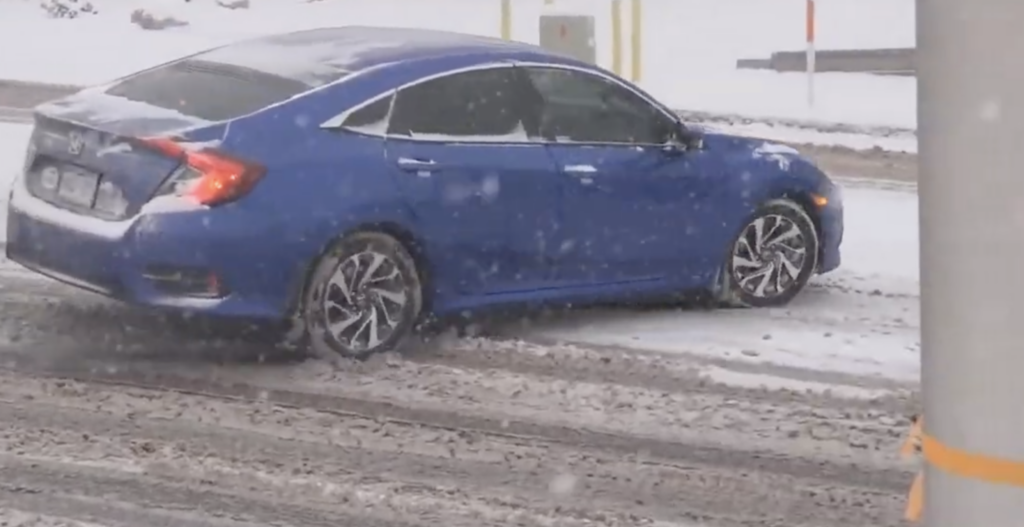
One of the scariest moments during a blizzard is losing control of your vehicle. Whether you hit black ice or begin hydroplaning, your instinct may be to slam on the brakes. Unfortunately, that often makes the situation worse.
Instead, take your foot off the accelerator and avoid sudden braking. Steer gently in the direction you want the car to go and resist making sharp movements. As your vehicle slows, the tires will gradually regain traction, allowing you to recover control.
Remaining calm is often the difference between a close call and a serious crash.
Step 4: Prepare Before You Leave Home
Even the safest driver can become stranded during a major winter storm. That is why every winter trip should begin with preparation.
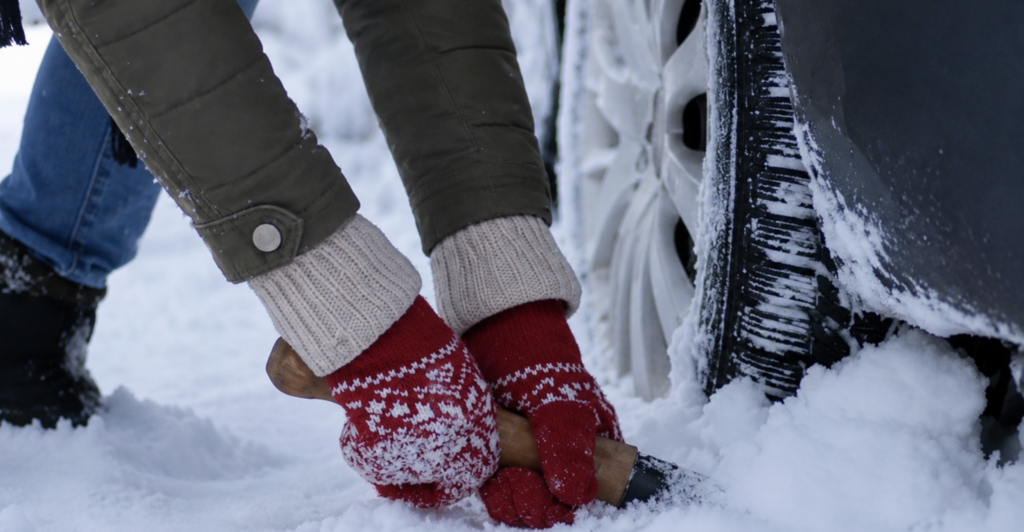
Pack warm clothing, blankets, water, snacks, a flashlight, extra batteries, a phone charger, and a basic first aid kit. If possible, carry a shovel, an ice scraper, and emergency supplies that can help you stay warm.
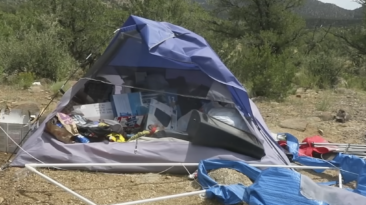
Preparation has saved lives before. In 2021, a man named Harlan Earl became trapped in nearly two meters of snow while driving through the mountains between California and Nevada. Because he had winter clothing, propane, and camping equipment, he survived for an entire week until rescuers reached him after phone service returned.
Step 5: Escape a Crash Zone Immediately
If you lose control and crash, your first instinct may be to stay near your vehicle. However, if your car is blocking the road, another driver may slide into the same area within seconds.
This tragic scenario played out during the historic Texas winter storms of 2021. A chain reaction crash involving around 100 vehicles occurred outside Dallas after icy roads caused drivers to lose control. Several people died as vehicles continued crashing into the pile up.
If it is safe to do so, move away from traffic as quickly as possible and seek shelter behind a barrier or well away from the roadway. Staying near a disabled vehicle on an icy highway can be extremely dangerous.
Winter storms are becoming more frequent and more unpredictable in many parts of the world. A road that seems perfectly safe one moment can disappear beneath blowing snow the next. By slowing down, leaving extra space, staying calm behind the wheel, carrying emergency supplies, and knowing when to get away from your vehicle, you can greatly increase your chances of surviving one of nature’s most dangerous driving conditions.