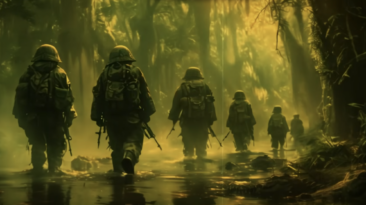
You are exhausted.
Your clothes are soaked, your skin is covered in sand, and your entire body is shaking from the cold. Every step feels impossible. Your hands and feet are covered in painful blisters, your muscles are screaming, and your eyes are begging you to close.
But you cannot sleep. Because if you stop moving, you might not wake up. This is not a real battlefield, but people still push themselves to the point where survival becomes the only thing they can think about.
Welcome to Hell Week.
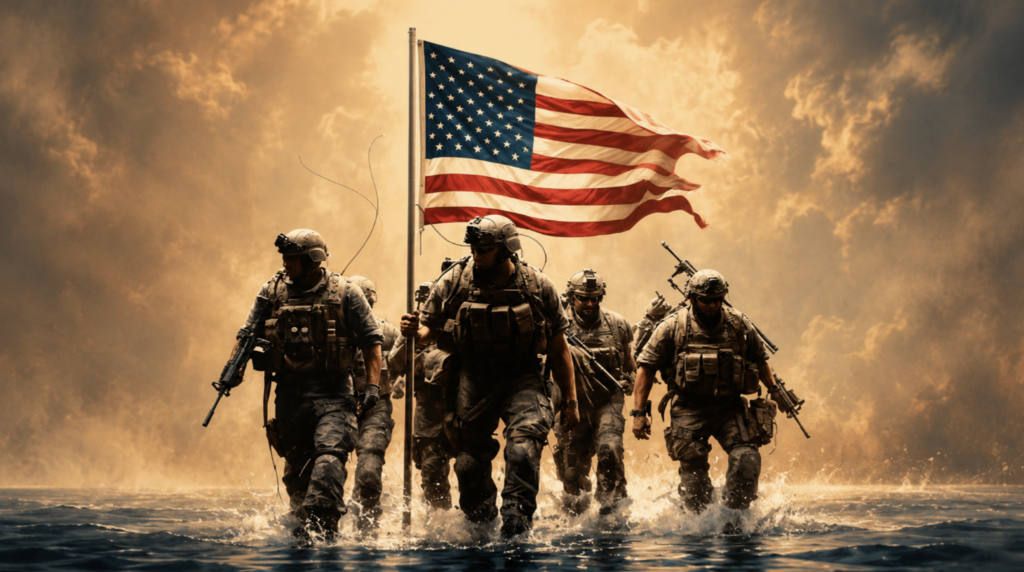
Every person who wants to become a Navy SEAL must complete one of the most demanding military training programs in the world, known as Basic Underwater Demolition/SEAL, or BUD/S.
The first phase ends with Hell Week, a brutal test designed to measure teamwork, endurance, and mental strength under extreme conditions.
Since the program began in 1953, several trainees have died during BUD/S related training. The course is designed to push candidates beyond normal limits and reveal who can continue when their body and mind are telling them to quit.
For five and a half days, candidates receive very little sleep while constantly running, swimming, carrying heavy equipment, and completing exhausting team exercises.
The first night begins with chaos.
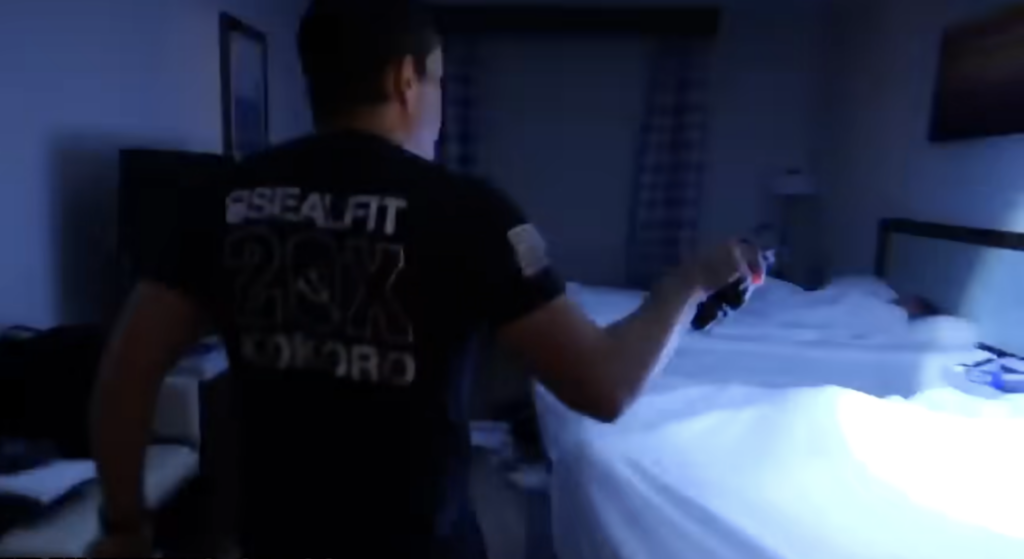
Explosions, loud noises, and intense physical exercises are used to create confusion and stress. Candidates perform endless repetitions of push ups, running, and movements through freezing ocean water.
The key to surviving is not thinking about the entire week ahead. Instead, trainees focus on smaller goals. The next meal. The next exercise. The next moment.
Food becomes extremely important because the body needs every calorie it can get. Candidates are encouraged to eat everything they receive because their energy reserves will disappear quickly.
The next challenge is the log exercise.
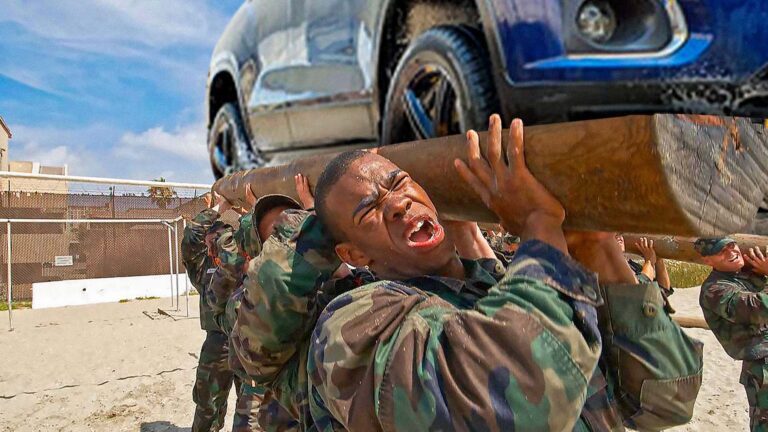
Teams must carry a 68 kilogram log over sand, lift it above their heads, and move through the water with it. Then they repeat the process again and again. The hardest part is not only the weight. It is the uncertainty.
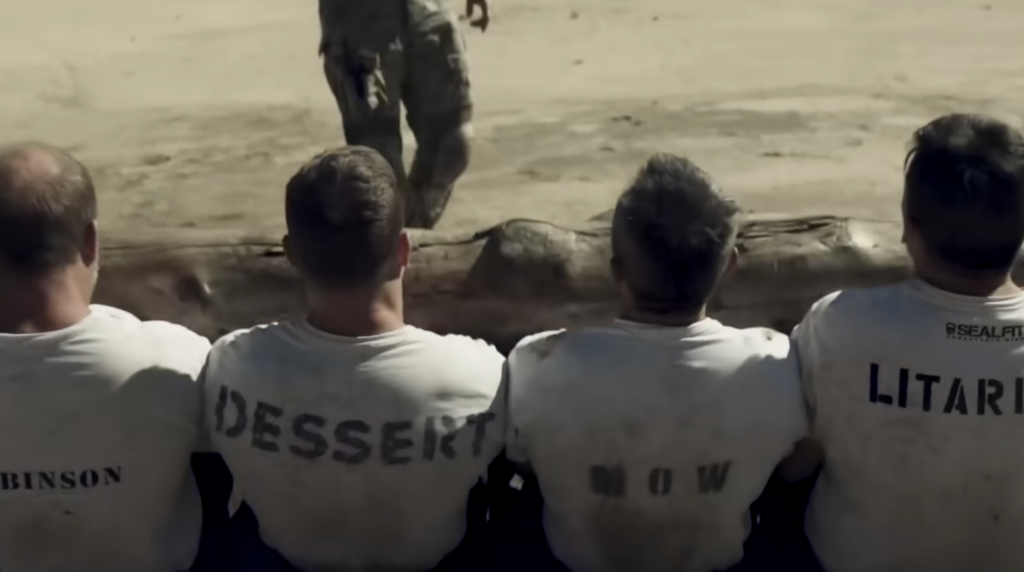
Trainees do not know when the exercise will end. The log feels heavier with every repetition, but looking at teammates helps them continue. Communication and teamwork become the difference between success and failure.
Then comes the rock portage.
Candidates paddle toward a rocky area and must move through dangerous waves while protecting themselves and their equipment. Falling in the wrong place can mean being slammed between the boat and the rocks.
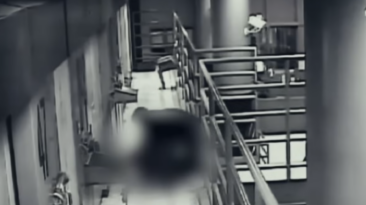
By the middle of Hell Week, sleep deprivation begins affecting the mind. Some trainees experience confusion and even hallucinations. But there is no time to recover. They must complete a 12 hour boat race where staying awake and keeping teammates motivated becomes another challenge.
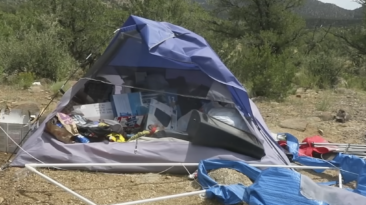
Later, candidates face a stealth exercise where they must hide from instructors despite being physically destroyed. Winning can mean a rare moment beside a warm fire, something that feels impossible after days of freezing conditions.
The final major challenge involves carrying a 120 kilogram inflatable boat.
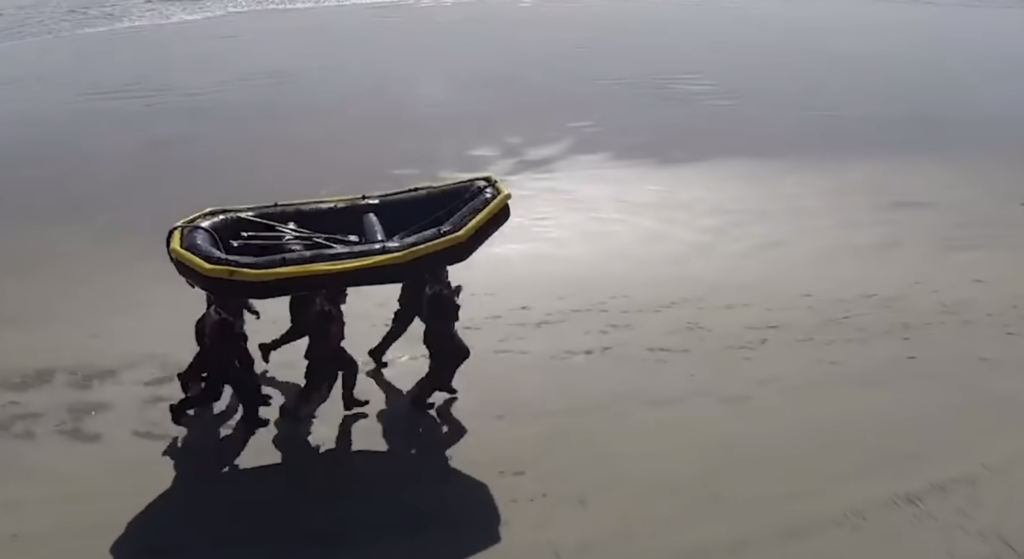
Every position has its own punishment. Some candidates deal with constant pressure on their necks, while others experience repeated impacts as the boat bounces during movement.
Years of preparation are needed to handle this level of stress. Finally, after days of pain, exhaustion, and freezing conditions, Hell Week ends. Only around a quarter of candidates successfully complete the training.
Those who make it through learn something important. The human body can survive far more than most people ever imagine.
But the greatest lesson is not about strength.
It is about teamwork, because when everything is falling apart, the person standing beside you may be the reason you keep moving.