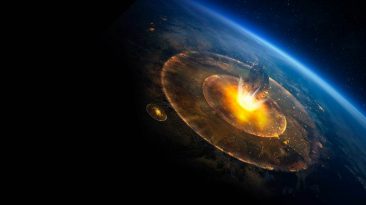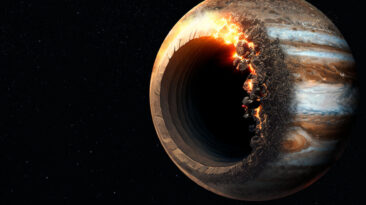









The Kardashev Scale, first introduced by Russian astronomer Nikolai Kardashev, is a way of measuring how advanced a civilization is based on how much energy it can capture and use.
Originally, the idea included three basic stages, but modern scientists and futurists have expanded it far beyond that, imagining civilizations that progress from planetary control all the way to mastery over the entire universe and beyond. It is less a prediction and more a roadmap of what intelligence could become over extreme timescales.
Type 1 Civilization: Planetary Control
A Type 1 civilization has complete control over all energy available on its home planet. For Earth, this would include harnessing sunlight, wind, geothermal heat, ocean currents, and other natural systems at full efficiency. At this stage, fossil fuels would be unnecessary.
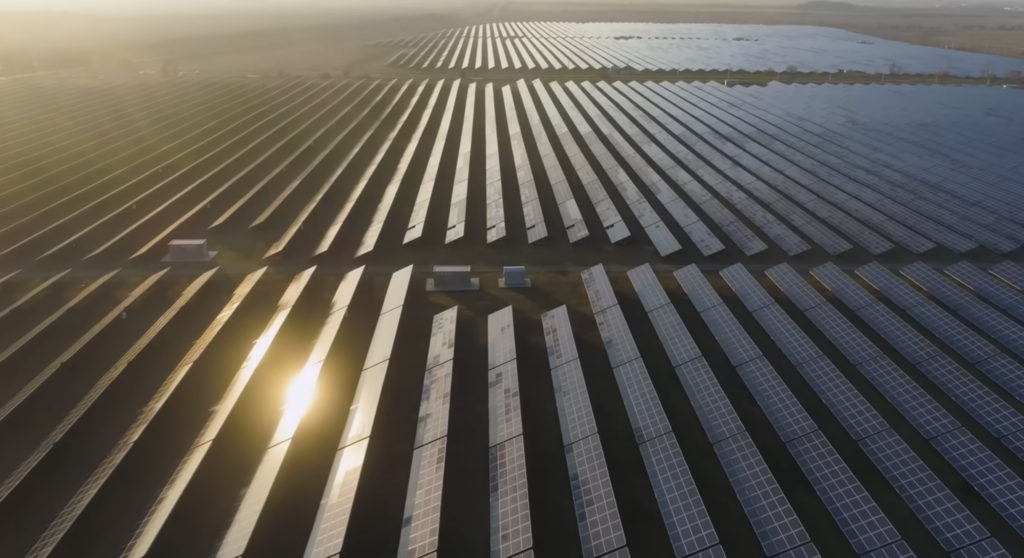
Technology would likely eliminate most diseases, extend human lifespan, and manage natural disasters before they cause destruction. Humanity would also likely become a unified global society with shared systems of communication, governance, and scientific advancement across the entire planet.
Type 2 Civilization: Stellar Power
A Type 2 civilization can harness the total energy output of its star. For humanity, this would involve massive megastructures such as Dyson Swarms built around the Sun to collect energy on an unimaginable scale. With this power, humans could terraform planets, colonize moons, and establish permanent settlements across the Solar System.

Space travel would become routine, and resource scarcity would largely disappear. However, survival would still depend on staying within one star system, meaning expansion into interstellar space would become the next critical step.
Type 3 Civilization: Galactic Expansion
At Type 3, a civilization would harness the energy of an entire galaxy. Humanity would have spread across the Milky Way using advanced propulsion systems, possibly including near light speed travel or self replicating robotic probes. Entire star systems would be colonized and optimized for energy use, with Dyson Swarms surrounding billions of stars.
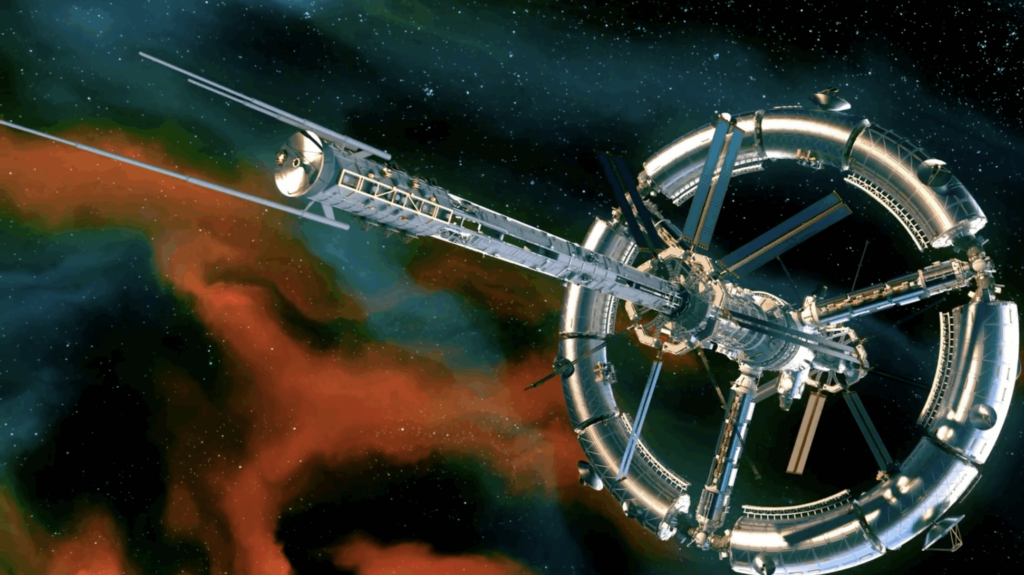
Humans could also become deeply integrated with artificial intelligence or cybernetic enhancements, potentially achieving extreme longevity or even functional immortality while managing a vast interstellar network.
Type 4 Civilization: Universal Control
A Type 4 civilization would extend its reach beyond a single galaxy and control energy across the entire observable universe. At this stage, civilization would have mapped billions of galaxies and understood cosmic structures at a fundamental level. Encounters with other intelligent species would be likely, raising major ethical questions about interference, cooperation, or coexistence.
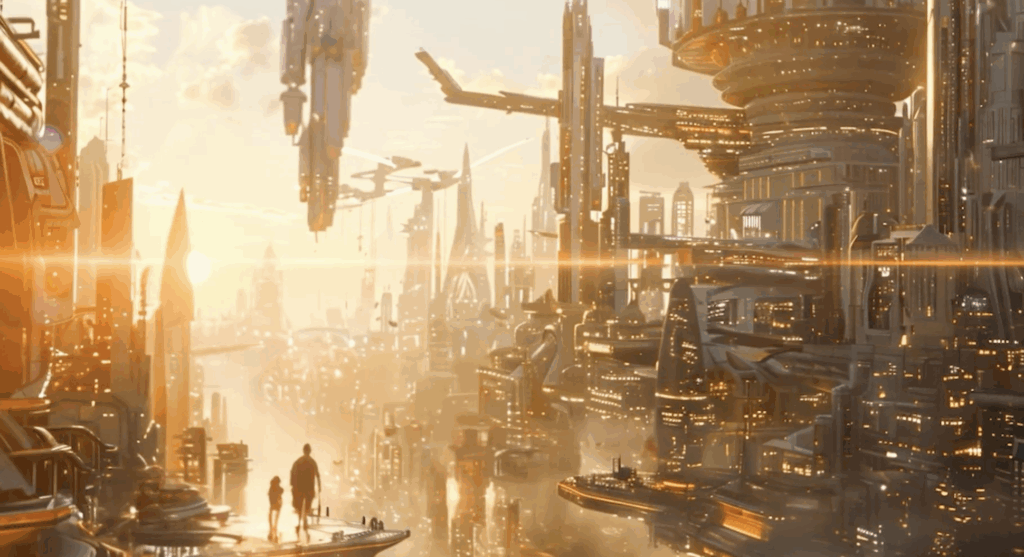
Technology would appear almost godlike to earlier stages of civilization. However, even this level of advancement would still face the ultimate limit of cosmic entropy and the eventual fate of the universe itself.
Type 5 Civilization: The Multiverse Stage
A Type 5 civilization would go beyond a single universe and begin to operate across the multiverse. This would mean the ability to travel between different universes with different physical laws and potentially harvest energy from multiple realities at once. Civilizations at this level could experiment with physics itself, adjusting constants and exploring entirely different versions of existence.

At this stage, survival is no longer tied to one universe, making extinction far less likely. Reality itself becomes something that can be explored, shaped, and expanded.
Type 6 Civilization: Omniverse Control
At Type 6, civilization would expand its understanding to the entire omniverse, including all possible universes and timelines. Humanity would no longer exist as biological beings but as advanced energy or machine based consciousness. They would be capable of creating new universes and managing cosmic evolution across infinite realities.
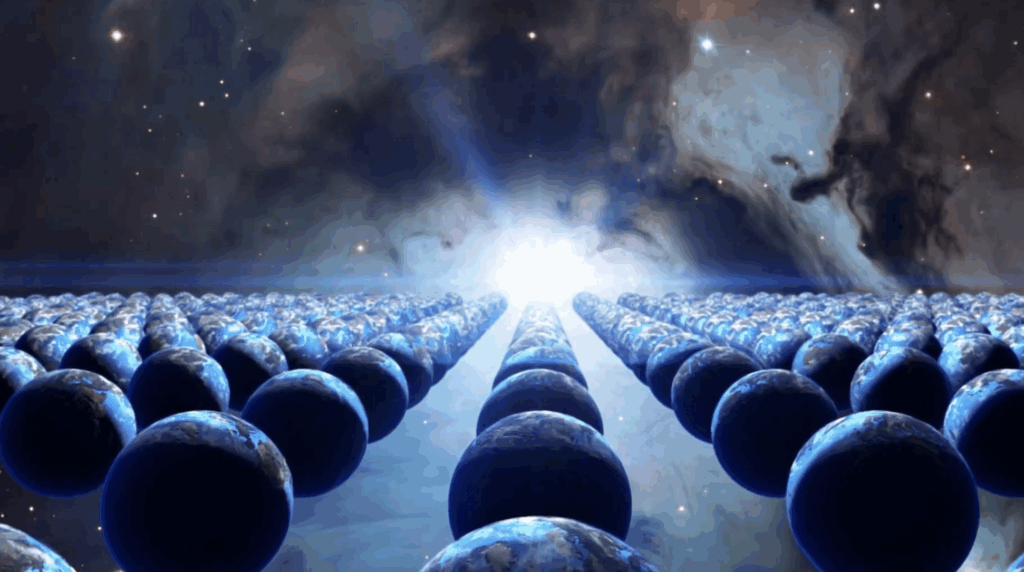
Governance would likely be handled by highly advanced artificial intelligence systems ensuring balance and stability across creation itself. Civilization would shift from survival and expansion to purpose, meaning, and ultimate understanding of existence.
Type 7 Civilization: Infinite Creation
Type 7 represents the final theoretical stage, where civilization gains complete control over all reality, dimensions, and timelines. At this level, universes could be created, altered, or removed instantly, and existence itself becomes fully malleable. Beings may exist as pure consciousness, no longer bound by physical form or limitations.

Time, space, and matter become tools rather than constraints. At this stage, civilization and creation become indistinguishable, representing the ultimate form of existence and control over all that can possibly exist.
Humanity’s Current Level
Today, humanity is not even a Type 1 civilization. We currently sit at approximately Type 0.7 on the Kardashev Scale, meaning we still depend heavily on fossil fuels and have only partial control over Earth’s natural forces. While we can predict weather and reduce some disasters, we cannot fully prevent them.
However, rapid growth in renewable energy, nuclear fusion research, and global digital systems suggests we are slowly moving upward. Many experts estimate it could take a few centuries before we fully reach Type 1 status.