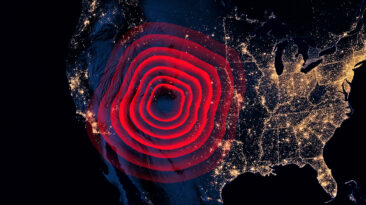
You wake up in January 2027. Nothing feels wrong. No alerts. No breaking news screaming at you. Just another year starting like all the others.
But underneath the surface, something is already quietly running out of time.
The global security system built after the Cold War is now missing one of its last remaining guardrails. With nuclear treaties either expired or stretched beyond recognition, the world’s major powers are effectively operating with fewer constraints than at any point in decades. Not openly hostile, not at war, but no longer tightly bound either.
That alone would be enough to worry strategists. But it is only one layer of the year.
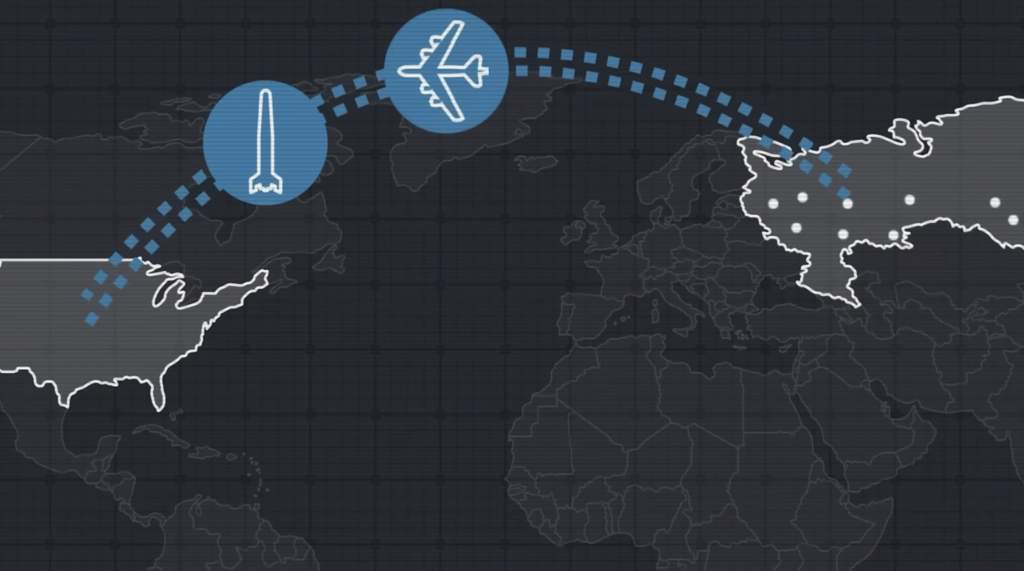
In early 2027, tension in the Pacific continues to build. Taiwan remains the central pressure point between the United States and China, and the situation has shifted from “deterrence” to constant testing.
You start seeing it in fragments. Military escorts near shipping lanes. Commercial vessels reporting shadowing from coast guard fleets. Unmanned systems appearing near sensitive routes. Each incident is described officially as “routine” or “non escalatory,” but the frequency tells a different story.
It is not war. It is rehearsal for something just short of war.
By February, the global economy begins to feel the strain.
Even without open conflict, trade becomes slower and more expensive. Insurance costs rise sharply for key maritime routes. Companies start rerouting supply chains away from East Asia, not because they want to, but because risk calculations are changing in real time.
Semiconductors, rare earth materials, and advanced electronics become politically sensitive bottlenecks again. The same global system that once optimized for speed is now optimizing for redundancy, and that shift is expensive.
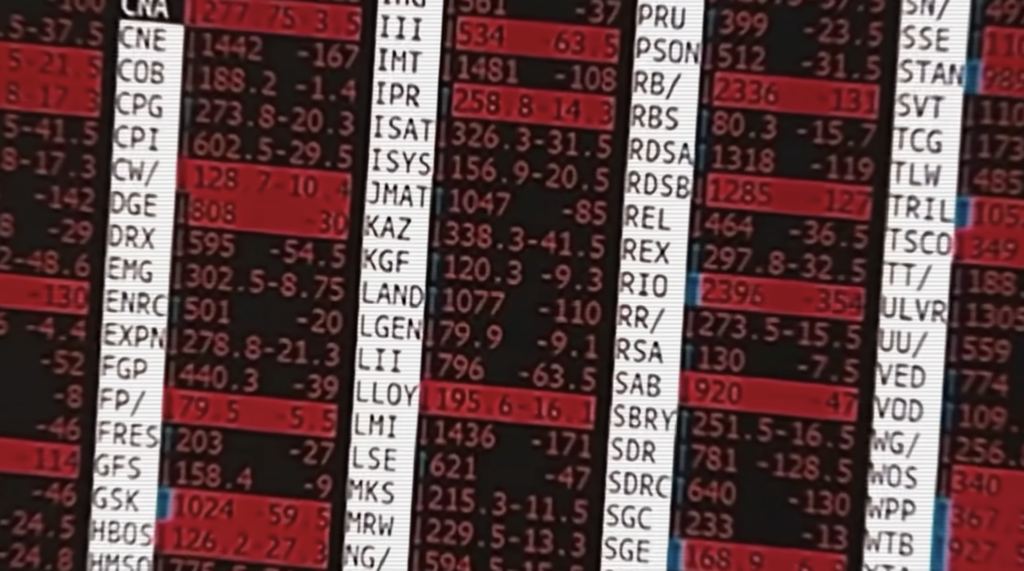
Markets react in predictable ways. Volatility returns. Tech stocks swing violently on geopolitical headlines. Shipping and manufacturing sectors begin to decouple region by region. Investors start asking a question that was unthinkable a few years earlier: what if globalization is no longer stable by default?
By March, those economic pressures begin to hit everyday life.
Consumer electronics slow down in availability. Industrial production becomes uneven. Some countries maintain stability through reserves and domestic manufacturing, while others face intermittent shortages in critical goods.
It feels less like a collapse and more like fragmentation. The world is still functioning, but not in sync.
Then financial systems start showing stress in a new way.
Digital payment networks, heavily relied on across global commerce, become a focal point of both cybercrime and state level probing. Even without a catastrophic attack, repeated disruptions and security incidents reduce confidence.

When trust in payment systems weakens, people begin shifting behavior quickly. Cash demand rises in some regions. Alternative financial networks expand. Governments respond with tighter controls, audits, and restrictions meant to stabilize capital flow, but which often increase uncertainty instead.
By May, the pressure becomes technical as well as political.
Coordinated cyber incidents target logistics, banking back ends, and infrastructure monitoring systems across multiple regions. Not full blackouts everywhere, but enough disruption to create cascading delays.
Transactions fail intermittently. Freight tracking systems go offline and then return with missing or delayed data. Energy grids operate under heightened alert due to anomalies that may or may not be attacks.
The most dangerous part is not the outages themselves. It is the uncertainty about whether they are isolated incidents or coordinated probing.
Meanwhile, climate stress intensifies again.
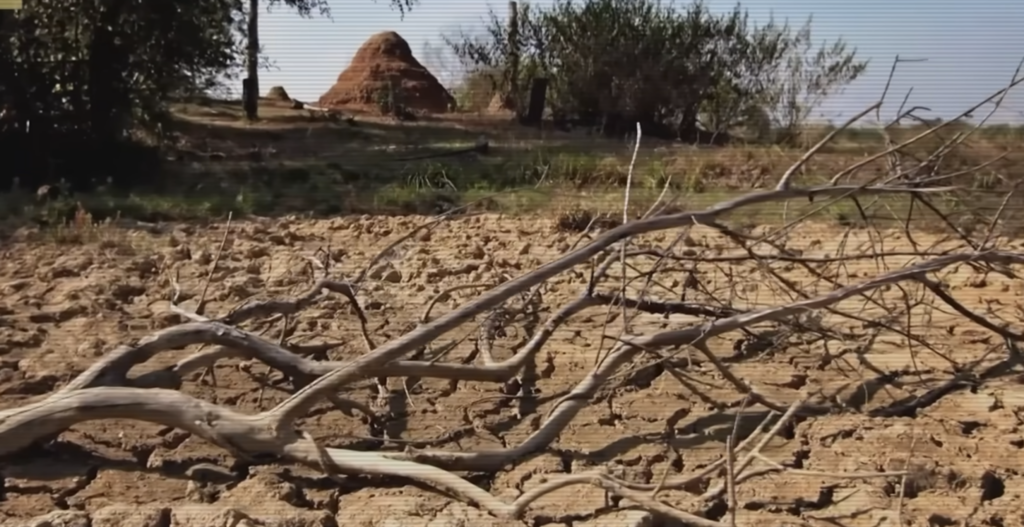
A major heat event develops across multiple continents during the northern summer. Cities already stretched by demand face rolling energy shortages. Cooling systems struggle under sustained load. Infrastructure built for short heat waves begins to fail under long duration extremes.
Agricultural output is affected again, especially in regions already dealing with drought cycles. Governments tighten export policies on staple crops. Food prices rise globally for the third time in just a few years.
At this point, systems are not breaking all at once. They are thinning out.
By mid 2027, political stability becomes more fragile in multiple regions simultaneously. Protests grow in response to rising costs, infrastructure failures, and economic uncertainty. Governments face pressure from both internal unrest and external strategic threats.
In this environment, even small incidents can escalate faster than they normally would. Misinterpretations become more dangerous. Response windows shrink.

Then a new layer appears on top of everything else.
Public health systems, still recovering capacity from previous global shocks, face renewed strain from seasonal outbreaks and a more connected world moving faster than containment systems can respond. Nothing instantly apocalyptic, but enough to stress hospitals already dealing with energy instability and staffing shortages.
By the end of 2027, the world has not ended or collapsed.
But it has changed shape.
Globalization still exists, but it is more regional. Supply chains are shorter and duplicated. Financial systems are more controlled. Governments rely more heavily on emergency frameworks that were once considered temporary.
The defining feature of this version of 2027 is not a single catastrophe.
It is overlap.

Nuclear uncertainty, economic fragmentation, cyber instability, climate pressure, and health strain all operating at the same time, each amplifying the others just enough to reduce global resilience.
And the uncomfortable reality is that none of these pressures are speculative fiction. They are existing trends, already measured, already debated, already unfolding.
So the real question is not whether 2027 becomes this exact scenario.
It is whether the world is becoming resilient enough to survive even part of it arriving together.