When most people think about deadly dangers at the beach, sharks are usually the first thing that comes to mind. But the real threat hiding beneath the waves is far less dramatic and much more common. Every year, powerful ocean currents pull thousands of swimmers away from shore, and many people never make it back. This hidden danger is called a rip current.
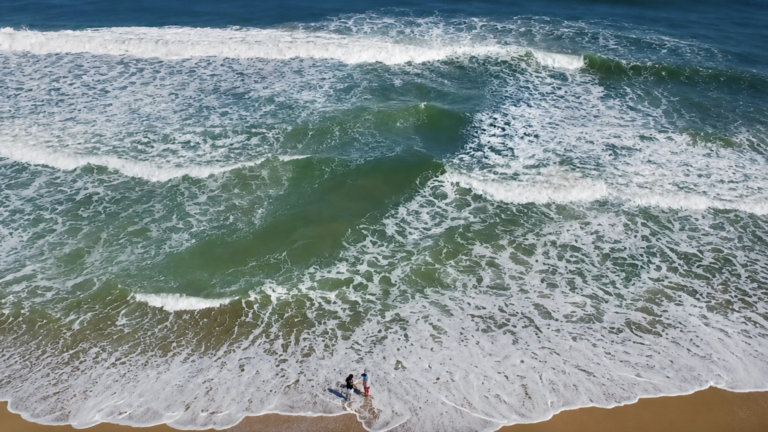
A rip current is a narrow channel of fast moving water that flows away from the beach. They can form in oceans, lakes, and even places where the weather appears calm and perfect for swimming. In the United States alone, rip currents are responsible for more than 100 deaths every year, while lifeguards around the world perform more than 100,000 rescues from these dangerous currents.
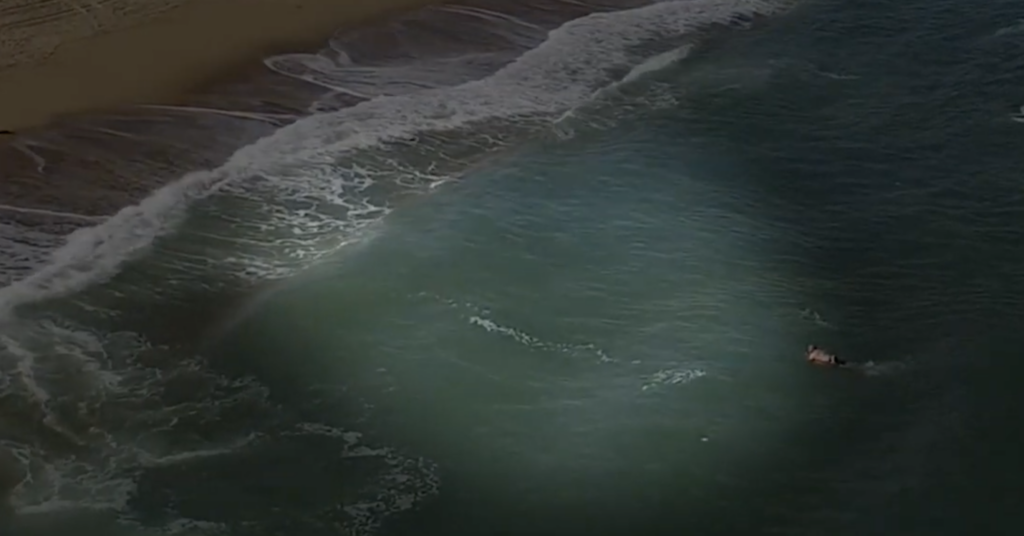
The most frightening part is that rip currents can appear without warning. They form when waves break more strongly in some areas and weaker in others, creating a powerful flow of water that rushes back toward the open sea. Some rip currents can move faster than 2.4 meters per second, which is quicker than even Olympic swimmer Michael Phelps can swim.
Once caught in one, many swimmers make the same dangerous mistake: they try to fight directly against the current. But swimming toward the shore against a powerful rip current quickly drains energy and can lead to exhaustion and drowning.
The safest response is the opposite of what your instincts might tell you. Stay calm and allow the current to carry you away from the beach while conserving your energy. Most rip currents are relatively narrow, and after floating out of the strongest flow, you can swim parallel to the shore until you escape it. Then you can safely make your way back to land. In many cases, the current may only pull you out for a few minutes before weakening.
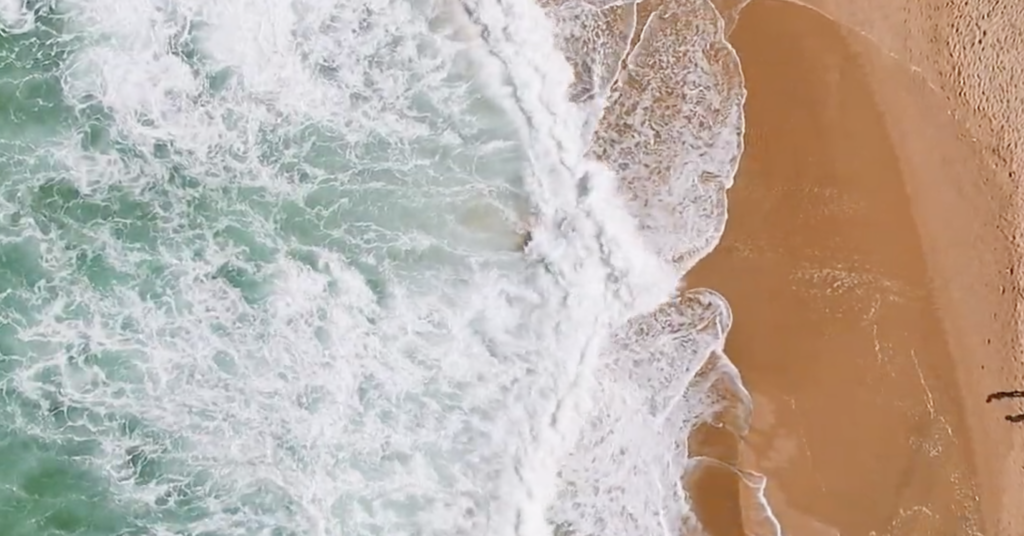
Respecting warning signs is one of the best ways to avoid danger. In 2003, during Fourth of July celebrations at Lake Michigan, clear skies and warm weather encouraged many people to enter the water despite warnings about dangerous conditions. Rip currents pulled swimmers beyond safety areas, resulting in seven deaths.
Another important rule is to understand that even small waves can create powerful currents. Rip currents can exist when waves are less than one meter high, and they can sometimes be felt in water only as deep as your knees. A current that seems harmless can become extremely dangerous when the water reaches chest level.
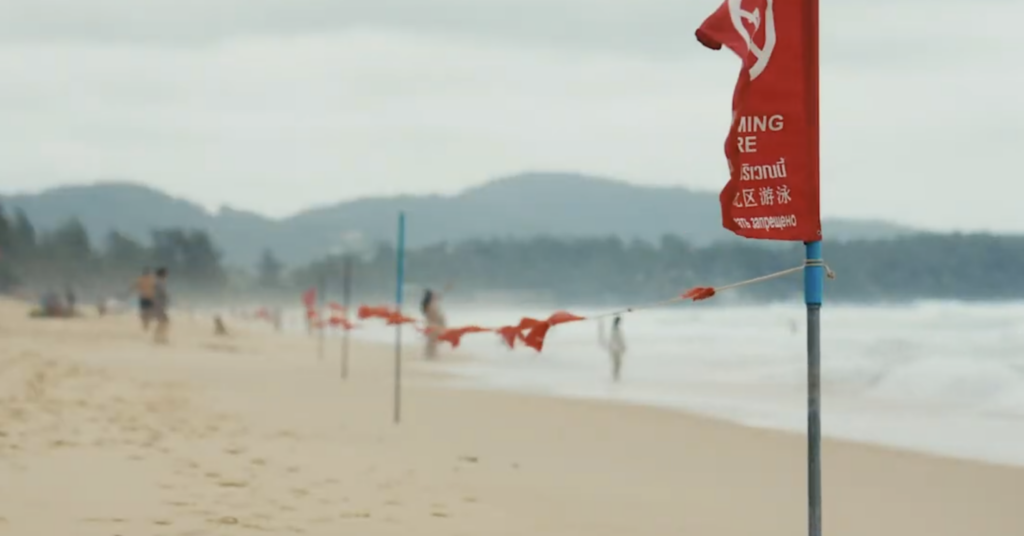
Lifeguards place flags and signs on beaches to identify safer swimming areas, but conditions can change quickly. Staying near lifeguards, avoiding swimming alone, and paying attention to local warnings can dramatically reduce the risk.
One of the biggest mistakes people make is attempting a rescue without proper training. If someone is struggling in a rip current, a person who swims out to help may also become trapped. This can create multiple victims and make the job harder for professional rescuers. Instead, alert lifeguards, call for help, or use flotation equipment if available.
In 1938, at Sydney’s famous beaches, hundreds of swimmers were caught in powerful waves and rip currents. Lifeguards struggled through the chaos to reach those in danger. Although around 200 people were rescued, five people lost their lives.
Rip currents are responsible for more beach deaths than many people realize. They are invisible, powerful, and unpredictable, but understanding how they work can save your life. The ocean does not need to look dangerous to be dangerous, and the best survival tool is knowing what to do before trouble begins.