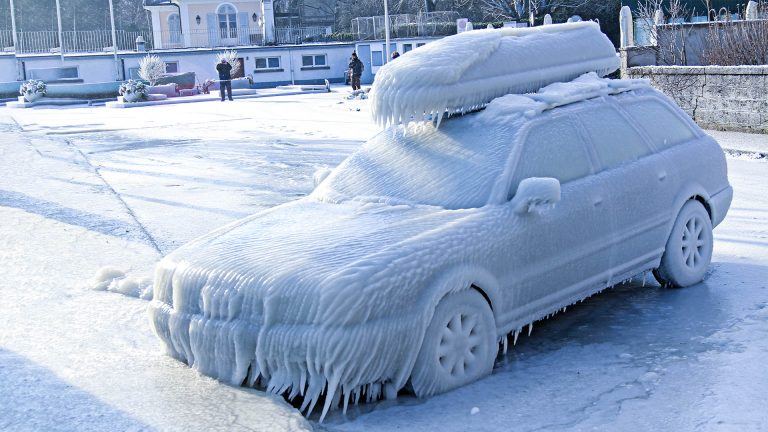
An ice storm begins when temperatures drop to around 0°C (32°F) and freezing rain turns into a layer of ice the moment it touches the ground, trees, buildings, or power lines. What seems like a thin coating can quickly become a massive danger.
Within minutes, tree branches can become 30 times heavier than normal, power lines can carry hundreds of kilograms of ice, and roads can transform into nearly impossible surfaces to drive or walk on.
How can a bag of salt protect you? Why should you walk like a penguin? And why could trying to stay warm during an ice storm actually put your life in danger?
Step 1. Never Use a Grill Indoors
When an ice storm knocks out your power, your first thought may be finding another way to heat your home. But some methods can be deadly.
Never use charcoal grills, camping stoves, or generators inside your house. These devices release carbon monoxide, a colorless and odorless gas that can quickly become fatal.

In December 2013, a powerful ice storm struck parts of Canada, covering communities with thick layers of ice and leaving millions without electricity. During the disaster, carbon monoxide poisoning cases increased more than ten times, and nine people died.
Step 2. Stock Up on Salt
You cannot stop an ice storm from arriving, but you can prepare your home before it happens.
Seal gaps around windows and doors to prevent cold air from entering. Protect your pipes with insulation so they do not freeze and burst. You should also keep bags of road salt and sand nearby.
Salt helps melt ice, while sand improves grip on slippery surfaces. If you need to leave your home during an emergency, these simple supplies can help prevent dangerous falls and injuries.
Step 3. Prepare Emergency Supplies
Ice storms are common in parts of the United States, especially across the Northeast and Midwest. Some areas can experience many hours of freezing rain during winter, making preparation essential.
Pay attention when temperatures begin changing quickly, especially when cold air moves in and rain is expected. Those conditions can create the perfect setup for dangerous ice accumulation.
Prepare enough supplies to stay inside for several days. Store drinking water, with about 3.8 L (1 gal) per person each day, along with nonperishable food such as canned goods. Keep flashlights with extra batteries, a first aid kit, and other emergency items ready.
Step 4. Stay Indoors
Once freezing rain begins, the safest place to be is inside your home. Driving during an ice storm is extremely dangerous because visibility drops and roads can become almost impossible to control on.
In January 2009, a major ice storm hit Kentucky and Arkansas, covering everything with around 5 cm (2 in) of ice. More than 1.3 million homes lost power, and 42 people died, many from vehicle accidents and hypothermia.

If you lose power, gather everyone into one smaller room and close doors to unused areas. Keeping everyone together helps trap body heat and makes it easier to stay warm.
Step 5. Walk Like a Penguin
Even after the storm ends, the danger is not over. The ice left behind can still create serious hazards.
Avoid standing beneath your roof because large sheets of ice can break loose without warning. Stay away from trees as frozen branches can become extremely heavy and suddenly snap.
If you must walk across icy surfaces, copy a penguin. Take short steps, keep your feet flat, and move slowly with one foot directly in front of the other. This helps maintain balance and reduces your chance of falling.
But surviving the storm does not mean the danger is completely gone. After being exposed to extreme cold, your fingers may begin changing color. Blackened skin can be a sign of frostbite, a serious injury caused by freezing temperatures.