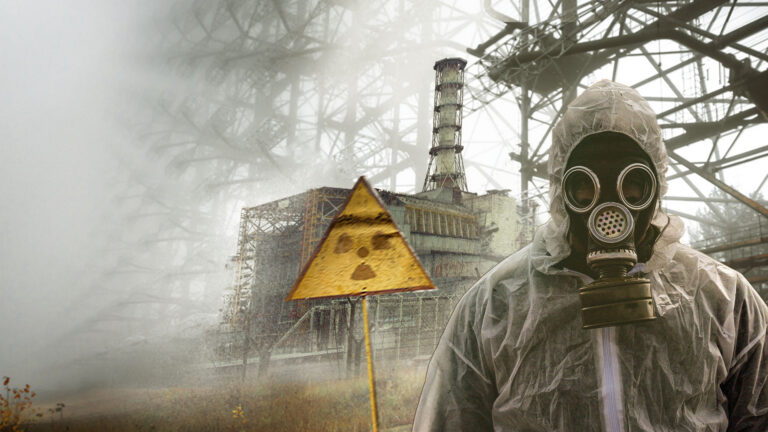
Standing in the middle of Chernobyl sounds like something from a nightmare. The abandoned buildings, empty streets, and history of one of the world’s worst nuclear disasters make it seem like a place where nothing could survive.
But what if you had to spend 72 hours there? Would the radiation kill you? Would you encounter dangerous mutant animals? And what would you need to do to make it out alive?
The Chernobyl disaster happened in April 1986 when reactor number four at the Chernobyl Nuclear Power Plant exploded during a failed safety test. The accident released radioactive material across large parts of Ukraine, Belarus, and beyond. Thirty one people died directly from the disaster, while hundreds of thousands of people were affected by the evacuation and long term consequences.

Today, Chernobyl is no longer the instant death zone many people imagine. Thousands of tourists have visited the area, with more than 124,000 people entering the exclusion zone in 2019 alone.
The biggest danger today is not the radiation levels everywhere, but the remaining radioactive hotspots scattered throughout the area.
The Chernobyl exclusion zone covers about 30 kilometers around the nuclear plant. It includes areas where radioactive contamination from the accident was highest. While much of the radiation has decreased over the decades, radioactive elements such as cesium 137 and strontium 90 can still remain in certain locations.
During a visit, radiation levels are carefully monitored. Visitors are checked when entering and leaving the zone, and guides make sure people avoid dangerous areas. However, it is still important to recognize signs of serious radiation exposure.
Symptoms of high radiation exposure can include nausea, skin redness, weakness, and unusual changes in the body. If these symptoms appear, leaving the area and getting medical attention would be critical.
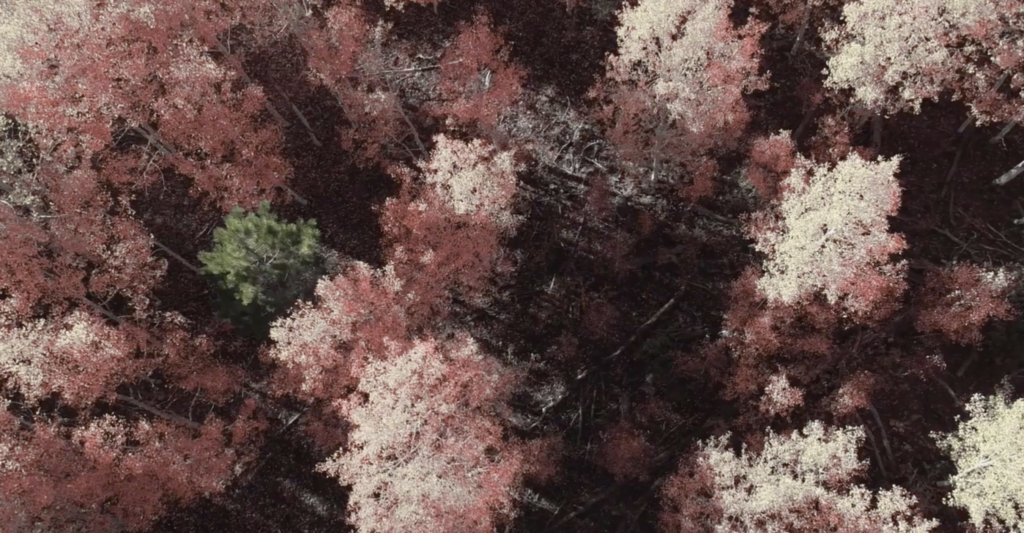
One of the most important rules for surviving Chernobyl is avoiding radioactive hotspots. Areas like the Red Forest, located near the reactor, still contain higher levels of contamination.
The Red Forest got its name because the radiation from the explosion killed many of the trees, turning their needles a reddish color. Shortly after the accident, much of the wildlife in the area disappeared.
But decades later, nature has returned.
Instead of being filled with mutant creatures, Chernobyl has become home to a surprising amount of wildlife. Wolves, brown bears, bison, lynxes, and hundreds of bird species now live in the exclusion zone, taking advantage of the lack of human activity.
Food and water are also important. Visitors should only consume supplies from approved sources. Eating contaminated food or drinking unsafe water could expose the body to radioactive materials.
Protecting your skin is another key step. Wearing long sleeves, long pants, and closed shoes reduces the chance of radioactive particles attaching to your body.
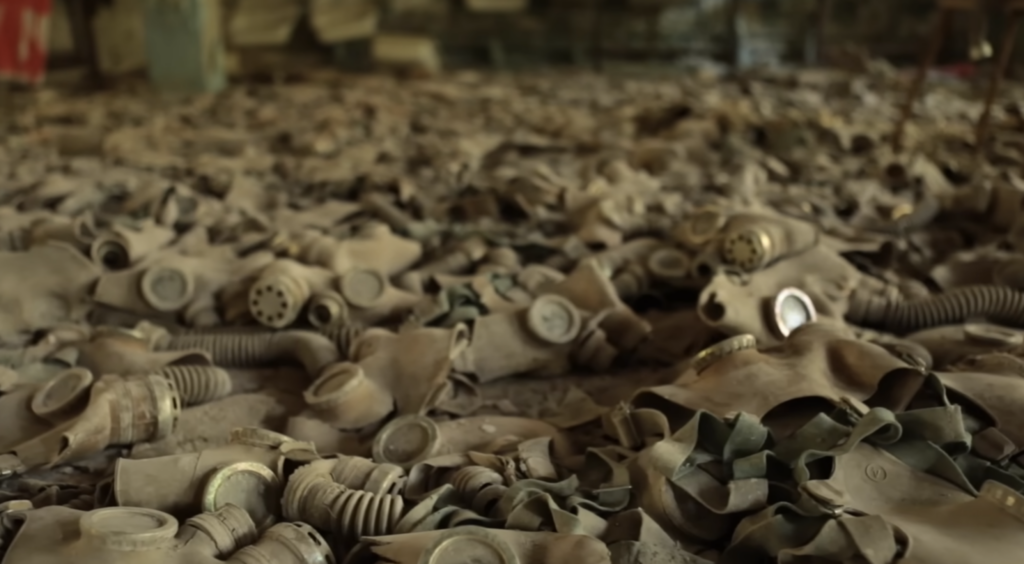
If you do come into contact with radioactive material, removing it quickly is essential. Contaminated clothing should be removed, and the body should be washed carefully with soap and clean water. Scrubbing aggressively is not recommended because damaged skin can allow radioactive particles to enter the body. Shampoo should be used for hair, but conditioner should be avoided because it can trap contaminants.
Surviving 72 hours in Chernobyl is possible, but only if strict safety rules are followed. Staying with a guide, avoiding restricted areas, and respecting radiation warnings are the keys to staying safe.
Today, the Chernobyl site continues to be managed and monitored. The New Safe Confinement structure, completed in 2017, covers the destroyed reactor and helps contain radioactive materials while scientists work toward the eventual removal of nuclear fuel.
Chernobyl remains one of the most dangerous reminders of what nuclear accidents can do, but it is also proof that nature can recover even after one of humanity’s worst disasters.