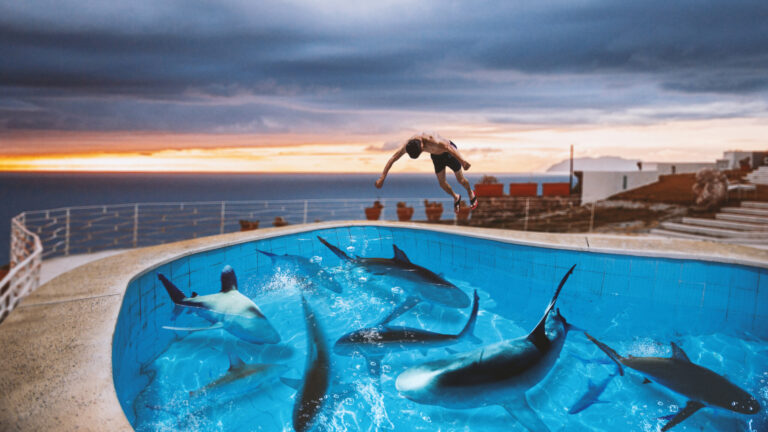
A perfect dive into the water can turn into a nightmare in an instant.
Instead of surfacing in a quiet swimming pool, imagine opening your eyes underwater to find dozens of sharks circling around you. Every movie you’ve ever seen suddenly races through your mind, and your first instinct is to panic.
But surprisingly, panic might be the most dangerous thing you can do.
Despite their terrifying reputation, sharks are not the mindless killing machines they are often portrayed to be. They are apex predators that play a crucial role in keeping ocean ecosystems healthy, but humans are not their preferred prey.
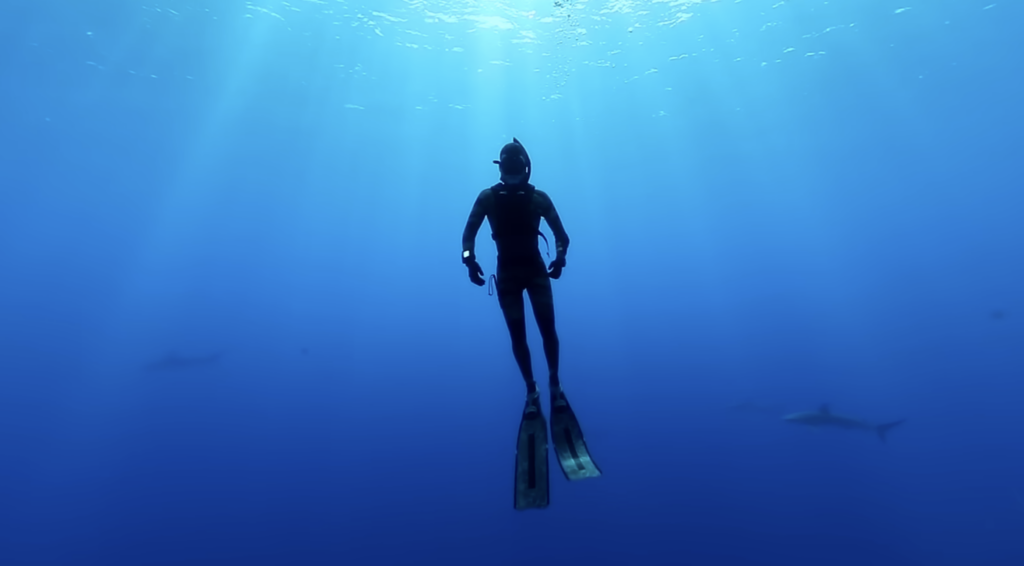
If you somehow fell into a large pool filled with sharks, your chances of surviving would depend on several factors, including the species of shark, the time of day, and most importantly, how you react.
If the accident happened during the daytime, you would already have one advantage. Many shark species are most active while hunting during dawn, dusk, or nighttime, when lower light levels make it easier to surprise fish and other marine animals. During the middle of the day, many sharks are less interested in feeding, although that doesn’t mean they are harmless.
The first few moments after entering the water would be critical. Splashing wildly and trying to swim away as fast as possible would only attract more attention. Sharks are built for speed and can easily outrun even the strongest human swimmer. Remaining calm, keeping your movements controlled, and avoiding unnecessary splashing gives you the best chance of avoiding unwanted attention.
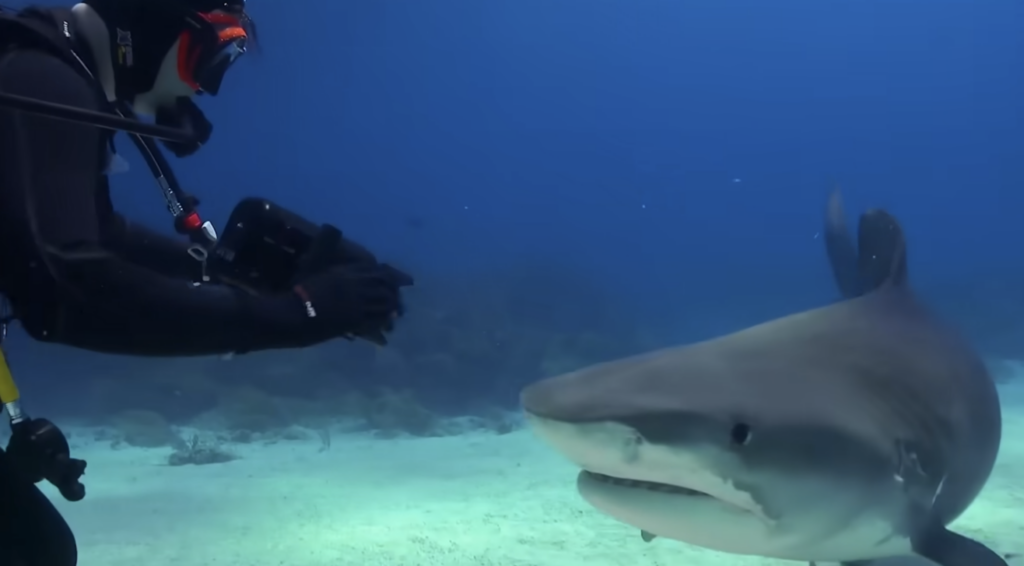
Shark attacks are actually much rarer than most people realize. Millions of people enter the ocean every year, yet only a tiny number are bitten by sharks. Statistically, a person is far more likely to be struck by lightning or injured in many everyday accidents than attacked by one of these predators.
One reason for this is surprisingly simple.
Humans are not part of a shark’s normal diet.
Most sharks evolved to hunt fish, seals, sea lions, and other marine animals. A fully grown human has a body shape that looks very different from their usual prey. In fact, many shark experts believe that some attacks occur because the animal mistakes a swimmer or surfer for something else, especially when visibility underwater is poor.
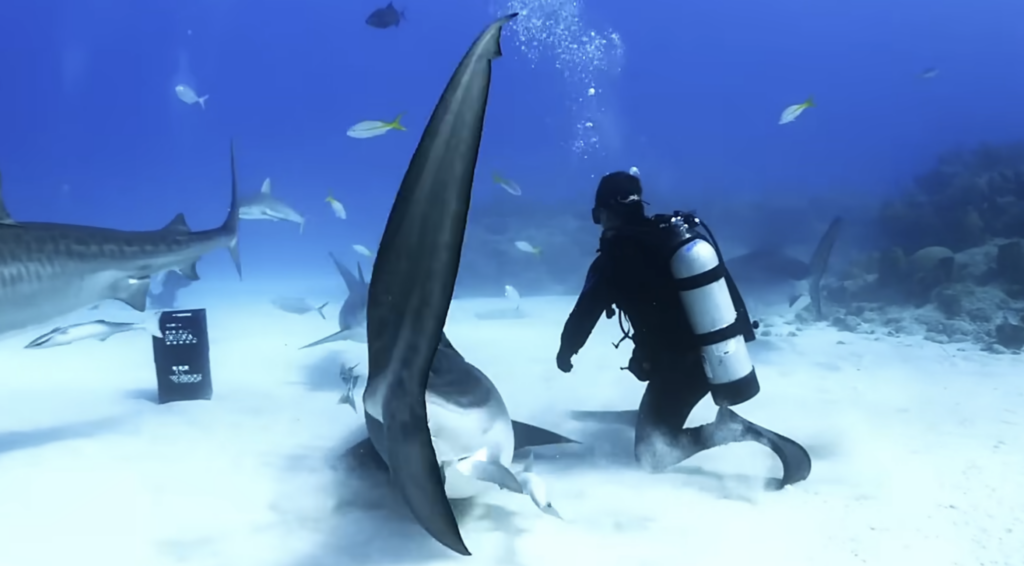
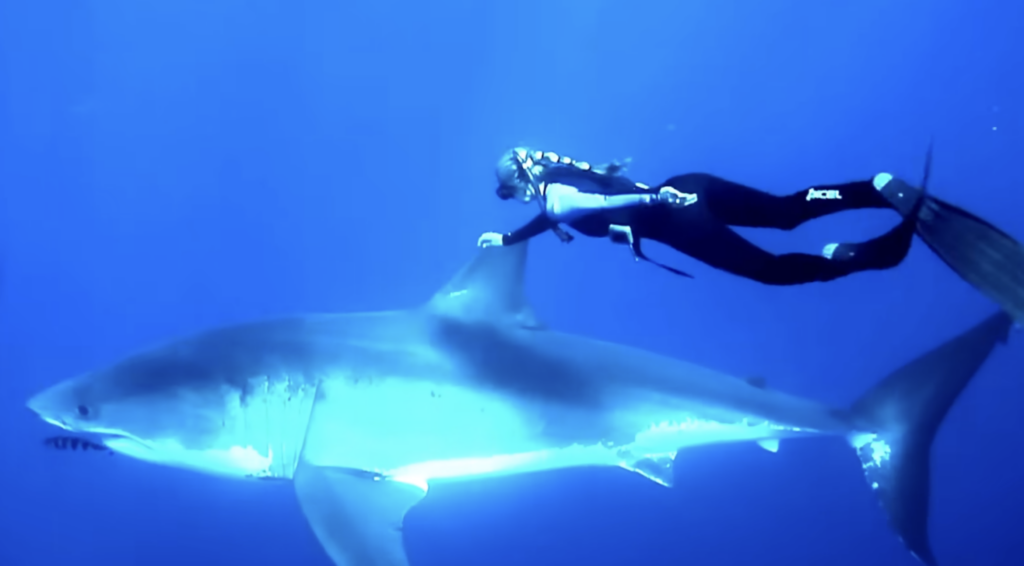
Great white sharks are one of the few species large enough to view humans as potential prey, but even they rarely target people intentionally. Many recorded attacks involve a single investigative bite, after which the shark swims away after realizing the human is not the food it expected.
What about blood?
Movies often suggest that a single drop of blood will send every shark into a feeding frenzy.
The truth is far less dramatic.
Sharks possess an incredible sense of smell and can detect tiny amounts of certain substances in the water. However, smelling human blood does not automatically trigger an attack. Human blood is unfamiliar compared to the scent of injured fish or marine mammals that sharks normally hunt.
What is more likely to attract a shark is unusual movement.
An injured person thrashing in the water creates vibrations and sounds that resemble struggling prey. Sharks have highly developed senses that allow them to detect these movements from surprising distances, making excessive splashing much more noticeable than the scent of blood alone.
If a curious shark approached, it would not necessarily mean it planned to attack. Sharks often investigate unfamiliar objects by swimming close or making gentle contact. Unfortunately, because their mouths are one of the primary ways they explore their surroundings, even a curious bite can cause serious injuries due to their powerful jaws and rows of sharp teeth.
The situation would become much more dangerous if the sharks had not been fed for an extended period. Hungry predators are far more likely to investigate anything that enters the water, increasing the chances that curiosity could turn into feeding behavior.
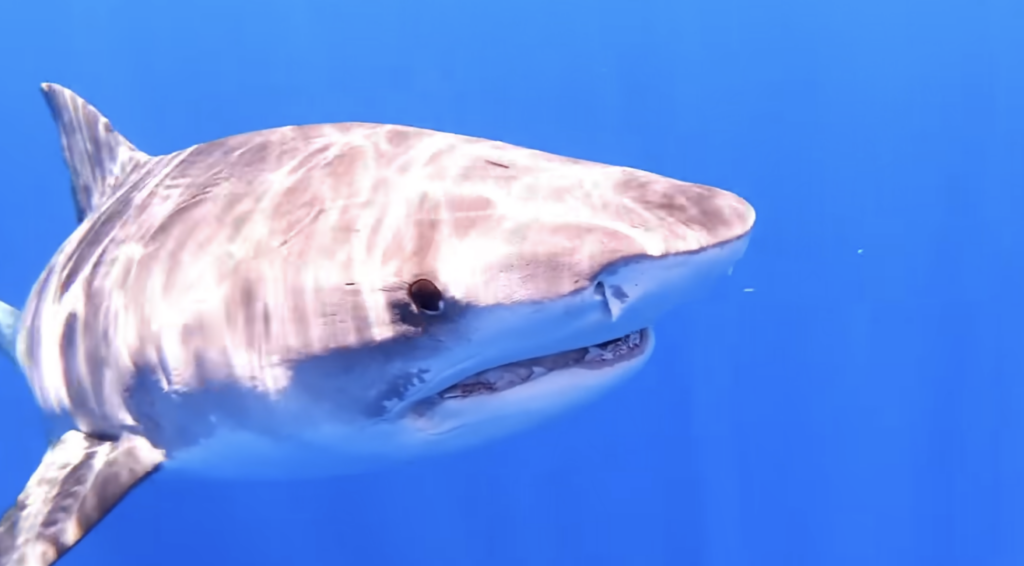
Fortunately, this scenario is extremely unlikely in professionally managed aquariums or marine facilities, where sharks are regularly fed and closely monitored by trained staff.
Although the thought of being surrounded by sharks is enough to terrify almost anyone, these animals are often misunderstood. Around the world, experienced divers safely enter the water with various shark species every day under controlled conditions. These encounters allow people to appreciate the beauty, intelligence, and importance of creatures that have ruled the oceans for hundreds of millions of years.
So if you ever find yourself face to face with a shark, remember that staying calm may be your greatest survival tool.
The biggest danger isn’t always the shark itself.
Sometimes, it’s the panic that takes over first.