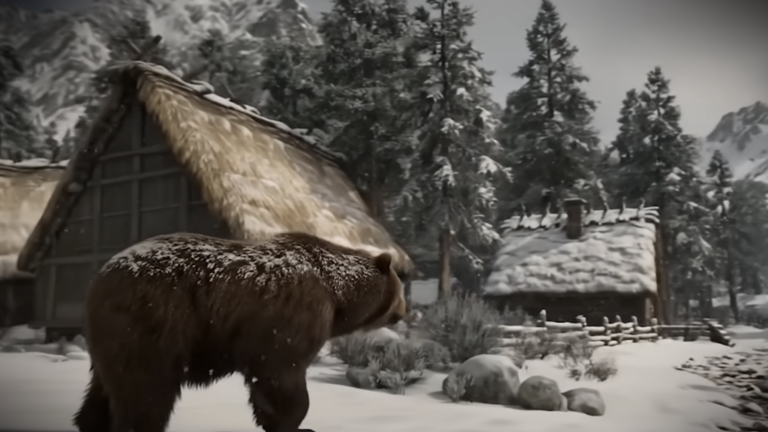
In 1915, the small village of Sankebetsu in Hokkaido, Japan, became the scene of one of the country’s most horrifying wildlife attacks. A massive Ussuri brown bear, estimated to weigh around 340 kilograms and measure roughly 2.7 meters long, began appearing near the settlement after apparently emerging from hibernation unusually early.
The bear was first noticed in November when it wandered onto a local farm and began searching for food. Hunters were called in several days later, and although they managed to shoot the animal, it escaped into the surrounding wilderness.
The villagers hoped the encounter had frightened the bear away for good.
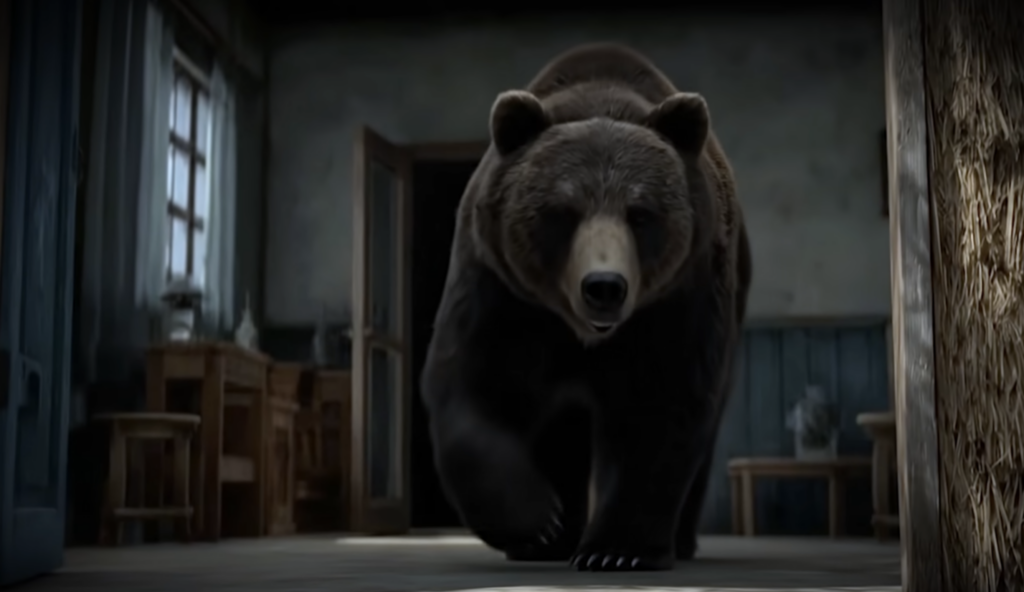
They were badly mistaken.
On December 9, the enormous bear returned to the village and entered a home where it attacked and killed an infant and a woman. When people searched the area the following day, they discovered the woman’s remains partially buried beneath the snow.
Fear spread rapidly through Sankebetsu. Villagers armed themselves and guards were organized, hoping that enough people could prevent the bear from entering another home.
That evening, the animal returned.
The bear broke into another house where women and children had gathered for safety. Inside, it attacked again, killing three children and a pregnant woman while also seriously injuring a guard, another woman and two children.
Even though people had surrounded the building, the bear somehow escaped once more.
The villagers now understood that they were dealing with an extraordinarily dangerous predator. The bear continued searching for food, and every appearance created panic throughout the settlement.
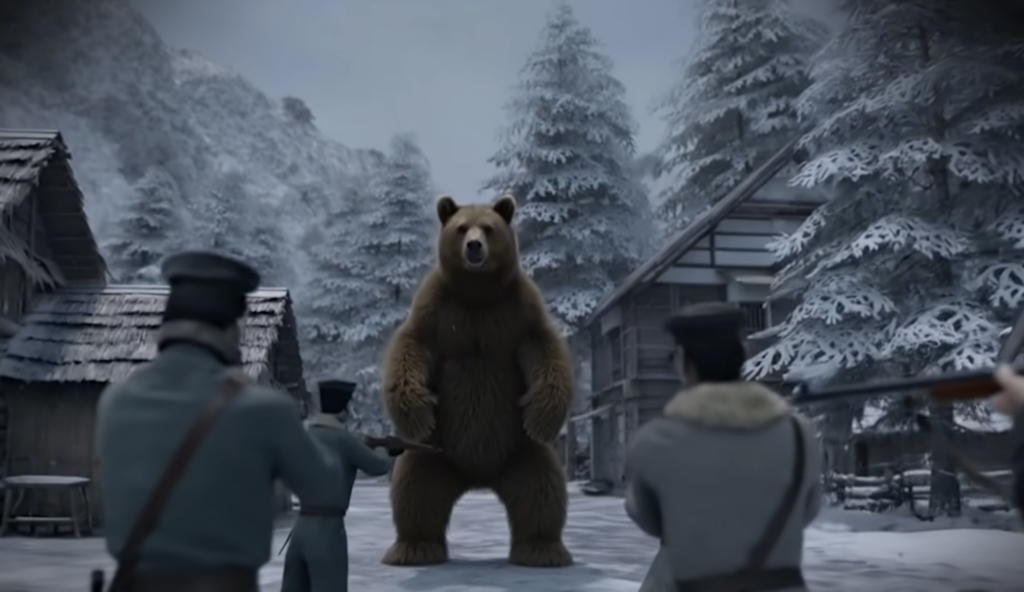
A large hunting party was eventually assembled.
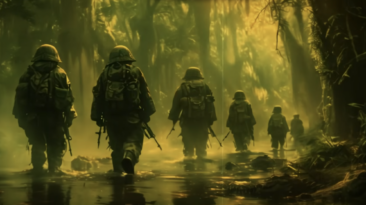
Around 60 armed men joined the effort, including an experienced hunter named Yamamoto Heikichi. When the bear appeared again, the hunters fired at it, but the wounded animal managed to escape into the surrounding wilderness.
This time, however, it had made a mistake.
The gunshot had injured the bear, leaving bloodstains across the snow. The hunters followed the trail through the winter landscape, knowing that every step could bring them closer to an animal that had already killed several people.
Heikichi eventually got within approximately 18 meters of the bear.
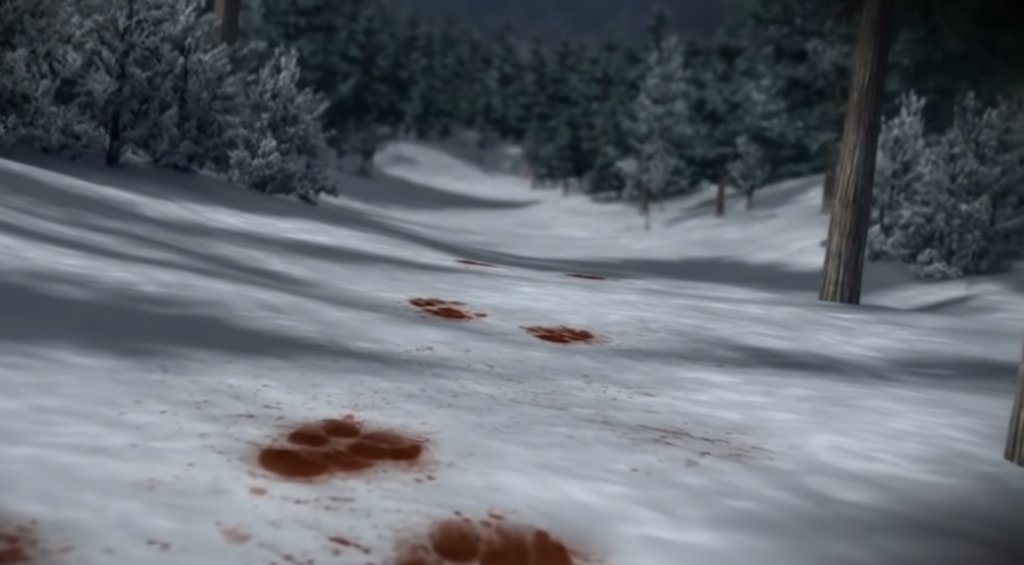
He raised his weapon and fired.
The first shot struck the bear in the heart, while a second shot to the head finally killed it. After nearly a week of terror, the people of Sankebetsu could finally leave their homes without fearing that the massive predator would return.
The tragedy was not quite over, however. One of the children who had survived the attacks later died from injuries connected to the incident, bringing the total number of deaths attributed to the bear to seven.
The Sankebetsu incident remains one of the deadliest bear attacks in recorded Japanese history. It also demonstrates why people living or traveling in bear country should never underestimate a large wild animal.
If you encounter a bear, give it plenty of space and avoid approaching it.
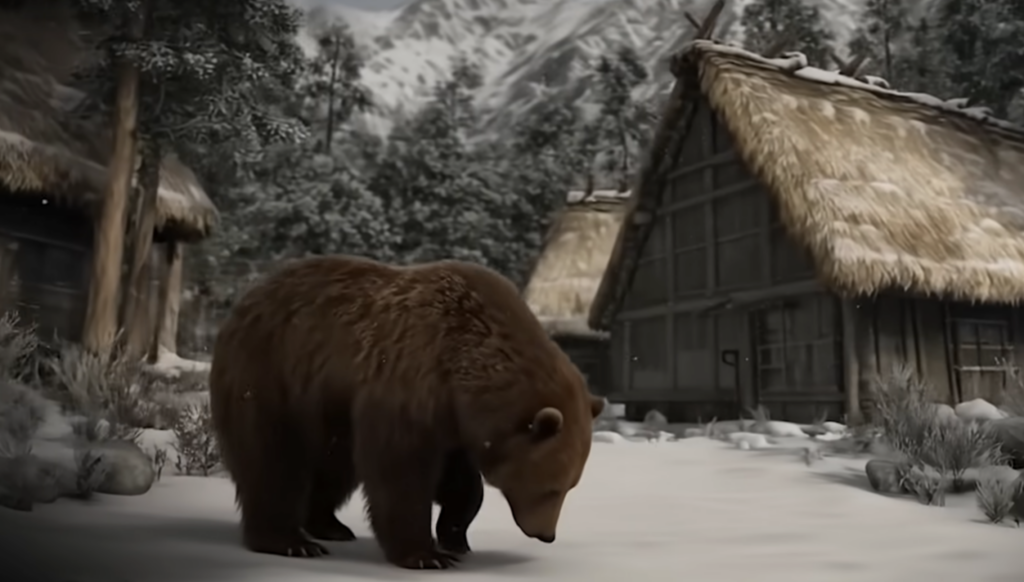
Making your presence known from a safe distance can help prevent a surprise encounter, while carrying appropriate bear deterrent equipment can provide an additional layer of protection where it is legally permitted.
If a brown bear attacks and physical contact occurs, playing dead is generally recommended when the encounter is defensive rather than predatory. Lie flat on your stomach, protect your neck and remain as still as possible until the bear leaves.
The people of Sankebetsu had no such protection in 1915.
They were simply villagers facing an enormous predator that had discovered their homes were an easy source of food. And it took one hunter, following a trail of blood through the snow, to finally bring the six day nightmare to an end.