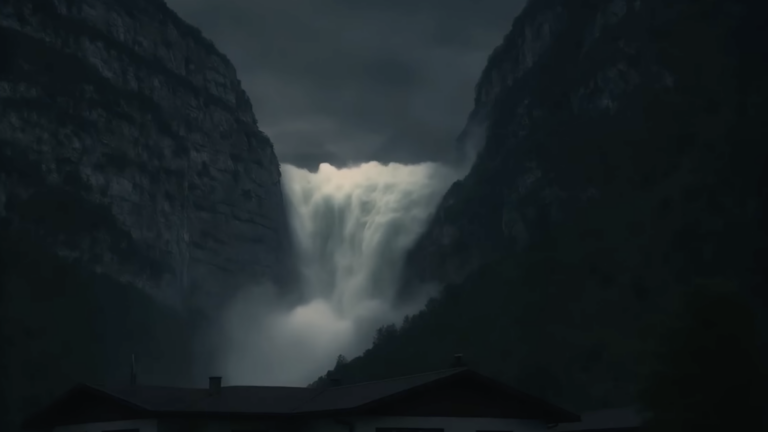
A deadly flash flood devastated Nepal, leaving hundreds missing and turning normally peaceful communities into scenes of destruction. Powerful rainfall sent huge amounts of water rushing through rivers and valleys, sweeping away homes, roads, bridges, vehicles, and anything else caught in the current.
For people caught in a flash flood, there may be almost no warning. Water levels can rise within minutes, and the force of the current can be strong enough to knock a person off their feet and carry them away. Even people far from the original storm can be in danger because floodwater can travel quickly through rivers and narrow valleys.
The disaster in Nepal is a reminder of how unpredictable flash floods can be. You might look outside and see relatively calm weather, only to find that water from heavy rain somewhere nearby is suddenly heading your way. Knowing what to do before the water arrives can make the difference between getting out safely and becoming trapped.
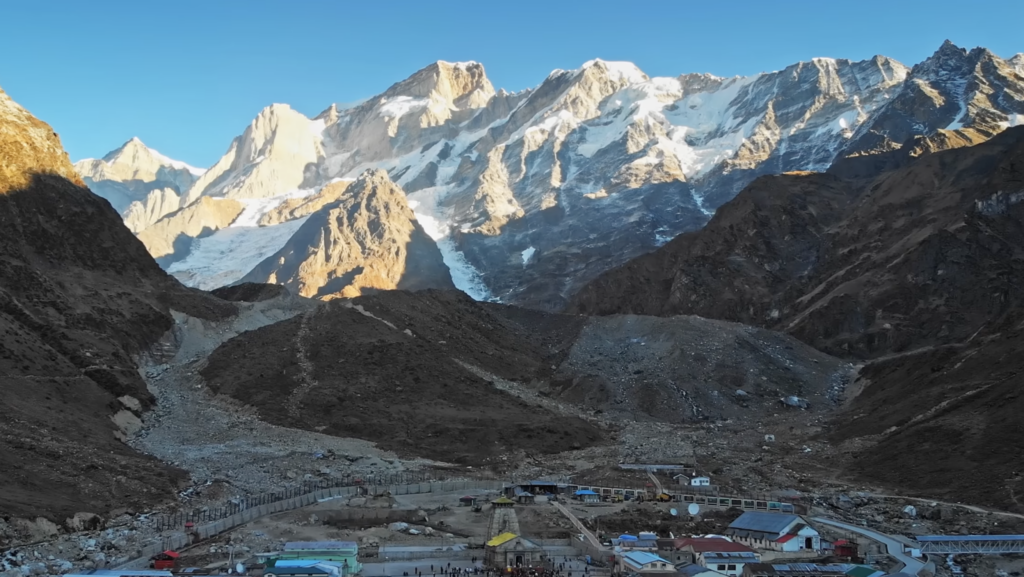
Flash floods are among the deadliest types of flooding. They can happen for many reasons, including hurricanes, powerful storms, dam failures, overflowing rivers, and ground that cannot absorb water quickly enough. The biggest problem is how fast they develop, sometimes leaving people with very little time to react.
So, can you anticipate a flash flood? What should you do if you suddenly find yourself caught in the water? And what dangers could be hiding beneath the surface?
If you’re planning a trip to a national park or another natural area, find out whether flash floods are a risk before you go. Knowing the local conditions can be extremely important, especially in canyons, valleys, and other places where water can become trapped.
A tragic example happened in Arizona when a group of tourists entered Antelope Canyon on what appeared to be a sunny day. A storm had formed about 15 miles (24 km) away, but its water eventually rushed into the canyon. The tourists tried to escape, but the flood arrived so quickly that all 11 were killed. Their guide, Pancho Quintana, was the only survivor.
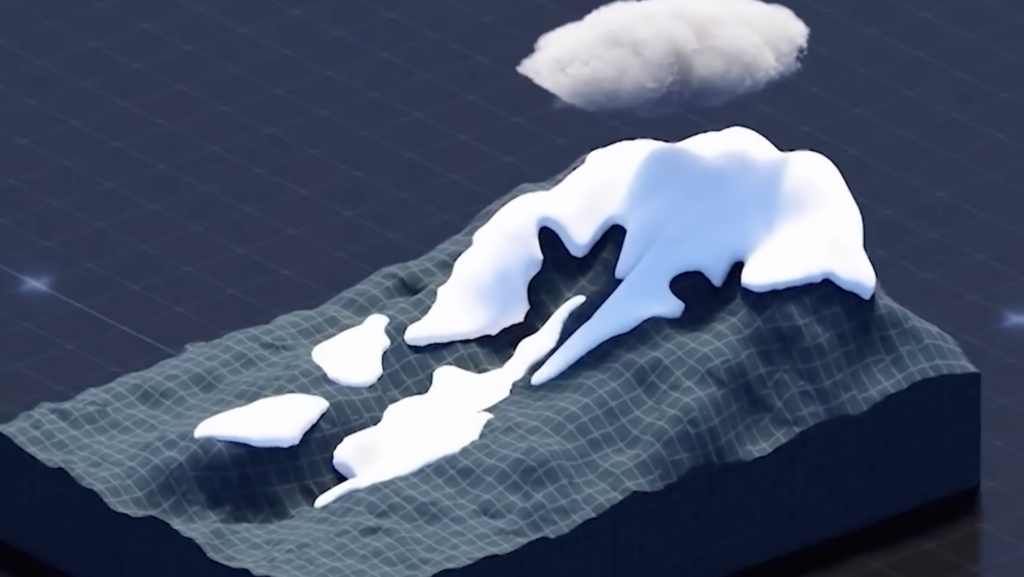
If a flash flood catches you, try not to let the current carry you away. The water can contain rocks, branches, vehicles, and other debris capable of causing serious injuries.
Quintana survived by reaching a ledge and holding on while the powerful water moved through the canyon. His clothes were torn away by the force of the flood, but finding something sturdy to grab onto gave him a chance to survive. If possible, get behind something solid or wedge yourself into a safe position where the current cannot easily pull you away.
If there is nothing you can safely hold onto, look for something that can help you stay afloat. A floating object could give you a better chance of keeping your head above the water until the current becomes weaker or you reach a safer location.
One remarkable example came from India, where a catastrophic dam failure caused a massive flood in the city of Morbi. Estimates suggest that as many as 25,000 people may have died. Among those who survived was a woman who was paralyzed from the waist down. She managed to climb onto a washbasin and use it to stay afloat as the water carried her away.
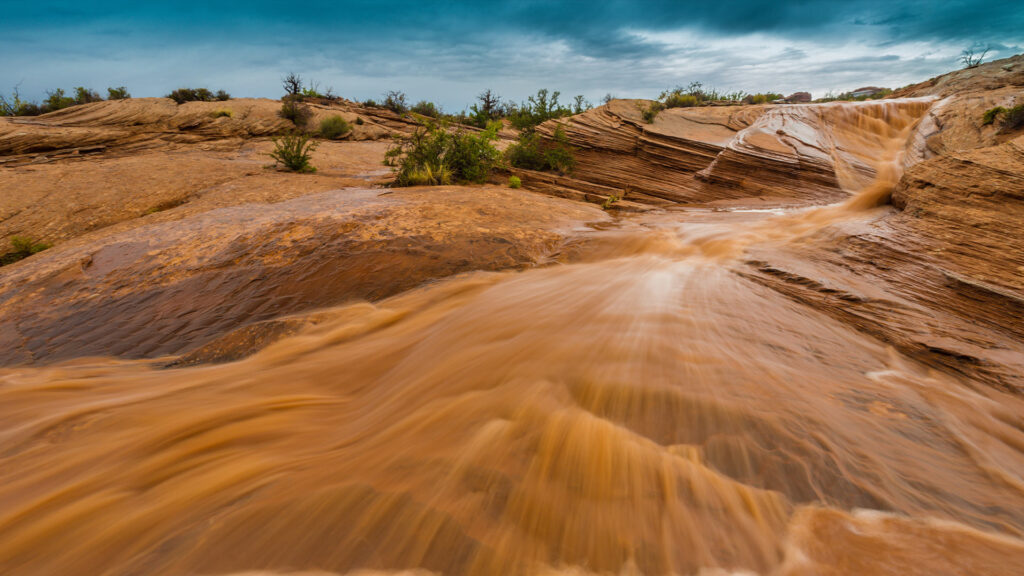
Another important thing is to avoid facing the flood alone whenever possible. In 1972, devastating thunderstorms caused a flash flood in Rapid City, South Dakota, killing 238 people.
Rita Rosales was seven months pregnant when she discovered that her mother was trapped in the floodwater. Rita went outside to help, but a huge surge of water knocked both women underwater. Rita eventually found her mother’s hair, grabbed her, and helped pull her to safety. The two were able to survive partly because they could help each other when the current pushed them against a wall.
Even when floodwater appears calm, it can still be extremely dangerous. You should never treat it like a swimming pool or assume that the worst is over.
Floodwater can contain bacteria such as E. coli and salmonella, viruses such as hepatitis A, and other hazards that can make people seriously ill. It can also carry debris, sharp objects, chemicals, and animals. During major floods in Ethiopia, for example, crocodiles and snakes made rescue operations even more dangerous.
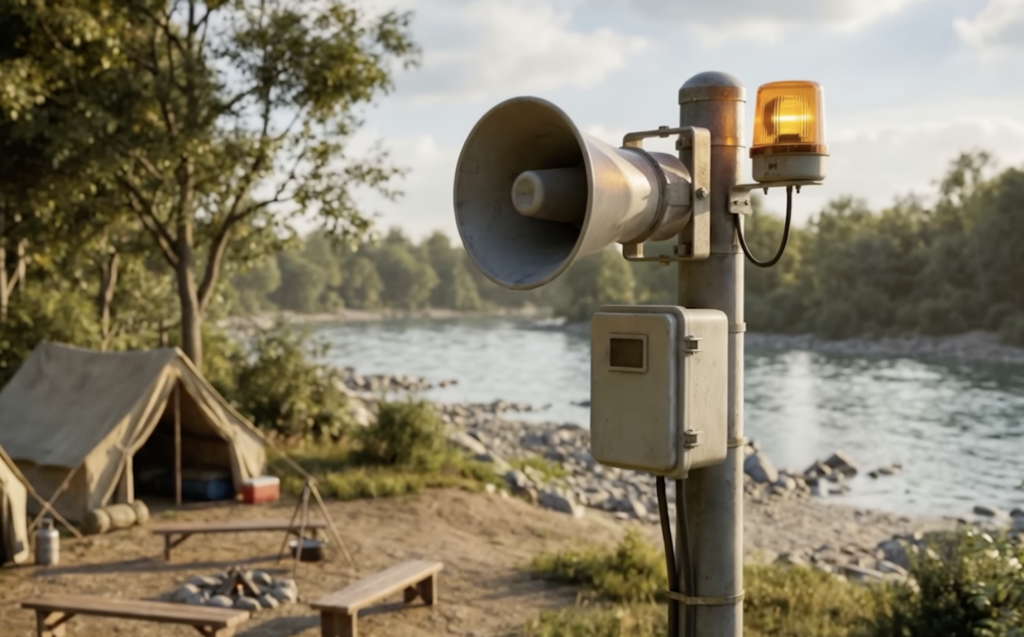
Surviving a flash flood is never guaranteed, but knowing the risks can give you a better chance. Pay attention to warnings, avoid low lying areas when flooding is possible, move toward higher ground, and never underestimate how quickly the water can change.
The devastation in Nepal shows how destructive these floods can become. When the water starts moving, every second matters, and the safest decision is usually to get away from the flood path before it is too late.